How I Got Here: Logan Thompson’s Journey to PR 

Image

Many career paths are unplanned. As specialists in insurance communications, we hear from insurance professionals all the time who found their way to their professions through unplanned or unexpected means. The same can be true of public relations. Whether it’s journalism, marketing or human resources—the PR field is uniquely suited to diverse backgrounds. That is why we are sharing this blog series breaking down how our team members came to find their current PR roles. For any new grads trying to figure out what they want to do, or even established professionals looking to make a change, we hope this series can shed some light on the PR field.  

What did you go to school for? 

Communications with a concentration in PR. It took me three semesters to decide on my major, but I always loved writing, so communications seemed like a natural fit.  

What did you envision your job would be?  

Just like when choosing my major, I was undecided. I thought about working for a non-profit, going into government PR or working a beauty brand. Ultimately, working at an agency, with a natural range of client types, allows me to do a little bit of everything I always hoped I might do in this field.  

What was your first job out of college?  

After college I ran an Instagram page selling second-hand clothes from my parents’ house! I also waitressed on the side. My first real job was working at a PR agency specializing in real estate and beauty PR. I worked with a variety of B2B and B2C clients, including residential builders, property management companies, a haircare line and a hand sanitizer brand.  

How did you end up in your current role? 

After being laid off in early 2025, I worked in email marketing for a few months before ultimately recognizing that PR was my true calling. After that, I set out to find another job at a PR agency and came across Kimball Hughes PR on LinkedIn. I was unsure about working in insurance at first. However, now I enjoy it a lot and have been able to learn about a lot of interesting industries through the lens of insurance, including commercial property construction and beauty.  

What has surprised you most about your career or yourself given your current role? 

When I started in PR, I thought working for glamorous industries, like beauty or celebrity PR would be what I enjoyed the most. After having the opportunity to work in those fields and now being in the insurance industry, I’ve been surprised I enjoy working with seemingly less-glamorous industries more. It’s been interesting to push myself outside of my comfort zone and learn about industries I probably never would have had the chance to before.  

What have you learned from your career journey? 

Having confidence in yourself and not being afraid to fail is vital to growing professionally. Sometimes I have had to follow the fake-it-til-you-make-it mindset, but having the courage to go outside of my comfort zone and make mistakes is what has allowed me to grow and add to my knowledge base.  

What lesson or myth-busting idea would you want to share with someone thinking about a career in public relations? 

For someone thinking about a career in public relations, I recommend starting out at an agency. Doing so provides exposure to a range of client types and industries you cannot get working for a single brand or going in-house. Agency life moves at a fast pace. It forces you to multi-task and move from industry to industry all in the course of a single day. This career path allows you to find the types of accounts you enjoy (and don’t enjoy) and flex your skills across accounts with different needs.  
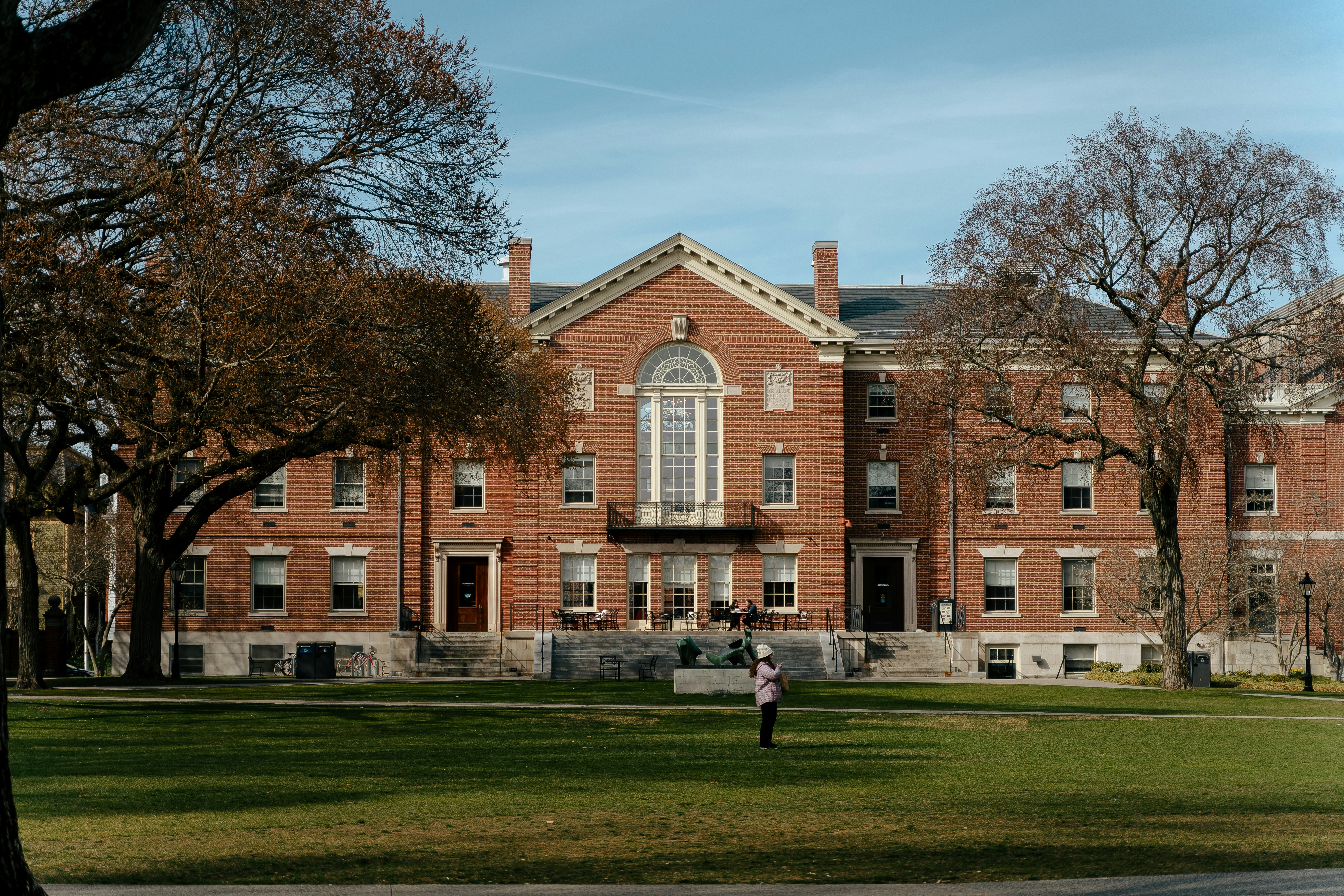
Hard Crisis Communications Lessons in the Wake of the Brown University Shooting 

When a mass shooting occurred at Brown University on Dec. 13, 2025, the institution faced an immediate test of leadership in a crisis that went beyond basic security protocols. What unfolded revealed critical gaps between institutional readiness and real-time execution, which presents lessons for all organizations. 

The clearest failure came six hours after the spree shooting ended. At a press briefing, University President Christina Paxson was asked by NBC 10 WJAR’s Dan Jaehnig what students had been doing in the lecture hall when the shooting occurred. Her response was, “I do not know.” Twice. On camera. 

This type of response highlights what many organizations face when leaders respond publicly without an established communication strategy: ambiguity and lack of situational leadership. Brown University’s early messaging also missed opportunities in two other areas that offer lessons in leadership and communications during a crisis. All of this can create a lack of confidence among the University’s stakeholders that can have long-term, negative consequences for all involved. 

Establish Incident Command Authority 

In the first 30 to 90 minutes of any crisis, your communications must reflect a clear, single point of accountability. In this instance, students, faculty, parents, alumni, employees and area residents needed to know who was in charge and what was being done to protect those in the university’s charge. While early messaging addressed grief and institutional solidarity, it lacked clear messaging regarding operational direction from leadership. In the hours that followed, the university’s leaders were vague regarding what conditions would end the lockdown, how safety assessments were progressing and what would prompt an all-clear on campus. This lack of clarity can foster additional fear and concern among those directly impacted, as well as their loved ones and the surrounding community. 

Your opening message, even in the chaos of an active shooter event, must name the incident command structure explicitly. Example: “In the wake of this unspeakable act, our President and Chief of Campus Safety are operating in unified command with Providence Police and the FBI. While we mourn those lost, we are determined to seek justice. As such, we will be updating our community every 60 minutes as new information becomes available and is verified. Our goal is to provide fact-based information only for the benefit of all concerned while doing all we can to support those affected by this tragedy.”  

Separate Operational Updates from Emotional Messaging 

The two statements released to alumni and students were appropriate in tone but lacked operational details. A well-rounded crisis response provides two distinct communication streams operating simultaneously. 

One stream delivers operational facts. For example, where the shelter-in-place order is in effect, what areas have been cleared, what clearing of campus areas looks like for students and authorities, how students, faculty, and staff can access mental health resources and what time the campus command will release its next update. These messages must be frequent (approximately every 60 minutes at minimum), no more than a few sentences and tied to undeniable conditions. 

A separate comms stream covers the human element. This should explicitly describe the organization’s commitment to safety, acknowledgment of trauma and solidarity with affected families and the wider community. Here, leadership’s role is essential, but only after the operational picture is secured and clearly communicated through established and secure channels.  

Announce A Third-Party Review and Security Assessment Immediately 

Brown University’s most effective move came on Dec. 23. The school announced it would conduct two external After-Action reviews and a security assessment of the campus, both of which will be overseen by a committee of the Corporation of Brown University, the university’s highest governing body. It should not have taken 10 days to publicly communicate such action. The university could have communicated its intention to pursue the After-Action reviews and a security assessment within 48 hours of the all-clear announcement from authorities, with the operational particulars of these actions sorted and announced later. Parents and university employees want to know what will be done to protect them, and they should not need to wait 10 days to learn what, if any, actions will be taken. 

When you announce an external assessment in the wake of a crisis, you signal intentional transparency to demonstrate your institution takes accountability seriously. As communications professionals, we know delays only invite speculation, especially in today’s fast-paced news cycle where social media and online channels fill the void with endless commentary. 

College and other institutional leaders should view the December tragedy at Brown University as a reminder that crisis communications are fundamentally about command, clarity, reassurance and follow-through. When “I don’t know” is the response from leadership in the immediate aftermath of any incident involving the loss of life, confidence is lost and doubt becomes pervasive. A solid crisis communications plan can help ensure your organization can shape the narrative rather than be defined by it.