The Rise of the LinkedIn Newsletter: Are Blogs Old News?

Since the early days of digital marketing, company blogs have been trusted tools for brands to share their expertise and connect with audiences, while maintaining control of the narrative. Blogs were a breakthrough in the late 90s and early 2000s, allowing brands to speak directly to engaged audiences. But as social media began to change how people discovered and consumed content, many company website blogs became an echo chamber of regularly published content, with little engagement or interaction.  

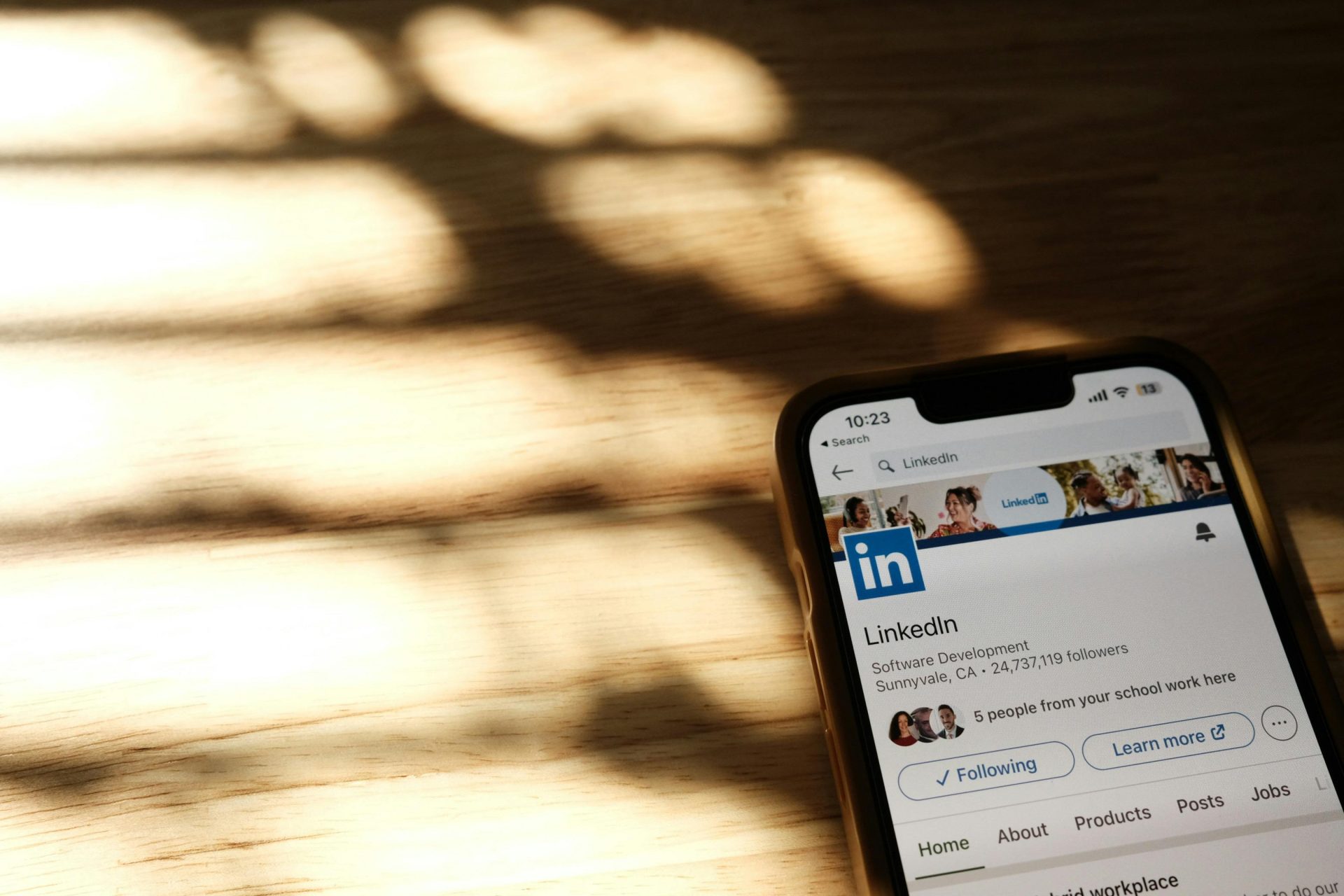
Enter LinkedIn Newsletters. The feature offers brands a direct line to their professional networks and a notification-system, as well as analytics to direct content refining efforts. Brands that are truly taking advantage of LinkedIn Newsletters will see the pivotal role they can play in strengthening their brand voice and credibility, while expanding their digital footprints. And while LinkedIn Newsletters are not a fool-proof replacement for traditional website blogs, they could be a great addition to a brand’s digital marketing strategy.  

What’s the hype?  

A well-maintained company blog still holds value, especially when it comes to search engine optimization (SEO). In reality, it’s a different type of content from a LinkedIn Newsletter. Blogs are owned content, whereas a newsletter published on LinkedIn is shared content. While there is some overlap between the two, a brand has less control over how shared content is distributed through LinkedIn’s algorithm beyond the newsletter’s subscribers. With both however, brands control the message they are putting out into the world.   

With a LinkedIn Newsletter, subscribers get a notification when a new edition is published, both in-app and via email if they opt-in to that feature. Because subscribers have to actively opt in, they are more likely to read and interact with the content, much like a traditional blog. Brands will also be prompted to create a LinkedIn post with each new edition, expanding the potential reach of the newsletter beyond subscribers. While similar to LinkedIn’s article feature, newsletters allow brands to cultivate a community of subscribers who will interact with others and share the brands insights.  

Lead with Value  

Before marketing and communications teams rush to transfer their existing, evergreen blog content to LinkedIn, remember that content fatigue can be a considerable deterrent. Audiences want a comfortable cadence of content that delivers clear, useful insights. A LinkedIn Newsletter needs to read less like a company update and more like a resource. That means understanding your audience’s needs, speaking to them directly and offering perspective over promotion. But most importantly, the writing needs to read like it came from the mind of a human:  

  • Repurpose with caution: It is not necessarily beneficial to share all the content a company has posted on their website blog on a LinkedIn Newsletter. A press release announcing a new report, for example, may not offer a brand’s LinkedIn audience much value. But an article about an aspect of the report and expanding on a few key points could be valuable.  
  • Perspective over promotion: LinkedIn newsletters are not the place to be promotional and sell products. While a sales-focused call to action can be an aspect of a LinkedIn article, the key focus should be providing expertise and tangible insight. Brands that stay up to date on what matters to their audiences and challenges they are facing will have a better chance of attracting regular readers.  
  • AI is not a writer: Generative artificial intelligence (AI) tools like Microsoft Co-Pilot or OpenAI’s Chat GPT can help with brainstorming and organizing a writer’s thoughts, but an effective newsletter still requires a content writer who understands the brand’s goals, their audience and the nuances of the subject matter. An effective writer will offer a final product that personifies a brand and showcases it as a resource an audience can trust. AI written content should always be fact-checked and writers should ensure any use of AI does not supersede proper editing and review processes to ensure human tone and accuracy.

Don’t Forget the Metrics  

LinkedIn shares several metrics around newsletters to help brands refine and improve the content they share. From email sends and open rates to article views and engagement numbers, LinkedIn offers a number of in-platform data points to signal what’s working and what’s not. To name a few:  

  • Email sends indicate how many subscribers opted into an email notification of the newsletter.  
  • Email open rate is a percentage of the email sends that were opened by users. 
  • Article views show the number of times users viewed the newsletter.  
  • Engagement rates report the percentage of interactions on a newsletter compared to the impressions.  

With the above data and more that LinkedIn shares, brands can begin testing new strategies for their newsletters like adjusting frequency, sharing new formats or approaching new, timely themes. The beauty of digital content is its flexibility and LinkedIn Newsletters give brands the time and space to experiment. 

Digital content is only as valuable as the connections it offers brands. LinkedIn Newsletters provide a way to build off a brand’s existing audience on the platform, offer real value and cultivate more meaningful connections.  

Hello Procrastinators: A Look at REAL ID Chaos and Communications

Whether it’s evidenced by crowds at retailers on Christmas Eve or the onslaught of extension requests sent to the Internal Revenue Service on April 15 each year, it appears America has its fair share of procrastinators. And the current chaos around the U.S. government’s REAL ID deadline only further proves that is another case in point. While there is no surefire way to win over the most stubborn procrastinators, a thoughtful communications campaign to raise awareness is a good place to start.  

A Real Problem 

The deadline—which had been moved numerous times previously— to obtain a REAL ID is May 7, 2025. The REAL ID initiative stems from a recommendation from the 9/11 Commission to establish more universal standards for identification cards and drivers’ licenses to increase security and reduce fraud. After May 7, the REAL ID will be required for Americans to board commercial aircraft, enter certain federal facilities or enter nuclear power plants. 

While the REAL ID initiative has been in play for 20 years, the “real” deadline seems to have come as a surprise for some. CBS News just reported that for people polled in a set of 30 states, fewer than 70% of residents who meet the requirements have a REAL ID. They also found, in 17 other states, fewer than 50% of the eligible population had obtained a REAL ID. 

With just several days until the deadline, Americans are scrambling, worried they will have difficulty boarding flights while airports are readying their teams for long lines and frustrated travelers. But is all of this confusion and delay due to a lack of communication?  

Communicating REAL ID 

The U.S. Department of Homeland Security seemed to understand the assignment. They knew getting Americans educated about the REAL ID requirement and encouraging them to act might be a heavy lift. They also recognized a good public awareness campaign embracing a flurry of marketing and PR initiatives would be key.  

The department launched its “Be your REAL ID self” campaign in January 2021 with digital toolkits for government agencies and industry partners to share communications and marketing materials on their websites and social media, as well as through direct mail and on-site signage. And while Homeland Security had its own communications initiatives, individual states went out to try to stave off delays and discord as the deadline neared. For example, last June, Oregon’s Department of Transportation posted it was in search of a firm to launch an advertising and marketing campaign with a $500k budget to help raise awareness ahead of the transition.   

As to public relations specifically, when I asked ChatGPT how many news articles had been written about REAL ID, it said, “​While there isn’t a precise count of all news articles written about REAL ID, it’s clear that the topic has garnered extensive media coverage since the REAL ID Act was enacted in 2005.” Coverage was found in NPR, The Washington Post, CBS News, ABC News, The Associated Press and more. With significant media coverage and a multi-faceted marketing campaign, the public likely knew about the REAL ID deadline; If they failed to act on the information or are simply procrastinating, perhaps that is on them.  

Regardless of whether you see the REAL ID roll out as a communications success or failure, it’s important to understand the elements of a good public awareness campaign.  

  • Understand your goal and your audience: The shifting of deadlines in years past likely complicated the government’s efforts to achieve the goal of getting Americans to meet the May 7th deadline. A good campaign will have a clear achievable goal to raise awareness, draw people to a website, attract sales, etc. 
  • Encourage idea sharing between PR and marketing: In a complex campaign like this, the marketing and PR teams were likely talking to one another. Too often, the teams are expected to work in a vacuum. This can lead to missed opportunities, doubled efforts and conflict. 
  • Develop clear and consistent messaging: Clear consistent messaging is critical because no matter how often someone hears a message, procrastinators will delay. The message should be clear – in this case, explaining what needs to be done, why and when. 
  • Conduct proactive, persistent and regular outreach: A PR team should be regularly talking to media on your behalf. Reporters tend to stay away from promotional material, but any time you can tie your initiatives to a timely event or trend, you are more likely to gain a reporter’s attention. 
  • Leverage social media: Along the lines of the value of repeated messaging above, be sure to leverage social media. Share updates and links to news coverage, consider surveys and more to build engagement. 
  • Engage ambassadors: The REAL ID team wisely tried to tap into industry partners and government offices for support. Trusted members of the community or people with whom your audience is in regular contact can be valuable resources in sharing your key messages and getting audiences to act. 

Despite delays and extensions in recent years, it seems the May 7th deadline for the REAL ID may be … real. While considerable efforts were made to ensure the public was ready, many remain unprepared for the transition. Those who are prepared likely acted on some part of the communication campaign. Those who have not likely heard the call but chose to put it off until tomorrow. 

What to Expect from a PR Agency As the Pitching Pool Grows Shallower  

Journalists are outnumbered. As the public relations industry has welcomed more communicators into the field, news outlets nationwide have faced massive layoffs that have vastly reduced the number of reporters and editors.  

Between 2023 and 2033, the public relations industry workforce is expected to grow by 6%, according to the U.S. Bureau of Labor Statistics. There are now more than seven public relations professionals for every journalist and with some reporters receiving over 100 emails a day, finding a way to grab and keep their attention is critical for any pitching effort.  

It’s tough breaking through an already congested news cycle without the uneven personnel ratio making competition for attention even more difficult. This growing ratio should impact your vetting process when considering your next communications firm or in evaluating the effectiveness of your current agency.  

Consider the following questions when evaluating a PR partner or prospective partner:  

  • Do They Do their Homework? Relevance is the name of the game. Before any good media relations pro jumps into writing, they make sure the topic is relevant to the interests of an outlet’s readership and personalize the pitch to target the reporter’s specific beat. If a reporter sees a pattern of irrelevant pitches coming from your company, they will be quick to ignore outreach from your PR team, and potentially your company, in the future. 
  • Do They Know How to Tell a Story that Matters to Your Audience? Every pitch entering a journalist’s inbox needs to be concise, clear, compelling, nonpromotional and ideally speak to an industry trend or hot topic. Context is important, but the goal is to offer proof points about meeting the needs and interest of the audience not promoting the company or brand.  Working with an agency staffed with former journalists can help. 
  • Do They Work with Urgency? No one likes having their time wasted, especially a journalist on a deadline. You need a PR firm to position you as a ready resource for a reporter, not as unreliable or unprepared.  
  • Can They Build Relationships? If a pitch is compelling enough to break through the static and engage an editor or reporter, a good media relations pro should use it as an opportunity for relationship-building. If a journalist recognizes your company’s subject matter experts as reliable and relevant to their audience, it can open the door to future opportunities. After all, it’s about what you know in today’s media environment, not who you know. That said, rapport is still important. Your PR rep should be proactively identifying reporters relevant to your industry, talking to them with regularity to understand what they are working on, as well as offering introductory meetings to ensure your subject matter experts are on their radar for future stories.  

Public relations pros cannot change the media landscape, but the good ones are adapting by taking the time to understand the current state of journalism and recalibrating where needed. Business owners and leaders will want to make sure they are working with PR partners who get it. 

It’s called earned media for a reason, and while there is never a guarantee for coverage, these tips could help you find the agency that can make your company’s engagement with journalists stand out among a sea of mundane, irrelevant, promotional or just plain old uninteresting pitches.  

Houston, We Have a Problem: A Female First Campaign Lost in Space

Pop star Katy Perry, news anchor Gayle King and four other high-profile women launched into space this week with high hopes of inspiring a swell of female empowerment. But, the Blue Origin 11-minute flight—carrying six glamorous women in full make up, donning matching blue, fitted spacesuits —did not resonate with the public as intended. Instead, it launched a chorus of criticism by celebrities and others who bashed the event as tone deaf and an empty show of feminism.

So, what went wrong? How did this “one giant stunt for womankind,” as a critic from The New York Times called it, go wrong and how might a different comms approach have produced a more positive outcome?

Exploring the Issue

The flight was part of the New Shepard program at Blue Origin, founded by billionaire Jeff Bezos. In announcing the flight, the women described the trip as an endeavor to encourage STEM careers and female empowerment, according to interviews with Elle.

The rocket, which pilots itself, carried Perry and King, as well as aerospace engineer Aisha Bowe, civil rights activist Amanda Nguyen, film producer Kerianne Flynn, and Lauren Sanchez, a journalist and Bezos’s fiancée. Even though the women were not space professionals, the Blue Origin team labeled the group as the rocket’s “astronaut crew.”  Blue Origin described them as storytellers who inspire others —as advocates for students in STEM (Science Technology, Engineering and Mathematics), civil rights, philanthropy, overcoming adversity and more.

While the trip may have been designed to encourage girls to consider STEM careers, the women aboard were seen as space tourists. They were not operating the rocket or fulfilling any astronaut responsibilities and left audiences reaching to connect them with STEM.

Upping Their Game

Could the right communications approach have changed the outcome here? Maybe. However, we do see a few areas where Blue Origin could have better executed this mission.

  • Authenticity in messaging: Blue Origin thought they were planning a mission to inspire young girls and women to explore new careers, but the wealthy, well-connected women selected to participate did not relate well to audiences. Brands need to ensure their messaging is authentic, compelling and connects to their audiences. The public watching and reading about the launch are not millionaires or billionaires who can afford the undisclosed ticket price. Audiences might have better received a passenger manifesto made up of successful women in STEM, rather than celebrities and journalists.
  • The brand’s reputation: Amazon, also founded by Bezos, has a reputation for disregarding the environment with its packaging and fleet of delivery vehicles in constant motion across the globe. While Blue Origin claims to be sustainably minded using reusable rockets and researching ways to encourage sustainability through space exploration, many viewed the rocket launch as damaging to the environment, as well as a waste of resources when many are experiencing financial hardship. Blue Origin may have been better served by hosting more female scientists like Bowe on the mission, conducting research to further sustainability, and creating messaging to show how those initiatives might connect to the brand.
  • Optics: Full-makeup, perfect blow-outs and designer matching spacesuits set a new tone for space exploration. Blue Origin’s comms team should have considered the optics of the women posing in slinky suits with professional makeup and hair. The comms team should have considered suggesting attire that looked less Hollywood and more professional rather than monied glamour.
  • Leveraging post-event energy: After the women returned to Earth and interviews were conducted, audiences were left feeling flat. Perhaps a post-event press conference with the women talking about the next steps for advancements in STEM for females, for which this mission has opened doors, would have conveyed a real commitment, garnered more attention and furthered a goal of female empowerment.

While the launch gained plenty of media attention, the resulting backlash has not benefited Blue Origin or the six women who chose to board the rocket. When considering a media stunt or event, be sure to think strategically. Not doing so could leave your brand identity lost in space.

Get to Know Senior Advisor John Forberger

Public relations is all about relationships—the people behind the stories. That’s why we’re offering this blog series all about our team members. This isn’t about our professional accomplishments but who we are as people. We hope you have as much fun reading along as we do interviewing each other.

What got you interested in public relations?

    In the early 2000s, I led marketing teams for multiple Miami real estate developers. One role involved maintaining a steady media presence in targeted local and national outlets, highlighting our projects and CEO to attract buyers and landowners. I recognized that getting media attention on topics I was passionate about, for equally passionate people, never felt like work. Throughout my career, my favorite part of public relations has been identifying and shaping the messaging that brings companies, product lines or projects to life.

    Tell us about your favorite movie and what appeals most to you about it?

    During film school, in a galaxy far, far away, I saw Citizen Kane. Every frame and angle mesmerized me, maybe because they were still so atypical. It doesn’t look like anything else. I wonder if the care for filmmaking at that level of detail can still be possible? I like to think there is someone out there who can and is trying to do better right now. The determination to make a strong statement in cinematic history really moves me.

    Tell us about a meaningful hobby or “outside of work” commitment that is important to you?

    Maintaining the plants on the property my wife and I share is a healthy, busy hobby I look forward to. I see myself as being loyal to the plants and animals around us. In total silence, I learn something each time I go outside whether on my own or through Google Lens. The simple experience of watching pineapples change colors from green to blue to purple to gold to brown, for example, is incredible. Feeling useful to our mini ecosystem by doing things like removing invasive vines and plants is rewarding, and the bonus of all the positive health benefits that come with gardening is great!

    Share a fun fact about you.

    My wife and I have driven across nearly every Canadian province with our 17.5-year-old “super senior” beagle mix Abby. She even joined us on the ferry to Vancouver Island when we lived in downtown Victoria for a month.

    Play Ball! Grand Opening Tips Inspired by Major League Baseball’s Opening Day

    Coined by many as the “official start of spring,” millions of people around the U.S. look forward to Major League Baseball’s (MLB) Opening Day every year. Whether fans are attending games in person, watching live on television or from their mobile devices, the start of MLB continues to draw national attention year after year.

    While local businesses do not have the MLB’s platform or budget, business owners can draw inspiration from Opening Day to maximize their grand opening events. When done correctly, a grand opening can serve as a homerun for your business growth strategy. When approached as just another to-do among many, owners can miss a key opportunity to introduce their businesses to the community and generate excitement among potential customers. Just like the MLB’s Opening Day, a new business needs to give the public something to root for.

    Hitting it out of the park

    MLB’s Opening Day stirs up excitement among fans and provides an opportunity to showcase new rosters and skills. Grand openings can give new businesses a chance to call on future fans to consider their goods or services while shining stadium-style bright lights on the business itself. To make the most of a grand opening, business leaders should plan effectively, tap into the local community and engage the media with a meaningful story.

    • Have an impactful plan: To draw in the community, business owners need to host an attention-worthy event. While they could simply open the doors and hope for the masses to come walking in, the results would likely be disappointing. When planning an event, business owners should consider their clientele, what might motivate them to visit and how they can engage them once they have arrived. Food and refreshments, partnering with local vendors, coordinating donations to local charities, selling raffles or providing activities for children are great places to start. Details should be highlighted in all marketing efforts. 
    • Tap into the community: Community involvement is a crucial asset in the process of opening a business. From collecting insights from fellow business owners, to building a repeat customer base, community support is irreplaceable. Business owners should consider inviting local dignitaries, business connections and key community members in the area to the grand opening. It is important to have enough lead time to send out invitations, secure a spot on community calendars and promote the event. Social media groups and community bulletins can also be effective tools in getting the word out.
    • Engage the media: When trying to promote a grand opening, there is no substitute for media coverage. Print and broadcast exposure can reach a much broader audience than a business owner might on their own. While advertising with local media is an option, earned media provides valuable visibility without added costs. The key, however, is to identify what makes a particular grand opening, or business in the area special or newsworthy. The opening alone may not rise to the level of newsworthiness in some communities.

    When we look to the MLB, we see they are selling more than the story of baseball on Opening Day; they are tapping into the emotional side of their fan bases. For example, after a disappointing 2022 season, the Texas Rangers made a triumphant return in 2023, winning their Opening Day series and later securing a World Series championship. Similarly, business owners should offer a story to the media about their business that connects with the community beyond simply telling the public there is a grand opening event happening.  

    A successful grand opening can position a new business for consistent growth, whereas a disappointing one can leave owners struggling to build momentum. A public relations agency or local freelance PR specialist could be a great resource to help effectively promote a grand opening, conduct media and community outreach and brainstorm ideas that might resonate with the public.

    Just as baseball fans look forward to MLB’s Opening Day each year, a business’s grand opening should be an event that speaks to the business’ potential fan base. MLB’s Opening Day is something that is carefully planned and considered by all involved. A business’ grand opening deserves no less attention.

    Brand Authenticity Requires Communicators to Play Lead Roles

    While brands have a voice in shaping their narratives, it is their publics who play an outsized role in holding organizations to their brand promise and reputation.

    One of the best time-tested methods of ensuring adherence to brand authenticity is having a public relations or communications professional at the decision-making table from the start. Failing to do so runs the risk of self-inflicted reputational harm that is extremely difficult, and often expensive to dial back later.

    In brands we trust

    B2C as well as B2B consumers have vast resources to evaluate brands and a wealth of options from which to choose. Brands that consistently speak to the values and priorities of their consumers engender trust and an emotional connection. According to April 2024 data released from Shopify, 86% of American consumers say authenticity is a key reason they buy or engage with a brand.

    Whether it is Red Bull, GE or Salesforce, these companies and others are great examples of organizations that use engaging storytelling, emotionally targeted messaging and brand authenticity to reach and connect with their audiences. We know Red Bull gives you wings. We know GE is focused on imagination at work, and that Salesforce positions you to manage success, not software. Their messaging goes beyond taglines, and their stories resonate with their publics because they meet a need.

    What Ben Franklin said

    Ben Franklin famously quipped, “It takes many good deeds to build a good reputation, and only one bad one to lose it.” There are countless brands that illustrate Franklin’s point.

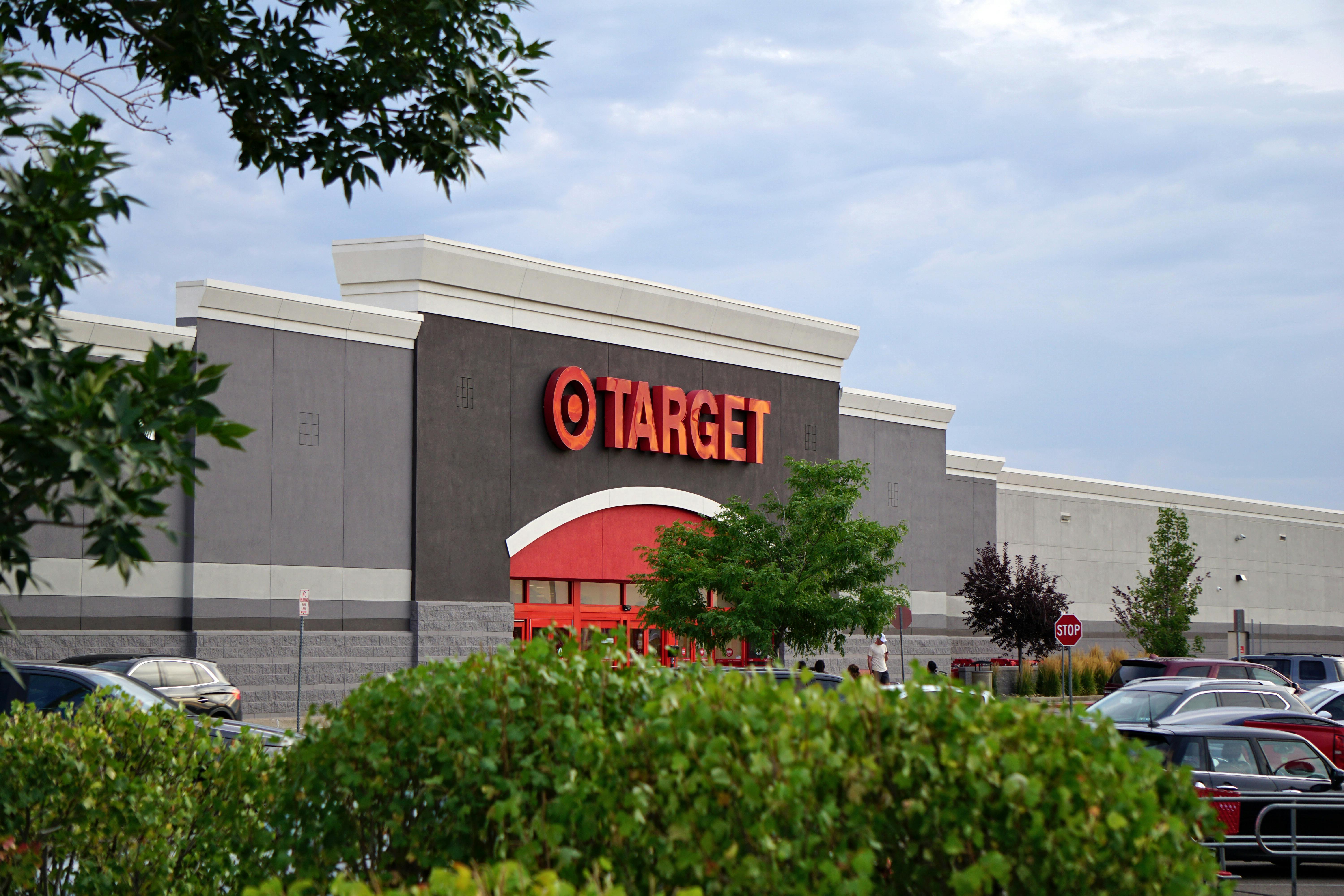
    The example set by Target regarding its shifting DEI policies has put … well, a target on the Target brand with calls for boycotts and declining sales. Such inconsistent messaging causes brand audiences to reconsider the authenticity and trustworthiness of the organizations at issue. Consumers aren’t sure what, if anything, the brand stands for and repairing that damage will be a long and expensive undertaking.

    On the B2B side, there is no more powerful example of reputational damage due to a lack of authenticity—as well as transparency—as WeWork. The company promoted a utopia-style revolution in how workspaces would evolve while leveling the playing field for entrepreneurs to work collaboratively. In reality, the company infamously misled everyone regarding its spending, profitability and stability, leading to a loss of trust among investors and business clients that ultimately led to the founder being ousted and a Chapter 11 filing in 2023.

    The power of communications strategy

    A chief communications officer with a seat at the leadership table can help organizations adhere to brand authenticity. These professionals are trained to assess the communications risks of any given action by an organization that plays out in front of its publics—internal or external. They help brands avoid unforced errors and plan for a range of responses from their target audiences.

    Having that comms professional in the room from the start of major brand decisions can lead to important conversations and questions filtered through a public perception lens, such as:

    • How does this align with the public’s understanding of who we are and what we do?
    • What risks are we taking with this change, and what can we do to mitigate them?
    • Does this change align with our core values?
    • How should we communicate this change clearly to our audiences, and what are the best channels to do so?
    • What is the plan to measure the impact of this change on our brand reputation and perception?
    • What is the backup plan if this change is not well received, and what is the trigger to institute that plan?

    Brand leaders are best served when their PR teams challenge group think and work to consider the reaction to organizational change among various audiences. This approach can strengthen and even improve the proposed changes, better aligning them with the brand’s reputation and perception and lead to a smoother introduction to its publics. However, making change better and more sustainable only happens if the communicators are in the room where decisions are made from the beginning. That is how you maintain brand authenticity, and it matters.

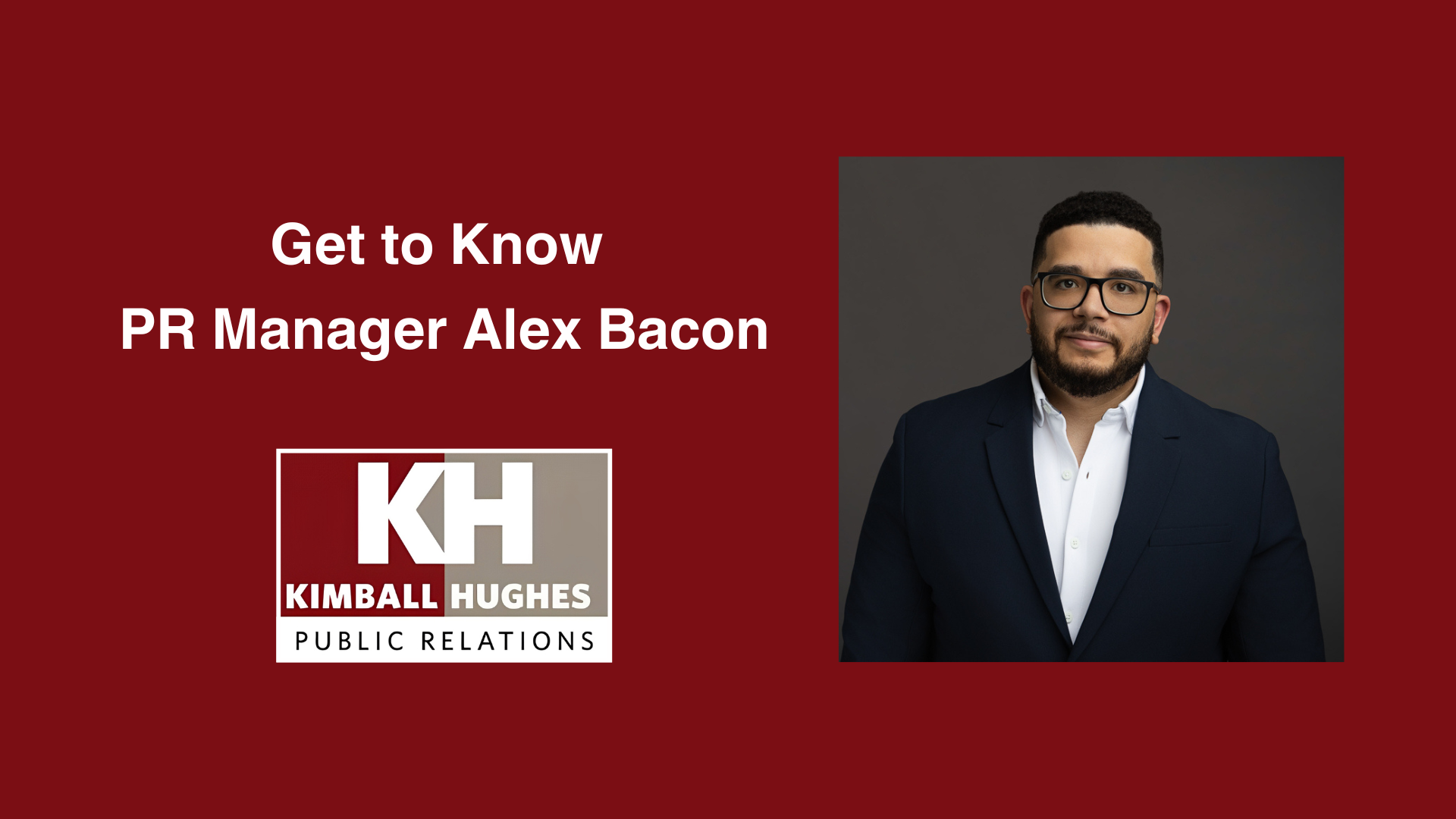
    Get to Know PR Manager Alex Bacon

    Public relations is all about relationships—the people behind the stories. That’s why we’re offering this blog series all about our team members. This isn’t about our professional accomplishments but who we are as people. We hope you have as much fun reading along as we do interviewing each other.

    What got you interested in public relations?

    I have always had a strong interest in writing and storytelling. I remember taking paper from my parents’ printer so I could write my own books. But it wasn’t until college when someone told me I should try pursuing a career in communications. I did, and didn’t look back. The idea of helping people and businesses tell their stories or showcase their expertise to the right audiences is one that appealed to me immediately. This career choice was the right one.

    Tell us about your favorite movie and what appeals most to you about it?

    I’m a big fan of space and sci-fi movies, and there are a lot of good ones, but Interstellar stands out as my favorite. It’s a masterpiece – from the stunning visuals to the narrative and storytelling about family and sacrifice. I also appreciate how the movie is grounded in scientific reality, exploring things like time dilation (i.e. Miller’s Planet) and black holes in a way that few movies do.

    It’s rare to watch a movie that captures the vast emptiness of space and the emotional weight of the choices we make, and Interstellar does it well.

    What was the last, best book you read and what about it spoke to you?

    The Girl Dad Code by William Harding. Being a first-time parent is tough, being a parent to a daughter is nerve-wracking – especially in today’s world. Harding’s book really stuck with me because it offers practical and heartfelt advice on raising a strong, confident daughter. He also focuses on leading by example – being present, building trust and showing up every day.

    I find myself referring back to it every now and again as my daughter grows up, gathering new insights along the way. It’s becoming a great reminder that I don’t need all the answers; I just need to be there, listen and support her as she becomes the person she wants to be.

    Tell us about a meaningful hobby or “outside of work” commitment that is important to you?

    Weightlifting and fitness have been a huge part of my life. Both have taught me about resilience and discipline. The process of setting goals and staying consistent to meet them has had a meaningful impact on how I approach my professional work and everyday problem-solving. My commitment to my physical health gives me more energy and mental clarity, which helps me stay focused and think more creatively.

    5. Share a fun fact about you.

    I love to cook. I taught myself after I finished undergraduate school as a way to stay healthy and save a bit of money while looking for full-time work. To this day, I cook almost every meal – breakfast, lunch and dinner – and I have no intention of stopping anytime soon.

    AI: How to Avoid Becoming a Cautionary Tale

    AI will cure what ails you.

    That seems to be the mantra of the 2020s. If you have a problem, it appears the solution is to implement artificial intelligence. However, AI is not a cure-all. While AI can be an incredibly powerful tool, it isn’t perfect and there are cautionary tales to consider as countless organizations incorporate AI.

    Glitch in the System

    Any adult functioning in the digital world knows technology sometimes fails to live up to its promise. AI is not immune to being glitchy, especially when humans fall short in their quality control roles, many of which are still evolving along with the tech. There are countless AI snafu examples that include:

    • Less than two years ago, Reuters reported on a U.S. District Judge who sanctioned two New York attorneys when their ChatGPT-built brief included six fake case citations.
    • Last spring Google was pilloried by users and media alike when its then-new AI capabilities roll-out resulted in a cascade of false information—including telling users to eat glue and rocks.
    • And Fast Company produced a cringe-worthy list of brands last summer whose AI-driven marketing efforts ranged from total failure to deeply offensive, including household names like Toy “R” Us, McDonald’s and Sports Illustrated.

    Reliance Risk

    The risk of AI is becoming overly reliant on AI. Reliant on its promise. Reliant on its ease of application. Reliant on its accuracy.

    Large language models or LLMs—the engines that drive most generative AI tools—train on massive content libraries. As a result, AI is prone to repeating, in whole or part, both the words and style of some of the content on which its LLM trains. These AI tools aren’t designed to violate copyright laws. Rather, they are working with what they know, and what they know is existing, written—and often copyrighted—content. The intent is to mimic human creativity with enhanced, faster output. The risk, of course, is not only plagiarism, but also inaccuracies due to AI hallucinations as well as content that, frankly, often falls short of being truly creative or distinguishing.

    Both the quality and legality of AI generated content will be adjudicated in the court of public opinion, as well as courts of laws, for the foreseeable future. Meanwhile, humans are working to catch up. Plagiarism software is continually being stood-up and refined to catch the errant bot-writer. Publishers and others are setting policies for how they will handle contributed AI-generated content. And the legal industry is, most likely, viewing AI as the next asbestos as everyone considers its implications.  

    Practical Realities

    Learning to live with, and employ, AI is an evolving state. What business and nonprofit leaders must consider now regarding their use or incorporation of AI is this:

    • Brands and business leaders trying to position themselves as thought leaders will fail—possibly in very public ways—if they cede their expertise to the expedience and perceived accuracy of AI where content is concerned.
    • Leveraging AI as a starting point in the creative process can create efficiencies. Relying on AI to drive that process is simply lazy.
    • From courts to publishers as well as clients and consumers, much of the early AI-driven content we are seeing runs the gamut from being declared unacceptable to the merely unpalatable with limited exceptions.
    • Developing policies around how and where to apply AI in your organization is essential to avoid being left behind.
    • Closed AI—essentially a non-publicly accessible AI model—is the only practical approach to AI implementation for many businesses to protect sensitive company and/or client data.
    • A detailed dive into how and if your organization’s errors and omissions liability insurance addresses claims arising from your use of AI is most definitely warranted.
    • AI can be a remarkable improvement to one’s operational efficiency and even client engagement, but only if thoughtful guardrails are in place with humans overseeing the work and conducting frequent quality and accuracy checks.

    Without question, AI is and will continue to shape the future of business. Guiding that process with high ethical standards, transparency and rigorous human oversight is required if non- and for-profit organizations are to maintain the trust and confidence of those they serve.

    Keys to Boosting Brand Awareness in 2025: Embrace New Media

    While you contemplate adding extra protein and strength training to your weight loss plans for 2025, why not consider adding new media and video to your company’s communications strategies?

    A turn of the calendar to a new year presents an ideal opportunity to not only consider weight loss and exercise, but to evaluate business strategies as well – both successful and failed strategies. In public relations, as with many other industries, this new year refresh or reinvention beckons us to consider the latest trends and undertake new initiatives to continually boost brand awareness in the year ahead.

    This time of year is replete with industry experts offering outlooks on what we can expect in the year ahead. And while traditional PR tactics, like contributed articles to well-respected outlets continue to carry weight, we are increasingly seeing good PR pros encouraging industry pundits to take on new platforms or new features of existing platforms to share their views, including – LinkedIn Live, LinkedIn Newsletters, TikTok, and new X competitor Blue Sky, among others.

    Depending on the audience targeted, each platform can yield considerable results for company leaders who offer original, valuable and educational content. Leaders who want to boost their brand’s visibility in 2025 should consider the following new media:

    • LinkedIn Lives – In 2025, we will continue to see savvy thought leaders connect with their audiences through LinkedIn’s event-hosting platform LinkedIn Live. LinkedIn Lives are becoming increasingly popular for the platform’s ability to host live events with a casual feel – with one or multiple speakers, while engaging and interacting with the audience through a live chat function.

    The tool markets itself in many ways as the event can easily be promoted among LinkedIn followers of the company page or the individual hosting the event. Followers will receive notifications about the event, as well as when it goes live. Moreover, any form of video in social media tends to generate higher levels of engagement than written content alone.

    In the insurance space, digital marketing and transformation guru Ema Roloff has seen tremendous success with this resource, gathering roughly 1,600 registrations for an insurance predictions and trends event in late 2024. She hopes to do the same and more this year ahead of her Insurance Trends to Watch for 2025 event Dec. 17.

    • LinkedIn Newsletters – As LinkedIn continues to flex its authority as the social platform for business professionals, its newsletter function has also become increasingly popular for sharing thought leadership and other educational, nonpromotional content. LinkedIn claims it has seen a 59% increase in people publishing newsletter articles and a 47% rate increase in engagement. The platform claims more than 184,000 newsletters published. Once published, these newsletters invite your connections and followers automatically to subscribe so they are notified each time you publish with an in-app and email notification. Another perk – the success of your content is easily measurable through LinkedIn analytics.
    • Tik Tok – While Tik Tok has primarily been a successful B2C tool, we are now seeing the platform used more frequently for B2B engagement. In fact, Roloff has told us, her B2B Tik Tok videos on digital marketing in insurance have attracted more than one million views. We’ve been hearing for years that video content is essential for business communications, and Tik Tok proves the point and should not be overlooked in 2025.
    • BlueSky – As some look to move away from X, the app Bluesky, which bills itself as “an open foundation for the social internet” has been gaining popularity. In fact, BlueSky just reported crossing the 15 million user mark. As audiences flock to newer platforms like Bluesky and Meta’s Threads, business leaders will want to take note to ensure they are meeting their customers where they are.

    To understand new media available to your business and what might be right for you, work with a communications specialist or agency that understands your business objectives, your audiences and the new media that can deliver on those objectives and audiences. Technology and AI are quickly changing how we do business, as well as how we communicate and interact with each other and prospects. Don’t get left behind.