Shouting Your Next Big Media Win from The Rooftops

Imagine: Your company name is in the headline of an article on a reputable, national news outlet’s home page. Your colleagues and industry peers send a few emails in congratulations and maybe you even receive some inbound requests inquiring about your business, but the value seemingly ends there. How can you keep the momentum going?

Company leadership who are not taking full advantage of their media hits, or simply do not know how to amplify them are missing out on the exposure a reputable news outlet could offer.

Can I have your attention?

Whether the result of proactive media relations or an unexpected story, a media placement can help bring your business to the forefront of prospective customers’ and partners’ minds. If managed wisely and consistently over time, business leaders can enjoy a continuous flow of media hits that can lead to new business, help with recruitment and pique the interest of investors or other business partners. Consider the following tips to expand on your company’s next media win:

  • Share the good news internally: Your greatest cheerleaders should be your team members. Leadership should share media placements with team members and suggest convenient ways they can use it if they choose. Your communications team can be a great resource in crafting language to share with employees, including guidance on adding links to their email signatures.
  • Get social: As soon as a media hit goes live, business leaders should have a plan to share it broadly, tagging the outlet and – in some cases – the author as well. At minimum, social media posts should be scheduled for the same day the article is posted and a company’s website news page should be updated to include the article. Priority should be placed on interacting with comments on the posts and employees should be made aware of and encouraged to interact with them, if they are comfortable doing so.
  • Market it: Connect with your marketing team to see where else it may make sense to share the article, including newsletters or external email communications. Keep in mind the content is likely owned by the publication, not your company, so be careful not to cut and paste directly from the article or post without attribution. It could be seen as a violation of copyright laws.
  • Be strategic: As you spread the word through social media and marketing materials, be cautious not to spam your audiences with the same content. Find fresh angles where you can change up references to the articles in posts and marketing materials.
  • Don’t rest on your laurels: While a one-off media hit can lead to a nice boost for business and search engine optimization (SEO), without continued effort, it will likely be just that – a one-time thing. Engage your communications team to build a comprehensive plan for continuous, thoughtful proactive media outreach. Additionally, your communications team should be building and maintaining relationships with reporters who cover your business, leaving opportunities for you to contribute to stories in the future. Consider partnering with a public relations agency for an extra set of hands when it comes to media strategy and outreach.

Whether a feature article or a few quotes in a reputable news outlet, make your media win more than a nice-to-have article to frame on a wall. Media wins give a company credibility and a tangible way to demonstrate your leadership’s expertise. Essentially, unlike advertising, a media placement can offer third-party validation that consumers seek before placing their trust in a company. To make sure your company is more than a one-hit-wonder with the media, consider amplifying your coverage and building a long-term plan for consistent proactive outreach.
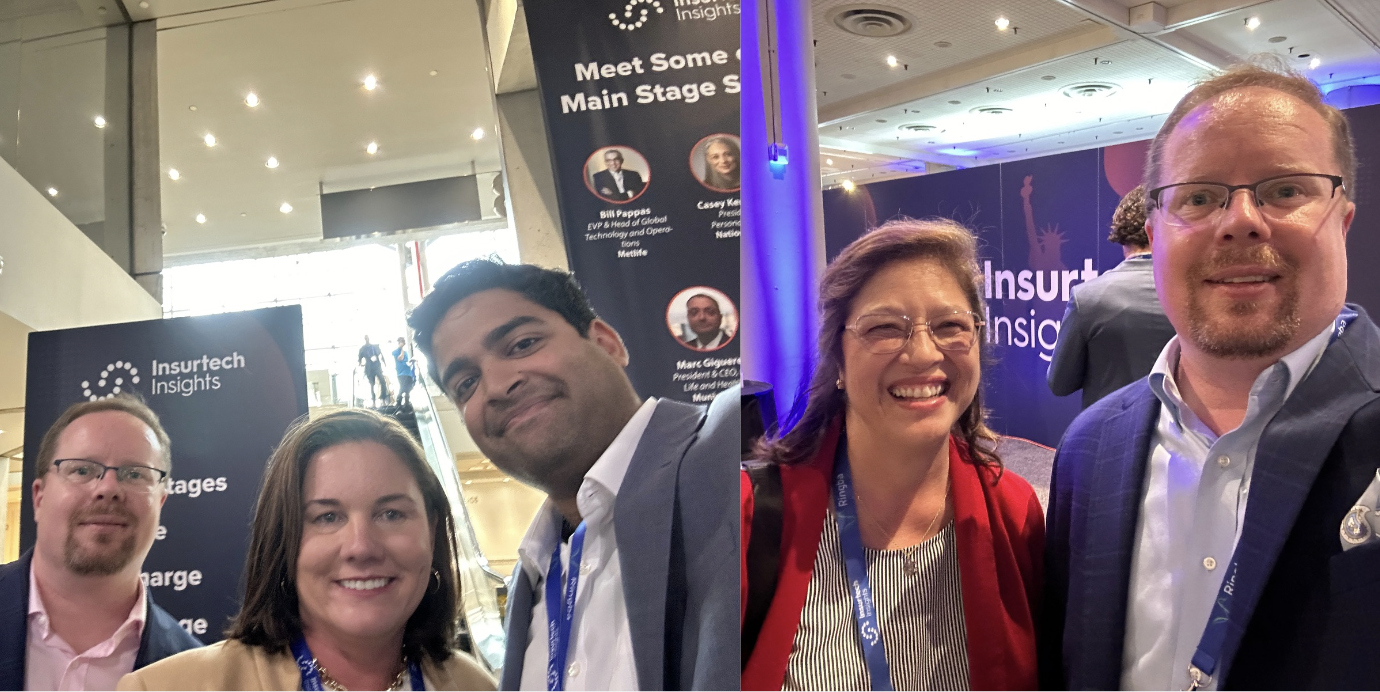
InsurTech Insights USA 2024: Lessons Learned, Advice Offered

Last week, two of my colleagues and I attended InsurTech Insights USA in New York to do a little networking. Having attended for the first time in 2023, what I’ve come to appreciate about ITI is the speed networking.

Like two unassembled IKEA furniture pieces, both parties to ITI’s speed networking meet-up have a purpose. But how do you make the meeting feel natural and unforced? This can be tricky without planning. It can feel a bit like trying to assemble said IKEA furniture while following a vague and sometimes interpretive set of directions.

At ITI, you can use the event app to make connections with other attendees and schedule a series of 15-minute speed networking meetings. The app does all the hard work in terms of schedules and logistics. It’s the human element that is both fascinating and frustrating.

Who speaks first? How do you start? Should a slide deck be involved? What about business cards (so many opt not to carry them anymore or lose them along with their checked luggage)? What are the takeaways or next steps? Should there be takeaways or next steps? What if you’re late for the next meet-up that starts the moment your current meet-up ends?

What I’ve Learned

For those who participate in these meetups, and some do not, the intentions of both parties are clear. Someone is selling. Someone might be buying. Sometimes both parties are selling. And, sometimes, someone took the meeting simply to be polite.

The good news is it’s a level playing field for insurtechs, insurers, vendors and others who choose to participate.

What I have found to work best is to keep it simple and be direct: Asking the other party to tell you what they do, who is important to them to grow their business and what problems they are trying to solve or what opportunities they are seeking. Always give the other party, when possible, most of the time. And – importantly – listen to what they say. Don’t simply wait to speak. If what you do, provide or sell matches up with their needs, then connect the dots for them. Otherwise, ask them what they would like to know about your business and allow them to guide the conversation. And leave the PowerPoint at home. When you’ve got about a minute left, ask if it makes sense to keep the conversation going. If agreed, exchange contact information.

The number of people I met in 2023 and again this year who said, “I’m not sure how this meeting is supposed to work” was surprising, but also honest and refreshing. They saw the value of the speed-networking meet-up. They simply didn’t have a plan. Maybe the above approach will help in 2025?

What I Suggest

Frankly, I’d like to see a bit more of this type of speed-networking at other insurance industry conferences. Just maybe not at the same volume or pace as ITI (you really do need comfortable shoes and the occasional bathroom break).

Insurance is a business built on relationships. With daily new entrants to the industry and younger generations working to build and nurture their own networks, maximizing in-person opportunities and building relationships are more important than ever. Additionally, as experienced executives begin to retire, some of their industry relationships run the risk of being retired with them. Insurers simply cannot afford for this to happen.

ITI’s speed-networking format can be adapted to serve nearly any organization. For carriers, re-insurers and others, this would be a potentially great addition to all-company staff meetings. For the industry’s many professional associations, speed networking could be a great icebreaker for new as well as existing members. It could also serve the organization to better understand their members and their needs in a direct way. The same is true for recruitment events, fundraisers and alike.

For insurance to innovate and grow into the future, relationships must be brought along as part of the compact. While ITI certainly did not create the speed-networking concept, its application of the concept – in my view – offers a road map to creating and carrying all-important industry relationships into a bright, energetic and exciting future.

Tampa: Hustle Capital of the Insurance Industry

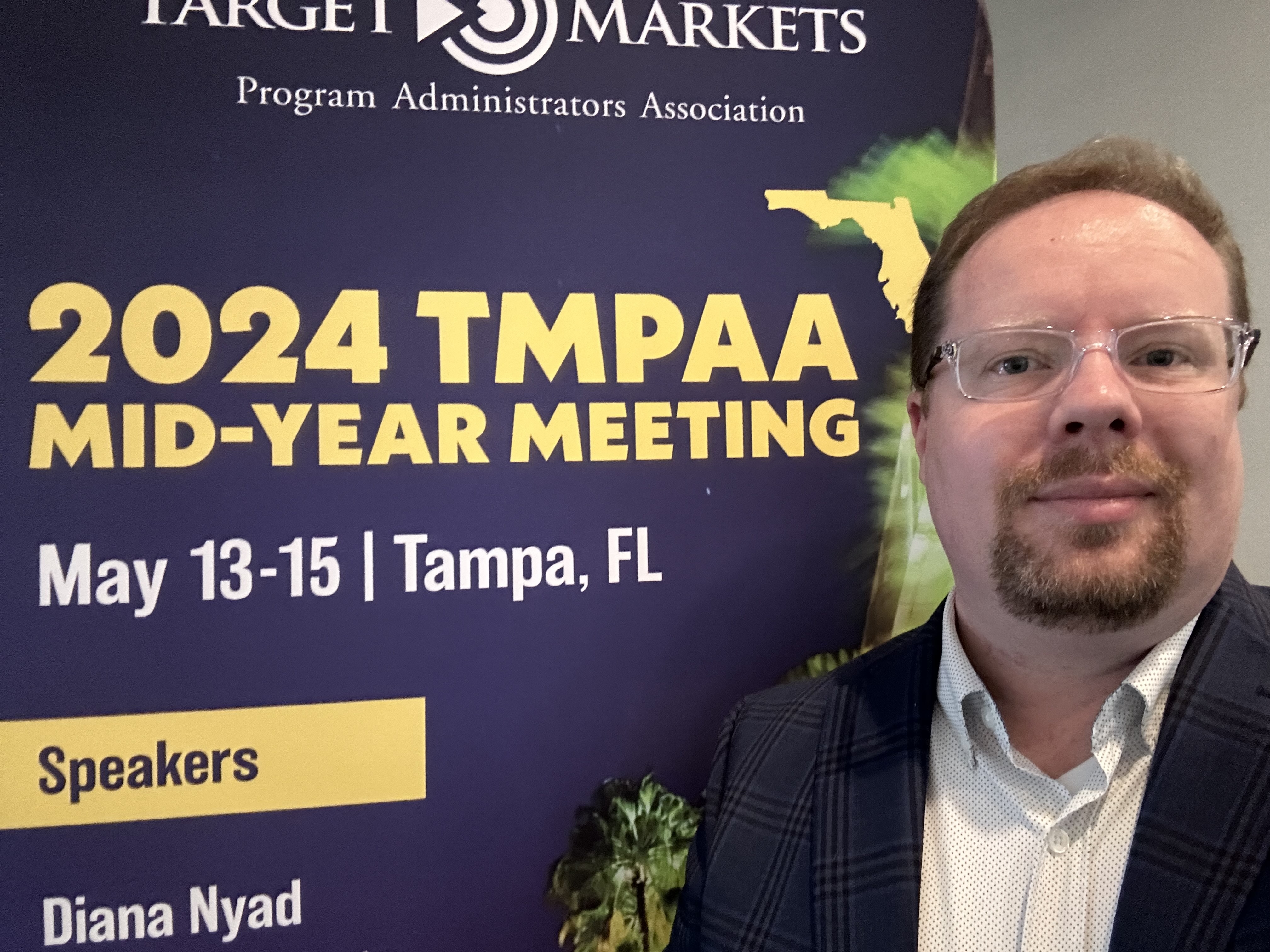
Target Markets 2024 Mid-Year Meeting in Tampa, Florida, made clear insurance is, and continues to be, a relationship business. This year’s mid-year meeting set a record with more than 1,300 attendees – more than double that of prior mid-year meetings for Target Markets. It was also my first time attending a Target Markets mid-year meeting.

I understand the attraction.

The first full day of Target Markets, Monday, May 13, was straight to business. Old friends reconnected while new acquaintances were made. Meetings were held over coffee, at breakfast, in break-out rooms and hallways, in the lobby, at the hotel Starbucks, over lunch, at the bar, across countless restaurant dinner tables and over drinks and at numerous private parties afterward. All this went beyond socializing as companies pitched, partners explored and new business partnerships were formed. The pace was hectic and heady, and it will be interesting to see if Target Markets offers an estimate for the business transacted in Tampa. The number of people who faced daunting schedules with back-to-back meetings, hoping to sign or write business, was impressive as they ran the gauntlet of two large Marriott hotels connected by a single third-floor sky bridge. The spirit of the 2024 meeting could be best summarized in a single word: Hustle.

Day two was a mix of the day before along with a series of programs and events that covered topics including a Lloyd’s Market update, a keynote speaker of remarkable tenacity embodied by Diana Nyad, a women’s leadership lunch, discussions on talent, the Target Markets’ new Program Business Professional designation and, of course, ample opportunities for networking.

The Target Markets’ hustle – on display from start to finish – also demonstrated the power and innovation of an insurance industry in growth mode. Seizing opportunities. Strengthening relationships. Getting business done.

Through all of this, I found myself among old friends I haven’t seen in years while sharing coffee and meals with new friends, potential business partners and – in my world – the all-important insurance industry trade media who were there to get the inside scoop on the issues, trends and insights of those who drive the business of insurance.

I applaud the team at Target Markets for putting together a productive event, and for those who grabbed the opportunity to move their business, and the industry, further into the future.

In a World of Viral Videos, Employers Need a Plan for Hiring and Firing

We live in a TikTok world with countless Americans (me included) drawn to dramatic online videos of real-life joy and sorrow. How many of us have turned to our phones to watch one brief-but-compelling video, only to find 10 minutes or more have passed as we watch video after video? And those videos filled with relatable, emotional moments, are often the most compelling.

In 2018, Melanie Sanchez was recorded at her college graduation taking a cell phone call from an employer offering her a job. The video went viral, and we all shared in Melanie’s joy. One of my favorites was from about 10 years ago. Marina Shifrin posted an interpretive dance resignation video for her employer. It was fun, with a bit of dark humor, and showcased her creativity in the process. The video went viral. Marina hit the talk-show circuit and even landed a book deal.

Of course, there are also heartbreaking videos. Brittany Pietsch made headlines a few months ago when she recorded her Cloudflare layoff-via-video, showing us the dark underbelly of not only remote work but also how poorly some employers plan these challenging discussions. There are too many examples like Brittany’s, and not enough of those like Melanie.

For employers, however, there are lessons to be learned as we continue to break new ground in a world of hybrid and remote workers. The biggest lesson from a communications perspective is to be human and humane in these discussions of hiring and firing.

When Hiring

  1. Check the Tech: Before you dive into the conversation, make sure the technology platform you’re using works for all parties. Shaky or delayed connections create misunderstandings and frustration. Don’t proceed if the tech fails or is of such poor quality that the messaging you wish to convey is at risk. This step applies to both the hiring and the firing process.
  2. Be in the Moment: Video meetings are part of the new normal of workplace cultures. Treat them like in-person meetings. Greet the candidate and be warm and conversational. Work to maintain a high level of eye-contact by looking at the camera when speaking and listening.
  3. Set Expectations and Don’t Let Suspense Linger: Be transparent about your process upfront. Outline the steps in that process and your approximate timeline clearly. And if you are calling to offer the position to the candidate, be upfront rather than leaving them waiting to know if they have been selected. No one needs to be on pins and needles across an entire conversation waiting for the big reveal at the end.
  4. Record with Consent: If you plan to record the interview to share with colleagues or even for your own internal review, ask for the candidate’s consent first. Show respect for their privacy. And remember, in some states and jurisdictions, it is illegal to record someone without their consent. Parties who break these laws can face serious legal consequences.

When Firing

  1. Privacy First: In addition to checking the tech as noted above, privacy is critical. This is a devastating moment for the employee being released from your employ. Both you and the employee should be in a private setting.
  2. Be Empathetic: Job loss ranks alongside death and divorce as a major life stressor. Demonstrate kindness and empathy as best possible. Acknowledge the hurt and distress of the moment.
  3. Be Direct: Clearly communicate the decision to end the person’s employment without mincing words. However, be kind in the process. Avoid jargon or corporate speak; simply act like a human and treat the person with respect.
  4. Provide Resources: Your human resource representative should join the employee’s manager or supervisor on the call. The manager or supervisor – someone who knows the employee and his or her work product – is there to discuss the decision and provide feedback, while the HR rep should explain any severance package, unemployment benefits, health insurance options (if applicable) and any other services the organization plans to offer following separation. At all times, the employer should be respectful and be sure to truly hear the employee while still keeping the call focused and brief.

As employers continue to hire digital natives, the likelihood of a business matter like hiring or firing becoming click-bait for the rest of us rises exponentially. Millennials and GenZ are the first truly digital generations whose lives online are rarely separate from their offline experiences. So, employers would serve themselves well to consider those hiring phone or Zoom calls or the difficult layoff discussions via Teams or speakerphone might take on lives of their own online. These discussions could put your organization’s reputation on the line and even threaten your bottom line.

Remember, these discussions have the potential to become tomorrow’s headlines. Plan accordingly.

Read the Room: Preparing for your next speaking engagement

Sweaty palms and a microphone in hand, you are called to the stage for your presentation in front of hundreds of your colleagues. You wrote your speech word for word and studied it diligently but as your nervousness grows, those words you meticulously studied begin to vanish. Panic. Anxiety. Is there more you could have done? As in all things, preparation is key.

Power in preparation

A successful speaking engagement is rooted in the right kind of preparation. While writing a speech is an important part of the process, simply putting words on paper could leave a public speaker high and dry on stage. The reality is a memorized speech is full of recollection and verbal landmines, stumbling and missed content. When preparing for your next speaking engagement, consider the following:

  • Focus on key messages: Rather than memorizing a speech, consider the key messages or the main points the speech conveys. Talking points serve as a speaker’s safety net and help pull them back to their main points when stumbling occurs or they veer off on a tangent. Key messages should include the main idea of the speech, how it relates to the speaker and their organization, as well as the audience and high-level content points.
  • Follow a formula: Be sure to make your point, provide reasoning or statistics that support your point and consider offering an example to help the audience visualize what you are saying. Telling a story is often easier for a speaker to recall compared to memorizing theories, data or intellectual arguments. Finally, be sure to drive the point home again at the conclusion of your remarks.
  • Practice makes perfect: Reading your speech ahead of time can be helpful, but nothing compares to giving the speech on camera or in front of colleagues, friends or family. Avoid speaking in front of the mirror as it only serves to distract. Speaking before a friendly audience helps with both familiarity with the topic as well as speed of delivery, your body language, your intonation, articulation and more. Play the recording back afterward to self-evaluate and ask for honest feedback and direction from those who are invested in you making a great impression up on the big stage.
  • Engage with your audience: Audience engagementis crucial to a speaker’s success, but it rarely ever just happens. Speakers must prepare for what some call crowd work; engaging the audience as part of their presentation and considering potential outcomes. In addition to the fact that audiences do not want to sit through a lecture, engaging with the audience can help them remember your key points. Storytelling, adding a little humor, polling the audience or low-pressure activities can be great ways to garner audience attention and prime them to listen attentively.
  • Have a backup plan: When all else fails, speakers should be prepared with a backup plan. Comedian Jo Koy saw firsthand what happens when you do not have a plan at the 2024 Golden Globes when his monologue fell flat. His jokes about Barbie and Taylor Swift left him in hot water and his only fallback was to blame the writers. While the Golden Globes is a much larger stage than your average business conference, all speakers should be prepared to pivot. Consider how an audience could respond to all aspects of your speech and have a plan to pivot to a safer topic should you lose the audience.

Public speaking is among the most common societal phobias, but it can be overcome in many cases, with effective practice and preparation. Comprehensive preparation can instill the confidence a speaker needs to be successful on stage. Speakers are selected for the insights they offer. Come prepared for the stage with key messages and a solid plan of action to make sure your messages are conveyed in way that engages the audience and leaves them wanting to learn more.

The Lesson of 2023: Messaging Matters More Than Ever

From the explosive exploration and application of generative AI across society, to bank failures and financial upheaval, inflation and more, 2023 was the year that surprised no one and everyone at the same time while keeping us all wondering what might follow.

This was also a year where proper messaging, or the failure to provide proper messaging, played into the headlines at a level we hadn’t seen since the height of the pandemic.

Introducing:  AI

Across the calendar, 2023 was the year where everyone wanted to talk about technology, specifically artificial intelligence. From an ill-considered public discussion about using AI to advance diversity at Levi’s to the very public spectacle that was the firing and rehiring of Sam Altman at OpenAI — and all manner of speculation of how AI would improve nearly every business — poor messaging drove headlines and cost their brands.

In March, Levi’s announced plans to use AI-generated clothing models to allow customers to see clothes on models who looked more like them. The initiative was met with backlash for failing to include in their messaging the platforms to find the AI models or information on how to customize the models, as well as what the change would mean for human models. The company was forced to issue a follow-up statement clarifying the initiatives and explaining, among other things, that it was not meant to substitute real action on diversity, equity and inclusion at the company.

Of course, the messaging around Sam Altman’s firing and rehiring at OpenAI made our list of messaging gone wrong in 2023. First, the board of directors of OpenAI fired Altman with a public announcement claiming he was “not consistently candid in his communications with the board,” and that the board “had no confidence in his ability to exercise his responsibilities.” After Microsoft swooped in to try to pick up Altman and his colleagues, pressure from employees and investors mounted, prompting OpenAI to post on X that Altman would be returning as CEO.

It seemed not a day passed this year when the public square did not feature a discussion about the digital world. And, regardless of your technological interest or acumen, few can honestly say they were not aware of or participating in the buzz around AI.

Failing Fabulously

Meanwhile, the financial sector was rocked when a few banks formerly ranked as among the 30 largest in the US imploded despite reassurances from business and government officials. In fact, one of the failed banks committed financial suicide due largely to poor messaging. Silicon Valley Bank, in the wake of rising inflation and interest rates, issued a statement in March that made no mention of its financial strength and instead focused exclusively on losses, manifesting an old-fashioned bank run that effectively killed the institution.

Additionally, theories and speculation on inflation and a potential recession offered real-world consequences for the global economy. Notes from a March meeting of the US Federal Reserve didn’t mince the words of Fed economists, noting bank failures were likely to cause “… a mild recession later this year.” This set off a chain of events that saw Silicon Valley leaders like Google, Meta and others publicly trim headcounts while other industries took a long, wait-and-see approach to spending in 2023.

The Value of Words

In short, buzz and speculation that included the active participation of brands and businesses through their messaging not only influenced public perception, but that messaging also drove consumer decision-making.

In a world increasingly attuned and sensitive to business and industry messaging, 2023 offered a bevy of examples too numerous to mention here that reinforce the adage, words matter. One of the key takeaways from this as we look to 2024 and beyond is that minds, as well as markets, can move more dramatically than ever based on how messaging is conceived and delivered. Brands and nonprofits will do well to apply this lesson to their new year planning. And, of course, Kimball Hughes PR is always here to help craft as well as pressure-test the words and content that shape the perceptions of those audience(s) most important to your organization.

Stepping Up for Charity

Throughout the year, Kimball Hughes Public Relations participates in a number of philanthropic endeavors alongside our partners and clients in an effort to give back to local communities and those in need. We enjoy supporting all the good our clients do in whatever ways we can, but when we can also get them comprehensive, quality news coverage on their charitable endeavors – that is a sincere thrill.

We did just that earlier this month when Pennsylvania Lumbermens Mutual Insurance Company (PLM) held a head-shaving event fundraiser during their National Meeting benefiting the St. Baldrick’s Foundation, a nonprofit organization supporting childhood cancer research. We secured the attendance of three Philadelphia network-affiliate television news crews to show their audience 17 members of PLM’s team, including CEO John Smith and Assistant Vice President of Marketing Lindsey DiGangi, shaving their heads after raising more than $150,000 for the important cause. Agency Vice President Eileen Coyne and PR Manager Hari Rajagopalan were in attendance at the event, enjoying live string band music from the famous Philadelphia Mummers. Kimball Hughes PR was honored to make a monetary contribution to PLM’s fundraiser as well. Well done, PLM. We’re proud to work with you. To learn more about the St Baldrick’s Foundation and their mission, please visit https://www.stbaldricks.org/

Our team at Kimball Hughes PR is also getting our collective steps in for charity by participating in the fourth annual Insurance Industry Charitable Foundation (IICF) Step Up Challenge. From April 24 to May 21, 2023, the team at Kimball Hughes PR, alongside thousands of insurance professionals, their friends and families will participate in a four-week exercise competition to raise funds for children and communities in need across the US and UK. This will be our team’s third year participating and we’re looking forward to some friendly competition benefiting local nonprofits. Last year, agency President Rod Hughes took home the gold among our team with a whopping 331,329 steps. This year, it’s anyone’s game.

Both teams and individuals are welcome to participate in the challenge. A total of four IICF winners, the top two from the team and individual categories, will be able to allocate a grant to a nonprofit of their choice. To learn more about and sign up for the fourth annual IICF International Step Up Challenge, visit their website, https://stepup.iicf.org/

Giving Thanks: Acknowledging the Small but Mighty Work of The MOG Project

By Eileen Coyne, Director of Public Relations, Kimball Hughes Public Relations

During this season of Thanksgiving, we want to take time to recognize a special organization for the tremendous good they are doing and for the hope they are inspiring in at least one small part of the rare disease community.

The MOG Project is a young nonprofit working to promote awareness of a rare neuroinflammatory autoimmune disease found in people of all ages and children in particular. Myelin Oligodendrocyte Glycoprotein Antibody Disease (MOG-AD) is a newer disease only recently identified via an antibody test in 2017. The disease causes dangerous inflammation in the brain, spinal cord and optic nerve. Due to its similarities with Multiple Sclerosis, it is often misdiagnosed as MS, which The MOG Project is fighting to change. Such a misdiagnosis can lead to incorrect treatments and prove harmful to the patient.

For us at Kimball Hughes Public Relations, we are passionate about donating our time to non-profit organizations, and for me, the MOG Project is personal.

In the Spring of 2020, during the height of the COVID-19 lockdowns, my elementary school-aged son was diagnosed with MOG-AD. Unfortunately, it took weeks of frightening symptoms including tear-inducing headaches, fevers, relentless vomiting, chronic fatigue, severe leg weakness, long hospital stays and the loss of nearly 20 percent of his body weight before the doctors came to a diagnosis. Lesions on his brain and spine found in an MRI led his team of physicians to ultimately test for MOG-AD. He was positive. And, as I understand it, we were lucky. My son was a patient at the Children’s Hospital of Philadelphia (CHOP), a leading pediatric institution recognized around the world for its research, treatment and care.

Again, we are fortunate to be a patient at CHOP where my son’s MOG-AD has been well managed. I am convinced that many hospitals around the country would not have known to test for this rare disease and may have even misdiagnosed him. He had two MOG-AD flares early on that manifested themselves by blurring and darkening his vision, but since receiving regular therapy, he has been healthy and well with 20/20 vision – attending school, playing sports and having fun with his friends.

A diagnosis of a rare disease, like MOG-AD, is more than just frightening. It can feel isolating at times. While I had the support of my family, friends and incredible colleagues at Kimball Hughes PR, I needed more. When I was ready to seek additional guidance and support, I came across The MOG Project. Little information was available online about MOG-AD, but The MOG Project was there to show me and my family we weren’t alone. Other patients, doctors and researchers are working diligently to encourage research, enhance treatments, and in due course, finding a cure. I immediately connected with the founder of The MOG Project Julia Lefelar and soon after Kimball Hughes PR began providing public relations services on a pro bono basis.

As public relations professionals, we inherently recognize the value in raising the public profiles of our clients. We understand the meaningful impact a smart media placement can have on an any organization – let alone an advocacy group so passionately dedicated to advancing awareness, educating the medical community, supporting patients and caregivers, and promoting research around a rare disease.

We hope to help this amazing group of remarkable individuals and industry-leading researchers bring MOG-AD to the forefront. Working with The MOG Project, the patients it supports and the influential doctors on its board, we’ve learned that in fighting for better outcomes for patients with one rare disease, we can help promote better outcomes for all. Please check out The MOG Project at https://mogproject.org/.

Chef Polignano of the Ryland Inn brings his own flavor to one of the state’s premier restaurants

Fulfilling one of his culinary dreams, Chef Craig Polignano of Basking Ridge, New Jersey joins the Ryland Inn as its newest executive chef. Find out how he and one of the best eats in New Jersey are making Craig a top chef and the Ryland Inn a top restaurant, in this NJBIZ feature story.

On A.M. BestTV, AAMGA’s Bernie Heinze discusses recent visit to Lloyd’s

BernieandJohnWeber

Earlier this month, Bernie Heinze, executive director of AAMGA, briefed A.M. BestTV’s John Weber about his recent visit to Lloyd’s to discuss the role of MGAs in transfers, audits and more. Watch the interview here.