Brand Authenticity Requires Communicators to Play Lead Roles

While brands have a voice in shaping their narratives, it is their publics who play an outsized role in holding organizations to their brand promise and reputation.

One of the best time-tested methods of ensuring adherence to brand authenticity is having a public relations or communications professional at the decision-making table from the start. Failing to do so runs the risk of self-inflicted reputational harm that is extremely difficult, and often expensive to dial back later.

In brands we trust

B2C as well as B2B consumers have vast resources to evaluate brands and a wealth of options from which to choose. Brands that consistently speak to the values and priorities of their consumers engender trust and an emotional connection. According to April 2024 data released from Shopify, 86% of American consumers say authenticity is a key reason they buy or engage with a brand.

Whether it is Red Bull, GE or Salesforce, these companies and others are great examples of organizations that use engaging storytelling, emotionally targeted messaging and brand authenticity to reach and connect with their audiences. We know Red Bull gives you wings. We know GE is focused on imagination at work, and that Salesforce positions you to manage success, not software. Their messaging goes beyond taglines, and their stories resonate with their publics because they meet a need.

What Ben Franklin said

Ben Franklin famously quipped, “It takes many good deeds to build a good reputation, and only one bad one to lose it.” There are countless brands that illustrate Franklin’s point.

The example set by Target regarding its shifting DEI policies has put … well, a target on the Target brand with calls for boycotts and declining sales. Such inconsistent messaging causes brand audiences to reconsider the authenticity and trustworthiness of the organizations at issue. Consumers aren’t sure what, if anything, the brand stands for and repairing that damage will be a long and expensive undertaking.

On the B2B side, there is no more powerful example of reputational damage due to a lack of authenticity—as well as transparency—as WeWork. The company promoted a utopia-style revolution in how workspaces would evolve while leveling the playing field for entrepreneurs to work collaboratively. In reality, the company infamously misled everyone regarding its spending, profitability and stability, leading to a loss of trust among investors and business clients that ultimately led to the founder being ousted and a Chapter 11 filing in 2023.

The power of communications strategy

A chief communications officer with a seat at the leadership table can help organizations adhere to brand authenticity. These professionals are trained to assess the communications risks of any given action by an organization that plays out in front of its publics—internal or external. They help brands avoid unforced errors and plan for a range of responses from their target audiences.

Having that comms professional in the room from the start of major brand decisions can lead to important conversations and questions filtered through a public perception lens, such as:

  • How does this align with the public’s understanding of who we are and what we do?
  • What risks are we taking with this change, and what can we do to mitigate them?
  • Does this change align with our core values?
  • How should we communicate this change clearly to our audiences, and what are the best channels to do so?
  • What is the plan to measure the impact of this change on our brand reputation and perception?
  • What is the backup plan if this change is not well received, and what is the trigger to institute that plan?

Brand leaders are best served when their PR teams challenge group think and work to consider the reaction to organizational change among various audiences. This approach can strengthen and even improve the proposed changes, better aligning them with the brand’s reputation and perception and lead to a smoother introduction to its publics. However, making change better and more sustainable only happens if the communicators are in the room where decisions are made from the beginning. That is how you maintain brand authenticity, and it matters.

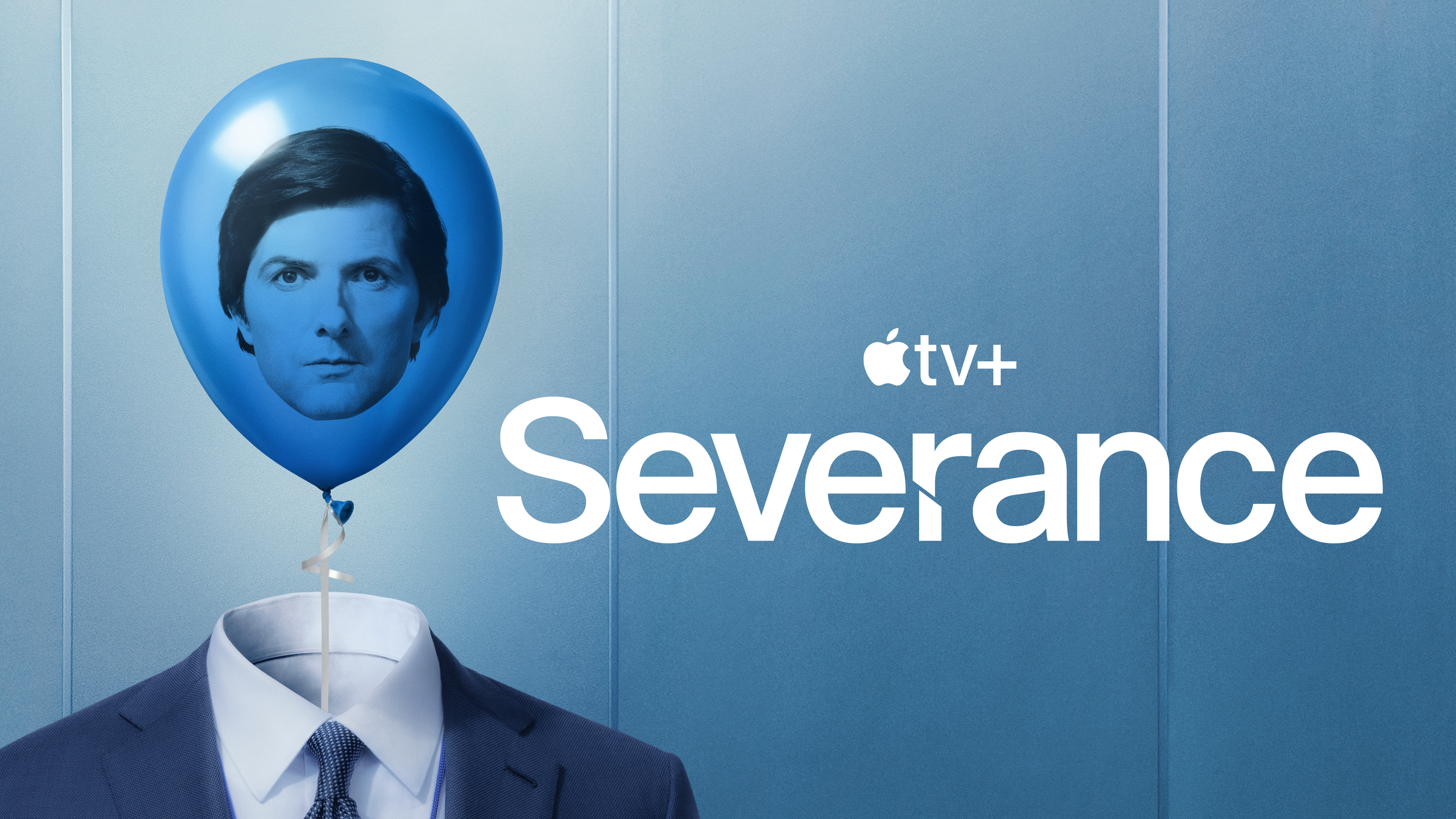
An Outie’s Perspective: If I worked in Comms at Severance’s Lumon Industries

Photo by AppleTV

The wildly popular Apple TV+ series Severance has many of us considering ourselves in the shoes of a so-called “severed” employee. For example, I wonder – what would my “innie” do during her workday at the fictional Lumon Industries?

Spoiler alert – if you have not yet seen the show, the premise centers on an elective surgical procedure to the employee’s brain that separates work and personal life. The severed main characters’ “innies,” or in-office versions of themselves, spend their days behind desks in the Macro Data Refinement Department of a bio-tech company called Lumon Industries.

For me, a public relations professional for Kimball Hughes PR in real life, I would think my “innie” might have some communications expertise to share with Lumon leadership, particularly on the so-called Severed Floor, designed exclusively for innies.

Communication Breakdown

At Lumon, when innies ask why they do the work they do, they are told, “The work is very important and mysterious.” The lack of transparency provided by leadership fuels the innies’ curiosity to learn more about what is really going on and results in a growing distrust of management.

As professional communicators, we always advise our clients to be transparent in both internal and external communications. In internal communications, conveniently leaving out key details or worse, lying about events or covering up incidents, can build distrust, chip away at employee morale and lead to quiet or actual quitting. Communication from the top can be a critical aspect of strengthening the company’s reputation and the trust of employees as well. At Lumon, the board communicates mysteriously through a retro public announcement-like system in a way that no one but the board’s translator can hear or understand.

Leadership should set the bar in a corporate structure and they should lead by their own actions to inspire others. Management should make it a priority to be present, relatable and accessible. For example, if a company is encouraging teams to volunteer and engage in charitable giving, leadership should step up to the plate to motivate others. If leadership is implementing a return-to-office mandate, leadership should be onsite as well and ensure they are relaying clear reasons for how the mandate will benefit the company, as well as its employees – beyond perks, like new coffee flavors or the occasional Music Dance Experience (IYKYK).

A Lesson in Crisis Management

While every Severance episode seems to present a slew of crises, the Lumon Industries PR team (assuming the fictitious company has one) was likely engaged for crisis communications services when (another spoiler alert) the innies escaped to see how their outies live at the end of Season 1.

When the main character Mark S. returns to the Severed Floor at the start of Season 2, his manager, Mr. Milchick parrots a company narrative about the innies’ escape. He explained the incident led the innies to be named heroes, inspired a review of the treatment of severed employees and resulted in a series of reforms – complete with a newspaper article and an animated internal comms video.

The Lumon PR team may deserve credit for seemingly responding to the situation proactively by engaging the media and creating messaging, but, from a professional communications perspective, it was certainly lacking. The Lumon team manufactured untruthful messaging in an elaborate effort to spin their way out of the predicament. Likely, they did not have a comprehensive crisis communications plan in place – a best practice for any business owner.

Instead, the Lumon team should have followed crisis communications best practices that center on collecting facts related to the situation and following a pre-designed plan for leadership that can help deter people from acting rashly on emotion in a crisis. Lumon leadership should not have created messaging and collateral around a lie, but instead around fact-based messaging.

Anyone who has seen the show, sees countless parallels between the fictional Lumon world and the traditional corporate workplace. Aside from the more obvious light the show shines on work-life-balance and corporate culture, it also presents a case study on corporate communications, mostly on what to avoid.

Keys to Boosting Brand Awareness in 2025: Embrace New Media

While you contemplate adding extra protein and strength training to your weight loss plans for 2025, why not consider adding new media and video to your company’s communications strategies?

A turn of the calendar to a new year presents an ideal opportunity to not only consider weight loss and exercise, but to evaluate business strategies as well – both successful and failed strategies. In public relations, as with many other industries, this new year refresh or reinvention beckons us to consider the latest trends and undertake new initiatives to continually boost brand awareness in the year ahead.

This time of year is replete with industry experts offering outlooks on what we can expect in the year ahead. And while traditional PR tactics, like contributed articles to well-respected outlets continue to carry weight, we are increasingly seeing good PR pros encouraging industry pundits to take on new platforms or new features of existing platforms to share their views, including – LinkedIn Live, LinkedIn Newsletters, TikTok, and new X competitor Blue Sky, among others.

Depending on the audience targeted, each platform can yield considerable results for company leaders who offer original, valuable and educational content. Leaders who want to boost their brand’s visibility in 2025 should consider the following new media:

  • LinkedIn Lives – In 2025, we will continue to see savvy thought leaders connect with their audiences through LinkedIn’s event-hosting platform LinkedIn Live. LinkedIn Lives are becoming increasingly popular for the platform’s ability to host live events with a casual feel – with one or multiple speakers, while engaging and interacting with the audience through a live chat function.

The tool markets itself in many ways as the event can easily be promoted among LinkedIn followers of the company page or the individual hosting the event. Followers will receive notifications about the event, as well as when it goes live. Moreover, any form of video in social media tends to generate higher levels of engagement than written content alone.

In the insurance space, digital marketing and transformation guru Ema Roloff has seen tremendous success with this resource, gathering roughly 1,600 registrations for an insurance predictions and trends event in late 2024. She hopes to do the same and more this year ahead of her Insurance Trends to Watch for 2025 event Dec. 17.

  • LinkedIn Newsletters – As LinkedIn continues to flex its authority as the social platform for business professionals, its newsletter function has also become increasingly popular for sharing thought leadership and other educational, nonpromotional content. LinkedIn claims it has seen a 59% increase in people publishing newsletter articles and a 47% rate increase in engagement. The platform claims more than 184,000 newsletters published. Once published, these newsletters invite your connections and followers automatically to subscribe so they are notified each time you publish with an in-app and email notification. Another perk – the success of your content is easily measurable through LinkedIn analytics.
  • Tik Tok – While Tik Tok has primarily been a successful B2C tool, we are now seeing the platform used more frequently for B2B engagement. In fact, Roloff has told us, her B2B Tik Tok videos on digital marketing in insurance have attracted more than one million views. We’ve been hearing for years that video content is essential for business communications, and Tik Tok proves the point and should not be overlooked in 2025.
  • BlueSky – As some look to move away from X, the app Bluesky, which bills itself as “an open foundation for the social internet” has been gaining popularity. In fact, BlueSky just reported crossing the 15 million user mark. As audiences flock to newer platforms like Bluesky and Meta’s Threads, business leaders will want to take note to ensure they are meeting their customers where they are.

To understand new media available to your business and what might be right for you, work with a communications specialist or agency that understands your business objectives, your audiences and the new media that can deliver on those objectives and audiences. Technology and AI are quickly changing how we do business, as well as how we communicate and interact with each other and prospects. Don’t get left behind.

Communicating with Sensitivity in the Holiday Season: A guide for home and office

We’re all worried about it. At this time of year everyone gathers. Linda brings up the election. Todd starts mansplaining. Rarely is there a workplace holiday gathering or end-of-year meeting where sensitive issues don’t come up. Oh, wait. You thought I was talking about holidays with the family?

Whether it’s bringing together far-flung (and far right and far left) relatives or just the company holiday party, some basic rules of the road apply to help you navigate both with grace, wit and diplomacy.

Know Your Audience

Spend enough time with anyone and you know what buttons to push and what reactions to expect. Keeping these in mind can avoid disaster.

  • Holiday Meals: Aunt Linda’s wine-soaked stories can venture into uncomfortable territory, while Cousin Todd is ready to challenge you on everything. Don’t engage. Instead, start light. “Please pass the rolls” is a safe opening that builds rapport and may only offend the gluten-free wing of the family.
  • Work Communications: When your boss is a bottom-line kind of executive or you have colleagues who need a little extra communication fluff to avoid shattered nerves, tailor your tone and content accordingly. When in doubt, lead with data and empathy. “Here’s the situation and my suggestions for how we can handle it.”

Address Conflict Strategically

Conflict is part of the human experience, but it doesn’t have to become a distraction from the mission of your gathering.

  • Holiday Meals: Avoid inflammatory topics like politics, religion, and Tofurkey. Instead, take the middle ground by spreading good cheer. Compliment the chef, celebrate Grandma’s bedazzled holiday sweater and admire your nephew’s alpaca-like hair style.
  • Work Communications: Take a beat before responding to a tense email or comment. Employ diplomacy by acknowledging a colleague’s concern, but stay solutions focused. “I understand your concerns. Let me clarify what I meant so we can find a solution together.”

Manage Expectations

Clarifying both your expectations and what you can offer helps to avoid misinterpretation. Clarifying your position without offending others can be achieved.

  • Holiday Meals: Stating you are stepping outside to “get some air” can be loosely interpreted to mean you’re taking a moment to avoid listening to Uncle Ernie (who no one invited) go on about how things were so much better in his day and how the world is going to hell in a handbasket now.
  • Work Communications: Be explicit about deadlines, deliverables and resources, especially during the holiday season. Doing so early helps avoid miscommunication. And push back when necessary, stating something along the lines of “I’d love to prioritize this, but I need more clarity/resources/time to do so.” Remember, no one appreciates it when someone over promises and under delivers.

Exit Gracefully

When things become untenable or you feel there is little benefit in continuing to be part of the situation, know how to leave without burning bridges.

  • Holiday Meals: Deploy a helpful excuse like promising to help in the kitchen or needing to get home to check on your pet that you’ve never mentioned and may not, in fact, actually have.
  • Work Communications: Politely steer the meeting toward a conclusion with positive words to the effect of “It seems we’ve aligned on the main points. We can regroup on the details in our next update.”

The secret to any family or work gathering at the end of the year is the same: navigate the situation with empathy, a little humor and as much tact as you can muster. To do so:

  • Listen more than you speak
  • Breath before you respond
  • Find humor where you can, but not at someone else’s expense

Applied successfully, you will navigate this season of full-contact family dynamics and stress-inducing end-of-year business, leaving everyone convinced of your manifest diplomatic skills while creating or contributing to as few moments of holiday drama as possible.

Wicked-ly Long: How long-form content can be valuable with the right message and strategy

As the highly anticipated film adaptation of Wicked the Musical hits box offices worldwide this weekend, audiences are eager to see how director Jon M. Chu will bring the story to life. In April 2022, it was revealed that the adaptation would be released as two films, split by the first and second acts of the stage show. And in September 2023, it was announced that the first installment would run a whopping two hours and forty minutes—longer than the total runtime of the original production.

In an age dominated by digital media, we’ve been repeatedly told that attention spans are shrinking. The American Psychological Association reports that the average attention span has dropped from 12 seconds in 2000 to just 8.25 seconds in 2024. Yet, some of the most successful Hollywood blockbusters in recent years have defied this trend with above-average runtimes. While advances in technology and more sophisticated storytelling techniques may be contributing to audience engagement, society’s willingness to embrace long-form content challenges our understanding of how people consume media. Not only are audiences willing to sit through extended films—they anticipate them for months, buy merchandise, participate in online discussions and pack theaters in record numbers.

There are countless reasons why audiences become deeply invested in a story, and it’s undeniable that films like Wicked, Avatar, Oppenheimer and Avengers: Endgame benefit from unfathomable marketing budgets. However, a valuable communications lesson can be mined from the success of these blockbusters: when people perceive something as valuable, they’ll make the time to consume it.

Will anyone read it?

This lesson extends beyond films to written content, such as articles or blogs. Understanding how these mediums have evolved is key. In the 2000s, the average article length ranged from 500 to 800 words. By the 2010s, this figure had grown to roughly 2,000 words. Today, articles are back down to an average of 500–800 words, while blogs often remain closer to 2,000 words. These fluctuations reflect ever-changing factors like algorithm updates and SEO best practices.

Many brands stick rigidly to short-form content, fearing audience fatigue or wasted efforts. However, a strategic mix of short- and long-form content can offer a more comprehensive approach, giving audiences a deeper understanding of a brand’s insights.

What warrants a longer message?

Not every announcement or discussion requires a long-form message. The key is understanding when more depth is necessary and where that depth makes sense. For instance, a general press release announcing a personnel change or new product offering is best kept succinct and easily digestible. Overcomplicating simple announcements risks disengaging readers and the reporters who you hope will cover it as a story.

On the other hand, targeted content—such as a blog or article for an audience with a preliminary understanding of the subject—can benefit from a longer, more detailed explanation. For example, a trade publication or a subscribed site catering to industry professionals may justify a 1,500–2,000-word deep dive that addresses relatable pain points and offers insights on trends.

The critical question to ask is: Who are you talking to? General audiences unfamiliar with industry nuances might struggle with long-form content, while more specialized audiences may appreciate detailed analysis. This is where thought leadership plays a pivotal role. While press releases are typically concise (around 400 words), thought leadership offers companies the opportunity to dive deeper into subject matter and educate, justifying longer formats.

The value of strategic communication

A skilled public relations team can help brands determine the right time, place, and format for their messages. Long-form content can help to humanize a brand’s experts, foster transparency with the public and solidify the brand’s reputation as an industry leader. A well-rounded PR approach that considers various audiences, their preferred methods of information consumption, and the gaps a product or service can address is essential for effective messaging.

Long-form content is not obsolete in today’s digital world, but brands must approach it strategically. And as moviegoers flock to experience the magic of Wicked on the big screen, let it serve as a reminder: audiences will make the time if you make it worth their while.

Public Distrust in the Media is Expanding, But So Are Avenues for Good PR

An integrated approach has long been key to successful public relations campaigns, but as public trust in the media continues to wane, a multi-pronged approach is increasingly important.

An October 2024 survey from Gallup found Americans continue to have record-low trust in the media. According to their findings, just 31% of those surveyed reported “a great deal” or “fair amount” of confidence in the media to report the news “fully and accurately,” compared to 32% last year. Another 36% responded they have no trust in the media. Not surprisingly, these numbers are down dramatically since Gallup began the survey in 1972, when trust in the media hovered around 70%. Since 2018, the percentage of individuals who reported a great deal of confidence in the media has fallen continuously from 45% to 31%.

In this environment, it has become critical to consider PR tools and resources beyond just the media interview. A strategic, multi-faceted approach can be tremendously impactful when it comes to raising awareness for your brand. Introducing additional channels allows you to control your message more than a traditional news story alone.

Thought Leadership

Thought leadership features insights and expertise by industry leaders designed to educate the reader around trends and challenges. This content is not meant to promote or sell.  Thought leadership helps build credibility for organizations and/or the c-suite. Unlike a news article written by a reporter, thought leadership is penned by the executive, or ghost written on their behalf based on the thought leaders thorough interviews with a communications team or PR agency (preferably one staffed by former journalists). This helps ensure the company retains control of the messaging and narrative. Articles are then published by third-parties – typically trade media – or on the owned channels of the organization. Thought leadership is not only attractive to companies looking to build their media profiles, but for editors seeking to fill “pages” as newsrooms continue to shrink.

This education or insight-based content approach is proven to raise awareness. In fact, seven in 10 decisionmakers surveyed by Edelman and LinkedIn for a 2024 report said they are “very likely to think positively” about companies that produce consistent and smart thought leadership. And 67% of decisionmakers and c-suite leaders said thought leadership has led them to “research a product or service they were not previously considering.”

Social Media

Of course, with shrinking newsrooms, have come growing voices on social media. While most companies now have some type of presence on social media, they may not leverage these channels to their full advantage. As distrust in mass media grows, people are turning to social media channels like LinkedIn, X, Facebook, YouTube, TikTok or Instagram.

In its newsletter feature, LinkedIn provides a built-in publishing platform for company leaders – or anyone – to share content that lands faithfully in the inboxes and newsfeeds of their followers and newsletter subscribers each time an article is published. We see increasing value and reach in this particular communications tactic. Again, comms teams must be careful to limit or avoid promotion in this content as readers will likely reject promotional content. However this provides another platform to weigh in on industry trends and consumer issues, as well as educate, while reaching a wide and growing audience.

Social media also allows companies to amplify any published thought leadership on their own social media channels to enhance visibility and further the article’s reach. The publications will often do the same with quality thought leadership published on their platforms.

Owned Media

Finally, other owned media, like blogs continue to be a compelling tool to raise brand awareness and demonstrate expertise as trust in the media declines. A blog, hosted on a company website, that is frequently updated with original content demonstrating your company’s expertise, can also help to raise your profile. White papers, short videos on company-branded YouTube or Vimeo and more can do the same. Again, this content can be circulated across social media to stretch its reach.

Connecting with Today’s News Consumer

While legendary newsman Walter Cronkite may have been known as the “most trusted man in America,” for many American households, today’s news anchors, reporters and editors are not as warmly perceived. Fortunately, as we head into 2025, more options exist for us to see and/or hear the news. People can choose where and how they want to consume their news, and companies will need to continually find new ways to meet them where they want to be met.

A good public relations agency can recommend the best strategies and tactics for your company and that should include a multilayered approach that considers more than media relations.

Kimball Hughes Public Relation’s Fall Favorites

The autumn season is in full swing and people are pulling out their favorite cozy sweaters, watching the leaves change colors and sipping on spiced, warm beverages. The team over at Kimball Hughes Public Relations is enjoying the season change and getting outside as much as possible before the winter cold rolls in. Here’s a little insight into a few of our favorite things about fall:

Rod: Playtime in the yard with Theodore Rex (Teddy). He loves to search for his ball in the leaves, and I think he likes to blend in with the scenery trying to hide from the humans.

Eileen: Pumpkin-flavored coffee. I’m not hooked on the fancy pumpkin-spiced lattes, but a little pumpkin flavor is nice, particularly with a view of the changing leaves.

James: Hoodie season. There is nothing better than going outside, feeling the cool air, and watching my dog Zeus run through the leaves.

Cassidy: The foliage. New England, where I am based, is one of the most beautiful places to be in the fall. The vibrant reds, oranges and yellows make for the perfect backdrop for apple picking, football games and hiking. 

Hari: Taking long walks. I love walking around seeing how beautiful Philadelphia looks in the fall while it’s still warm enough outside to walk comfortably.

Kate: Halloween decorations. My neighborhood goes all out for Halloween. My partner and I like to walk around to see everything lit up and check out the spooky displays. Most of them have themes they switch up each year, and taking the time to appreciate those setups has become an annual tradition that we look forward to.

Liz: The cooler weather and enjoying the outdoors! All the beautiful colors of the leaves changing on the trees and the mums that are everywhere.

What’s your favorite part of this time of year?

How corporate speak may be hurting your business

Corporate speak is an unfortunate consequence of attempts to develop relatable messaging that can remain relevant and least likely to offend mass audiences. In a professional setting, people don’t say “I’ll get back to you later.” Instead, they say “Let’s circle back on that ahead of our next call,” as if the idea of walking in an ideological circle is somehow easier to understand. But we all use it, and many business owners have fully embraced corporate speak in their company culture without considering the impact its wanton use could have on their business.

In the end, this language transcends the office environment and can contribute to stakeholders’ and the public’s general perception of your company’s image. And corporate speak that may have once resonated with employees, prospective employees and customers, may no longer be connecting with millennials and Gen Z.

PR Newswire recently listed some of corporate America’s go-to terms of today, as reported by Adweek. They found the use of the word “thrilled” in press releases has increased 61% since 2017, “passion” increased by 54%, “industry-leading” by 98% and “pioneering” by 151% – that’s a lot of new pioneers in a 7-year span. From the outside, it may look like there are more pioneers than new lands to explore.

Those entering the workforce recognize repetitive and often redundant corporate speak as overused and ridiculous. Many are already fluent in the intent behind the general messaging. For example, they know that “Per the above message” in an email thread means “Please actually read my last email.” They are digital natives and speak the language. As Business Insider reports, they are tired of unnecessary and indirect words.

Recruiting is easier when everyone speaks the same language

There are likely hundreds of articles published in the past year discussing the complicated current state of recruiting and attracting talent, both for job seekers and creators.  As businesses seek to attract top talent by positioning their companies as great places to work, words like “family atmosphere” and “work hard, play hard” begin to creep into job descriptions. The overused terms convey a vagueness that can create an atmosphere of distrust. This can actively discourage candidates from applying for or accepting your job offer.

Instead, when recruiting, business leaders should consider a more direct approach   – outside their comfort zone perhaps. Often, the first step is to take a long look in the mirror. Do you really think your company with thousands of employees is a family? Likely not. So instead of positioning your company like a family, share details on how teams are structured, provide insights into how a new hire would function as a part of that team and share how that team supports the company’s goals. By avoiding indirect and flowery language, it is more likely a candidate will approach your job offer with genuine interest and enthusiasm.

Corporate speak may be damaging reputations

The damage of overutilized corporate speak goes beyond recruiting.  It can make its way into external communications and shape customer perceptions of your brand. Think about the last time you were told the price of a good or service was increasing and how that felt. Probably not a great feeling? The first instinct for anyone delivering bad news to their customers is to find a way to soften the blow. They’ll often put together softer language for communications highlighting premium features and promises of a better customer experience.

In practice, this frustrates audiences. At best, it is viewed as a halfhearted attempt to spin bad news into something positive. At worst, it is viewed as dishonest. This can create additional communications challenges a company could have avoided if it had delivered the bad news plainly and clearly.

How do we overcome corporate speak?

While most industries are inundated with corporate speak that will likely never be fully extracted, there is something business leaders can do to overcome some of the problems this jargon creates.

When developing messaging, ask yourself the following questions:

  • Is what I am saying making sense?
  • Do my words convey real and relevant information?
  • Will this message resonate with my audience?
  • Am I avoiding corporate buzz words, like those mentioned above, that audiences have learned to gloss over?
  • Am I talking down to my audience??

Leaders across the company from the c-suite to HR and marcomm may find they do not like the answers to the above questions. This may warrant a change in communications – internal, external, casual and formal. However, by being aware of corporate speak and the damage its overuse can cause, leaders can better position their teams to deliver more effective messages that are not only heard, but more positively received.

2025: Do You Have a Communication Strategy? You Should

As many businesses and non-profits begin to turn their attention to 2025 planning, one component that should not be overlooked as part of a success strategy for the new year is communication or comms planning. An effective public relations campaign can prove to be both an affordable investment in growing your organization as well as in deepening important reputational relationships that can help sustain for- and non-profit organizations in troubled times.

Here are five critical tactics for B2B organizations to consider when developing 2025 comms strategies.

  1. Highlight Industry Expertise. In the world of B2B marketing and communications, clients and partners look for actionable, tested expertise. By positioning your subject matter experts as thought leaders through authoritative content, you position your brand as a potential resource for your target audiences while demonstrating your deep understanding of, and vision for, the industry you’re in. That content can include contributed articles to respected trade outlets, white papers, industry reports, owned video content and feature-length broadcast interviews on hot topics or industry trends.
  2. Develop Authentic Messaging. Whether your audience is business or consumer, the public at large is tired of being sold to or fed boilerplate marketing messaging. Don’t sell. Instead, tell stories to highlight the purpose and values of your brand that address the concerns of your audience. No one looks for a sales pitch; they look for anecdotes, reviews and stories in which they recognize themselves or their priorities. Your audiences are more likely to turn to the sources of those stories or analogies when seeking solutions and opportunities.
  3. Focus on Data-driven Solutions. B2B audiences look for track records of success supported by hard data. Highlighting successful partnerships or projects supported by numbers and real-world outcomes creates a point of distinction and gives trade journalists something to work with when telling stories that can shine a light on your brand. This can also include information on lessons-learned and client testimonials.
  4. Be Prepared for Crisis Scenarios. From online review sites to social media platforms, the public-at-large can rapidly shape public perception of your brand in minutes or hours. By preparing for likely crisis scenarios and developing actionable protocols to deploy your response messaging, your organization stands a better chance in weathering whatever storms may come. Paramount to protecting your brand in a crisis scenario is developing messaging that is honest, authentic, empathetic and deployed with thoughtful speed.
  5. Pursue a Broadening Media Landscape. While rumors regarding the demise of journalism have been abundant in the past decade or more, the reality is the media landscape has broadened considerably. Where there once existed only print, broadcast and online, there are now podcasts, streaming platforms, vlogs, subscription-based email newsletters, audio-based social channels and even industry-specific Slack communities. The options are seemingly endless. Start by understanding the audiences you hope to reach and how they consume media. Then, plan accordingly.

If your 2025 marketing or business development plan lacks a clearly defined comms strategy, you are missing countless opportunities to convert the work you’re already doing into compelling storytelling that can move the needle for your brand. What’s worse, you may also be completely unprepared to defend your reputation if you find yourself facing a communications crisis. Make sure you have a 2025 comms strategy ready to go before January 1, 2025. And if you need help, Kimball Hughes Public Relations has nearly 30 years of expertise to help you make the most of the year ahead.

Navigating Conference Season: Take-aways from a Philly Cyber Risk Summit

It’s conference season and this week I was fortunate to attend an industry event with a global draw – without hopping on a plane or train – in my hometown of Philadelphia. Insurance carriers, brokers, cyber risk assessment, breach recovery experts, legal, security, privacy professionals and more traveled to the City of Brotherly Love for three days of discussions on cyber risk hosted by NetDiligence®. For me, the event provided a valuable opportunity to learn about trends and challenges in the ever-evolving cyber space, to connect with clients, make new connections and of course check in with and coordinate meetings with trade reporters and editors on site.

As a public relations professional who has spent years working closely with the insurance industry, I know enough about cyber risk and cyber insurance to be dangerous. However, the speakers at the conference offered eye-opening insights on challenges in the cyber risk space, emerging risks including artificial intelligence, new technology and best practices for risk mitigation. Now, I know enough to keep me up at night.

For example, top cyber scams noted by Experian Head of Global Data Breach Resolution Michael Bruemmer included those related to fake news (particularly bad during election season), natural disasters, charities, sextortion (which can even include a photo of the recipient or their house) and QR codes. What I learned about QR codes maybe should have been obvious – it’s nearly impossible to tell the difference between a legitimate and illegitimate QR code with the naked eye.

For businesses, the top risk, according to NetDiligence, remains business email compromise. As to why the risk remains so high despite corporate teams working diligently to implement safety measures and train teams to spot these emails, Bruemmer said it’s the smart pitches from the criminals that appeal to human weakness. They just keep getting more creative.

Outside the sessions, I spent time roaming the exhibit hall and making new connections. Representatives were on site to talk about their cyber risk technology, mitigation services, cyber data mining services, e-discovery and more. While the usual water bottles, pens, mints and cozies adorned the tables, a robot, like a modern version of Rosey from the old Jetsons’ cartoon, roamed the floor proffering champagne from exhibitor KYND for attendees.

Additionally, I had the opportunity to connect a few clients with attending media for background conversations. At Kimball Hughes PR, we encourage our clients to leverage their attendance at conferences like this for potential media introductions or onsite interviews. Not only can conferences bring value in terms of continuing education credit, new business meetings and client relationship building, meeting with media members, who are often on-site at these events, can pay dividends in establishing you as a trusted source for future articles or even in a conference wrap-up piece.

We often suggest our clients bring us along to conferences where media is attending for boots-on-the-ground support. This way, we can coordinate additional on-site meetings, assist in fielding questions, assist in bringing trending conference topics to the conversation and seek out opportunities to comment on articles currently in the works.

While I’ll be happy to trade my dress shoes for sneakers in the days ahead, this industry conference, like so many others, was a fantastic opportunity to learn, further relationships and build new connections.

Stay tuned for more conference round-ups as members of the Kimball Hughes PR team continue to round the conference circuit throughout the month.