Houston, We Have a Problem: A Female First Campaign Lost in Space

Pop star Katy Perry, news anchor Gayle King and four other high-profile women launched into space this week with high hopes of inspiring a swell of female empowerment. But, the Blue Origin 11-minute flight—carrying six glamorous women in full make up, donning matching blue, fitted spacesuits —did not resonate with the public as intended. Instead, it launched a chorus of criticism by celebrities and others who bashed the event as tone deaf and an empty show of feminism.

So, what went wrong? How did this “one giant stunt for womankind,” as a critic from The New York Times called it, go wrong and how might a different comms approach have produced a more positive outcome?

Exploring the Issue

The flight was part of the New Shepard program at Blue Origin, founded by billionaire Jeff Bezos. In announcing the flight, the women described the trip as an endeavor to encourage STEM careers and female empowerment, according to interviews with Elle.

The rocket, which pilots itself, carried Perry and King, as well as aerospace engineer Aisha Bowe, civil rights activist Amanda Nguyen, film producer Kerianne Flynn, and Lauren Sanchez, a journalist and Bezos’s fiancée. Even though the women were not space professionals, the Blue Origin team labeled the group as the rocket’s “astronaut crew.”  Blue Origin described them as storytellers who inspire others —as advocates for students in STEM (Science Technology, Engineering and Mathematics), civil rights, philanthropy, overcoming adversity and more.

While the trip may have been designed to encourage girls to consider STEM careers, the women aboard were seen as space tourists. They were not operating the rocket or fulfilling any astronaut responsibilities and left audiences reaching to connect them with STEM.

Upping Their Game

Could the right communications approach have changed the outcome here? Maybe. However, we do see a few areas where Blue Origin could have better executed this mission.

  • Authenticity in messaging: Blue Origin thought they were planning a mission to inspire young girls and women to explore new careers, but the wealthy, well-connected women selected to participate did not relate well to audiences. Brands need to ensure their messaging is authentic, compelling and connects to their audiences. The public watching and reading about the launch are not millionaires or billionaires who can afford the undisclosed ticket price. Audiences might have better received a passenger manifesto made up of successful women in STEM, rather than celebrities and journalists.
  • The brand’s reputation: Amazon, also founded by Bezos, has a reputation for disregarding the environment with its packaging and fleet of delivery vehicles in constant motion across the globe. While Blue Origin claims to be sustainably minded using reusable rockets and researching ways to encourage sustainability through space exploration, many viewed the rocket launch as damaging to the environment, as well as a waste of resources when many are experiencing financial hardship. Blue Origin may have been better served by hosting more female scientists like Bowe on the mission, conducting research to further sustainability, and creating messaging to show how those initiatives might connect to the brand.
  • Optics: Full-makeup, perfect blow-outs and designer matching spacesuits set a new tone for space exploration. Blue Origin’s comms team should have considered the optics of the women posing in slinky suits with professional makeup and hair. The comms team should have considered suggesting attire that looked less Hollywood and more professional rather than monied glamour.
  • Leveraging post-event energy: After the women returned to Earth and interviews were conducted, audiences were left feeling flat. Perhaps a post-event press conference with the women talking about the next steps for advancements in STEM for females, for which this mission has opened doors, would have conveyed a real commitment, garnered more attention and furthered a goal of female empowerment.

While the launch gained plenty of media attention, the resulting backlash has not benefited Blue Origin or the six women who chose to board the rocket. When considering a media stunt or event, be sure to think strategically. Not doing so could leave your brand identity lost in space.

Play Ball! Grand Opening Tips Inspired by Major League Baseball’s Opening Day

Coined by many as the “official start of spring,” millions of people around the U.S. look forward to Major League Baseball’s (MLB) Opening Day every year. Whether fans are attending games in person, watching live on television or from their mobile devices, the start of MLB continues to draw national attention year after year.

While local businesses do not have the MLB’s platform or budget, business owners can draw inspiration from Opening Day to maximize their grand opening events. When done correctly, a grand opening can serve as a homerun for your business growth strategy. When approached as just another to-do among many, owners can miss a key opportunity to introduce their businesses to the community and generate excitement among potential customers. Just like the MLB’s Opening Day, a new business needs to give the public something to root for.

Hitting it out of the park

MLB’s Opening Day stirs up excitement among fans and provides an opportunity to showcase new rosters and skills. Grand openings can give new businesses a chance to call on future fans to consider their goods or services while shining stadium-style bright lights on the business itself. To make the most of a grand opening, business leaders should plan effectively, tap into the local community and engage the media with a meaningful story.

  • Have an impactful plan: To draw in the community, business owners need to host an attention-worthy event. While they could simply open the doors and hope for the masses to come walking in, the results would likely be disappointing. When planning an event, business owners should consider their clientele, what might motivate them to visit and how they can engage them once they have arrived. Food and refreshments, partnering with local vendors, coordinating donations to local charities, selling raffles or providing activities for children are great places to start. Details should be highlighted in all marketing efforts. 
  • Tap into the community: Community involvement is a crucial asset in the process of opening a business. From collecting insights from fellow business owners, to building a repeat customer base, community support is irreplaceable. Business owners should consider inviting local dignitaries, business connections and key community members in the area to the grand opening. It is important to have enough lead time to send out invitations, secure a spot on community calendars and promote the event. Social media groups and community bulletins can also be effective tools in getting the word out.
  • Engage the media: When trying to promote a grand opening, there is no substitute for media coverage. Print and broadcast exposure can reach a much broader audience than a business owner might on their own. While advertising with local media is an option, earned media provides valuable visibility without added costs. The key, however, is to identify what makes a particular grand opening, or business in the area special or newsworthy. The opening alone may not rise to the level of newsworthiness in some communities.

When we look to the MLB, we see they are selling more than the story of baseball on Opening Day; they are tapping into the emotional side of their fan bases. For example, after a disappointing 2022 season, the Texas Rangers made a triumphant return in 2023, winning their Opening Day series and later securing a World Series championship. Similarly, business owners should offer a story to the media about their business that connects with the community beyond simply telling the public there is a grand opening event happening.  

A successful grand opening can position a new business for consistent growth, whereas a disappointing one can leave owners struggling to build momentum. A public relations agency or local freelance PR specialist could be a great resource to help effectively promote a grand opening, conduct media and community outreach and brainstorm ideas that might resonate with the public.

Just as baseball fans look forward to MLB’s Opening Day each year, a business’s grand opening should be an event that speaks to the business’ potential fan base. MLB’s Opening Day is something that is carefully planned and considered by all involved. A business’ grand opening deserves no less attention.

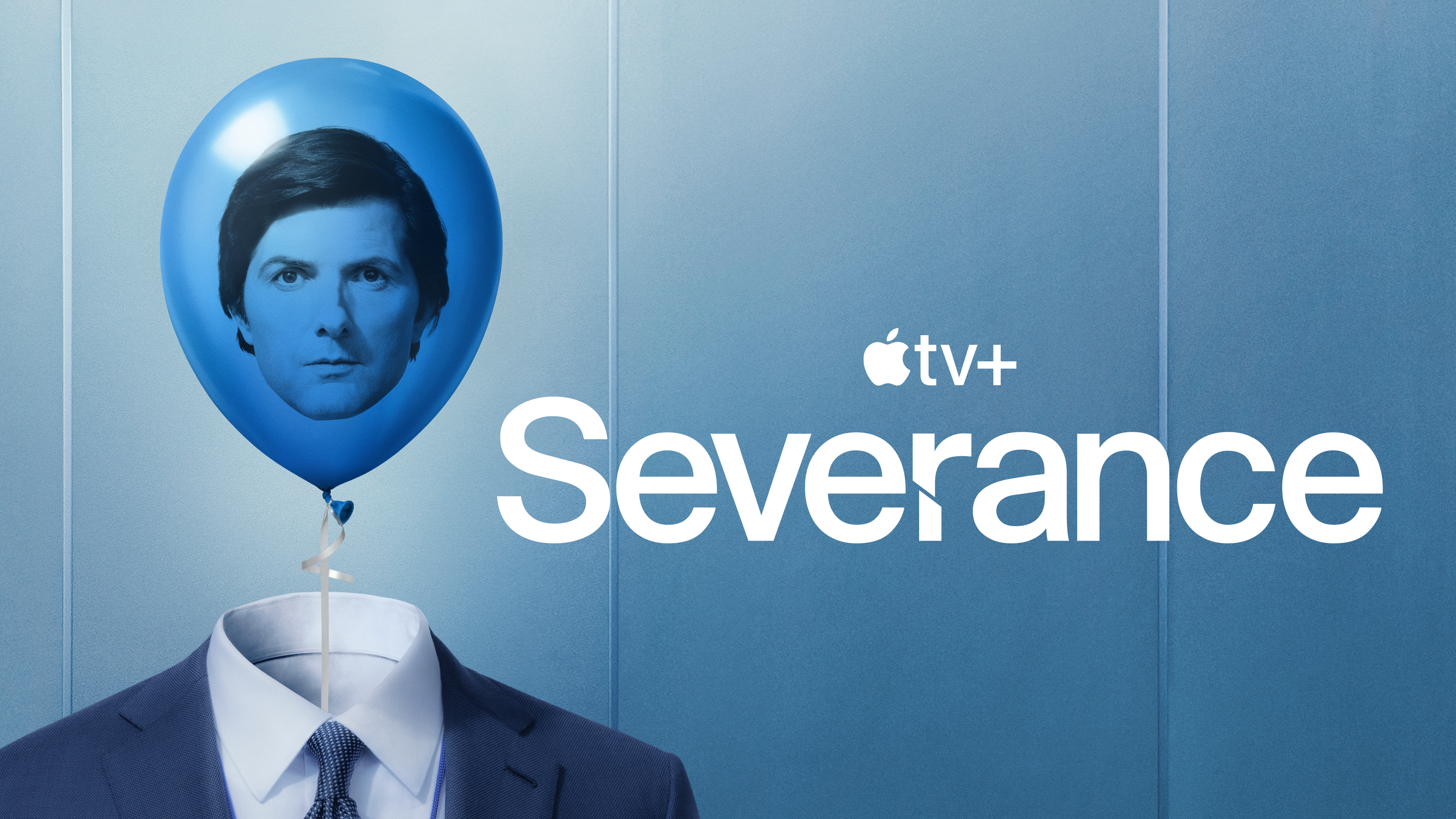
An Outie’s Perspective: If I worked in Comms at Severance’s Lumon Industries

Photo by AppleTV

The wildly popular Apple TV+ series Severance has many of us considering ourselves in the shoes of a so-called “severed” employee. For example, I wonder – what would my “innie” do during her workday at the fictional Lumon Industries?

Spoiler alert – if you have not yet seen the show, the premise centers on an elective surgical procedure to the employee’s brain that separates work and personal life. The severed main characters’ “innies,” or in-office versions of themselves, spend their days behind desks in the Macro Data Refinement Department of a bio-tech company called Lumon Industries.

For me, a public relations professional for Kimball Hughes PR in real life, I would think my “innie” might have some communications expertise to share with Lumon leadership, particularly on the so-called Severed Floor, designed exclusively for innies.

Communication Breakdown

At Lumon, when innies ask why they do the work they do, they are told, “The work is very important and mysterious.” The lack of transparency provided by leadership fuels the innies’ curiosity to learn more about what is really going on and results in a growing distrust of management.

As professional communicators, we always advise our clients to be transparent in both internal and external communications. In internal communications, conveniently leaving out key details or worse, lying about events or covering up incidents, can build distrust, chip away at employee morale and lead to quiet or actual quitting. Communication from the top can be a critical aspect of strengthening the company’s reputation and the trust of employees as well. At Lumon, the board communicates mysteriously through a retro public announcement-like system in a way that no one but the board’s translator can hear or understand.

Leadership should set the bar in a corporate structure and they should lead by their own actions to inspire others. Management should make it a priority to be present, relatable and accessible. For example, if a company is encouraging teams to volunteer and engage in charitable giving, leadership should step up to the plate to motivate others. If leadership is implementing a return-to-office mandate, leadership should be onsite as well and ensure they are relaying clear reasons for how the mandate will benefit the company, as well as its employees – beyond perks, like new coffee flavors or the occasional Music Dance Experience (IYKYK).

A Lesson in Crisis Management

While every Severance episode seems to present a slew of crises, the Lumon Industries PR team (assuming the fictitious company has one) was likely engaged for crisis communications services when (another spoiler alert) the innies escaped to see how their outies live at the end of Season 1.

When the main character Mark S. returns to the Severed Floor at the start of Season 2, his manager, Mr. Milchick parrots a company narrative about the innies’ escape. He explained the incident led the innies to be named heroes, inspired a review of the treatment of severed employees and resulted in a series of reforms – complete with a newspaper article and an animated internal comms video.

The Lumon PR team may deserve credit for seemingly responding to the situation proactively by engaging the media and creating messaging, but, from a professional communications perspective, it was certainly lacking. The Lumon team manufactured untruthful messaging in an elaborate effort to spin their way out of the predicament. Likely, they did not have a comprehensive crisis communications plan in place – a best practice for any business owner.

Instead, the Lumon team should have followed crisis communications best practices that center on collecting facts related to the situation and following a pre-designed plan for leadership that can help deter people from acting rashly on emotion in a crisis. Lumon leadership should not have created messaging and collateral around a lie, but instead around fact-based messaging.

Anyone who has seen the show, sees countless parallels between the fictional Lumon world and the traditional corporate workplace. Aside from the more obvious light the show shines on work-life-balance and corporate culture, it also presents a case study on corporate communications, mostly on what to avoid.

Communication Through the Wildfire Crisis – What Should and Should Not Be Said

The wildfires raging just outside of Los Angeles have burned at least 63 square miles, done an estimated $135 billion in property damage and have claimed at least 25 lives. During crises of this magnitude, it is normal for many to express sympathy online and offer support. We have seen countless positive examples recently. Some take the opportunity to call attention to nonprofits and acknowledge first responders. Others keep their message focused on their industry, community or domain of expertise to help their audiences cope.

Kimball Hughes PR has heard from organizations that wanted to comment amid this recent crisis but were also concerned about appearing opportunistic or insensitive. For those who have similar concerns, we offer the following advice:

Keep your audience in mind

While commenting on breaking news is one way to ensure your comments are timely, it has the potential to backfire.

For instance, imagine you run a business that supports the education of children in distressed municipalities. You could share your support for first responders fighting the Los Angeles fires, but your audience likely cares more about children and education. They may express support for your comments, but unless your business is in the Los Angeles area, your post will just be a drop in an ocean of online support. You may fail to distinguish your message or make a meaningful contribution to your audience. Worse, it could look like you are taking advantage of a tragedy.

Instead, consider addressing how the fire will be impacting children in Los Angeles or how the crisis may negatively impact future efforts to support disadvantaged children in the area. Better yet, mobilize your community to do something that supports your cause while also supporting the children impacted by these fires.

Have a call to action

Audiences have moved beyond statements of thoughts and prayers in times of crisis. They want to see action. If you are compelled to comment on major events, ensure there is a call to action that is both socially sensitive and beneficial to those impacted. Post links to non-profits working to end the crisis and encourage your community to donate or offer support.

Beyond being a force for good, there is a communications angle to consider.  There are countless examples of brands and influencers being put on blast for appearing to leverage tragedy for personal gain. Ensure your efforts in such instances contribute rather than distract or merely add to countless other voices. Be sure your comments support a cause or help mobilize support among your audiences.

It’s not about you, unless it is

When keeping your audience in mind, it’s possible to go too far.  We saw this in 2024 after Hurricane Helene decimated Ashville, North Carolina. Political pundits on both sides of the aisle used the storm as a talking point during a hot election season. In some cases, this led to a cycle of cynicism— with each commentor calling out the prior’s biases and accusing them of using the crisis for their own gain. This month, we are seeing more of the same as pundits condemn California’s regulatory environment. Polarizing comments like these only serve to divide communities and distract from helping victims.

But what if you are directly harmed by a crisis? In this instance, it is of course acceptable to talk about yourself and how the crisis is impacting you — within reason. The line between sharing your perspective and getting on a soapbox is thin. It can be easy to forget others affected by a crisis when you are impacted as well.

Crises —especially natural disasters —raise the stakes for all involved or adjacent to the incident, but the fear of backlash should not stop someone from using their platform as a force for good. By keeping your audience in mind, using your voice as a force for good and staying focused on those impacted, you can both add value to the discussion of the crisis as well as be a force helping to end it.

Keys to Boosting Brand Awareness in 2025: Embrace New Media

While you contemplate adding extra protein and strength training to your weight loss plans for 2025, why not consider adding new media and video to your company’s communications strategies?

A turn of the calendar to a new year presents an ideal opportunity to not only consider weight loss and exercise, but to evaluate business strategies as well – both successful and failed strategies. In public relations, as with many other industries, this new year refresh or reinvention beckons us to consider the latest trends and undertake new initiatives to continually boost brand awareness in the year ahead.

This time of year is replete with industry experts offering outlooks on what we can expect in the year ahead. And while traditional PR tactics, like contributed articles to well-respected outlets continue to carry weight, we are increasingly seeing good PR pros encouraging industry pundits to take on new platforms or new features of existing platforms to share their views, including – LinkedIn Live, LinkedIn Newsletters, TikTok, and new X competitor Blue Sky, among others.

Depending on the audience targeted, each platform can yield considerable results for company leaders who offer original, valuable and educational content. Leaders who want to boost their brand’s visibility in 2025 should consider the following new media:

  • LinkedIn Lives – In 2025, we will continue to see savvy thought leaders connect with their audiences through LinkedIn’s event-hosting platform LinkedIn Live. LinkedIn Lives are becoming increasingly popular for the platform’s ability to host live events with a casual feel – with one or multiple speakers, while engaging and interacting with the audience through a live chat function.

The tool markets itself in many ways as the event can easily be promoted among LinkedIn followers of the company page or the individual hosting the event. Followers will receive notifications about the event, as well as when it goes live. Moreover, any form of video in social media tends to generate higher levels of engagement than written content alone.

In the insurance space, digital marketing and transformation guru Ema Roloff has seen tremendous success with this resource, gathering roughly 1,600 registrations for an insurance predictions and trends event in late 2024. She hopes to do the same and more this year ahead of her Insurance Trends to Watch for 2025 event Dec. 17.

  • LinkedIn Newsletters – As LinkedIn continues to flex its authority as the social platform for business professionals, its newsletter function has also become increasingly popular for sharing thought leadership and other educational, nonpromotional content. LinkedIn claims it has seen a 59% increase in people publishing newsletter articles and a 47% rate increase in engagement. The platform claims more than 184,000 newsletters published. Once published, these newsletters invite your connections and followers automatically to subscribe so they are notified each time you publish with an in-app and email notification. Another perk – the success of your content is easily measurable through LinkedIn analytics.
  • Tik Tok – While Tik Tok has primarily been a successful B2C tool, we are now seeing the platform used more frequently for B2B engagement. In fact, Roloff has told us, her B2B Tik Tok videos on digital marketing in insurance have attracted more than one million views. We’ve been hearing for years that video content is essential for business communications, and Tik Tok proves the point and should not be overlooked in 2025.
  • BlueSky – As some look to move away from X, the app Bluesky, which bills itself as “an open foundation for the social internet” has been gaining popularity. In fact, BlueSky just reported crossing the 15 million user mark. As audiences flock to newer platforms like Bluesky and Meta’s Threads, business leaders will want to take note to ensure they are meeting their customers where they are.

To understand new media available to your business and what might be right for you, work with a communications specialist or agency that understands your business objectives, your audiences and the new media that can deliver on those objectives and audiences. Technology and AI are quickly changing how we do business, as well as how we communicate and interact with each other and prospects. Don’t get left behind.

Communicating with Sensitivity in the Holiday Season: A guide for home and office

We’re all worried about it. At this time of year everyone gathers. Linda brings up the election. Todd starts mansplaining. Rarely is there a workplace holiday gathering or end-of-year meeting where sensitive issues don’t come up. Oh, wait. You thought I was talking about holidays with the family?

Whether it’s bringing together far-flung (and far right and far left) relatives or just the company holiday party, some basic rules of the road apply to help you navigate both with grace, wit and diplomacy.

Know Your Audience

Spend enough time with anyone and you know what buttons to push and what reactions to expect. Keeping these in mind can avoid disaster.

  • Holiday Meals: Aunt Linda’s wine-soaked stories can venture into uncomfortable territory, while Cousin Todd is ready to challenge you on everything. Don’t engage. Instead, start light. “Please pass the rolls” is a safe opening that builds rapport and may only offend the gluten-free wing of the family.
  • Work Communications: When your boss is a bottom-line kind of executive or you have colleagues who need a little extra communication fluff to avoid shattered nerves, tailor your tone and content accordingly. When in doubt, lead with data and empathy. “Here’s the situation and my suggestions for how we can handle it.”

Address Conflict Strategically

Conflict is part of the human experience, but it doesn’t have to become a distraction from the mission of your gathering.

  • Holiday Meals: Avoid inflammatory topics like politics, religion, and Tofurkey. Instead, take the middle ground by spreading good cheer. Compliment the chef, celebrate Grandma’s bedazzled holiday sweater and admire your nephew’s alpaca-like hair style.
  • Work Communications: Take a beat before responding to a tense email or comment. Employ diplomacy by acknowledging a colleague’s concern, but stay solutions focused. “I understand your concerns. Let me clarify what I meant so we can find a solution together.”

Manage Expectations

Clarifying both your expectations and what you can offer helps to avoid misinterpretation. Clarifying your position without offending others can be achieved.

  • Holiday Meals: Stating you are stepping outside to “get some air” can be loosely interpreted to mean you’re taking a moment to avoid listening to Uncle Ernie (who no one invited) go on about how things were so much better in his day and how the world is going to hell in a handbasket now.
  • Work Communications: Be explicit about deadlines, deliverables and resources, especially during the holiday season. Doing so early helps avoid miscommunication. And push back when necessary, stating something along the lines of “I’d love to prioritize this, but I need more clarity/resources/time to do so.” Remember, no one appreciates it when someone over promises and under delivers.

Exit Gracefully

When things become untenable or you feel there is little benefit in continuing to be part of the situation, know how to leave without burning bridges.

  • Holiday Meals: Deploy a helpful excuse like promising to help in the kitchen or needing to get home to check on your pet that you’ve never mentioned and may not, in fact, actually have.
  • Work Communications: Politely steer the meeting toward a conclusion with positive words to the effect of “It seems we’ve aligned on the main points. We can regroup on the details in our next update.”

The secret to any family or work gathering at the end of the year is the same: navigate the situation with empathy, a little humor and as much tact as you can muster. To do so:

  • Listen more than you speak
  • Breath before you respond
  • Find humor where you can, but not at someone else’s expense

Applied successfully, you will navigate this season of full-contact family dynamics and stress-inducing end-of-year business, leaving everyone convinced of your manifest diplomatic skills while creating or contributing to as few moments of holiday drama as possible.

Wicked-ly Long: How long-form content can be valuable with the right message and strategy

As the highly anticipated film adaptation of Wicked the Musical hits box offices worldwide this weekend, audiences are eager to see how director Jon M. Chu will bring the story to life. In April 2022, it was revealed that the adaptation would be released as two films, split by the first and second acts of the stage show. And in September 2023, it was announced that the first installment would run a whopping two hours and forty minutes—longer than the total runtime of the original production.

In an age dominated by digital media, we’ve been repeatedly told that attention spans are shrinking. The American Psychological Association reports that the average attention span has dropped from 12 seconds in 2000 to just 8.25 seconds in 2024. Yet, some of the most successful Hollywood blockbusters in recent years have defied this trend with above-average runtimes. While advances in technology and more sophisticated storytelling techniques may be contributing to audience engagement, society’s willingness to embrace long-form content challenges our understanding of how people consume media. Not only are audiences willing to sit through extended films—they anticipate them for months, buy merchandise, participate in online discussions and pack theaters in record numbers.

There are countless reasons why audiences become deeply invested in a story, and it’s undeniable that films like Wicked, Avatar, Oppenheimer and Avengers: Endgame benefit from unfathomable marketing budgets. However, a valuable communications lesson can be mined from the success of these blockbusters: when people perceive something as valuable, they’ll make the time to consume it.

Will anyone read it?

This lesson extends beyond films to written content, such as articles or blogs. Understanding how these mediums have evolved is key. In the 2000s, the average article length ranged from 500 to 800 words. By the 2010s, this figure had grown to roughly 2,000 words. Today, articles are back down to an average of 500–800 words, while blogs often remain closer to 2,000 words. These fluctuations reflect ever-changing factors like algorithm updates and SEO best practices.

Many brands stick rigidly to short-form content, fearing audience fatigue or wasted efforts. However, a strategic mix of short- and long-form content can offer a more comprehensive approach, giving audiences a deeper understanding of a brand’s insights.

What warrants a longer message?

Not every announcement or discussion requires a long-form message. The key is understanding when more depth is necessary and where that depth makes sense. For instance, a general press release announcing a personnel change or new product offering is best kept succinct and easily digestible. Overcomplicating simple announcements risks disengaging readers and the reporters who you hope will cover it as a story.

On the other hand, targeted content—such as a blog or article for an audience with a preliminary understanding of the subject—can benefit from a longer, more detailed explanation. For example, a trade publication or a subscribed site catering to industry professionals may justify a 1,500–2,000-word deep dive that addresses relatable pain points and offers insights on trends.

The critical question to ask is: Who are you talking to? General audiences unfamiliar with industry nuances might struggle with long-form content, while more specialized audiences may appreciate detailed analysis. This is where thought leadership plays a pivotal role. While press releases are typically concise (around 400 words), thought leadership offers companies the opportunity to dive deeper into subject matter and educate, justifying longer formats.

The value of strategic communication

A skilled public relations team can help brands determine the right time, place, and format for their messages. Long-form content can help to humanize a brand’s experts, foster transparency with the public and solidify the brand’s reputation as an industry leader. A well-rounded PR approach that considers various audiences, their preferred methods of information consumption, and the gaps a product or service can address is essential for effective messaging.

Long-form content is not obsolete in today’s digital world, but brands must approach it strategically. And as moviegoers flock to experience the magic of Wicked on the big screen, let it serve as a reminder: audiences will make the time if you make it worth their while.

Public Distrust in the Media is Expanding, But So Are Avenues for Good PR

An integrated approach has long been key to successful public relations campaigns, but as public trust in the media continues to wane, a multi-pronged approach is increasingly important.

An October 2024 survey from Gallup found Americans continue to have record-low trust in the media. According to their findings, just 31% of those surveyed reported “a great deal” or “fair amount” of confidence in the media to report the news “fully and accurately,” compared to 32% last year. Another 36% responded they have no trust in the media. Not surprisingly, these numbers are down dramatically since Gallup began the survey in 1972, when trust in the media hovered around 70%. Since 2018, the percentage of individuals who reported a great deal of confidence in the media has fallen continuously from 45% to 31%.

In this environment, it has become critical to consider PR tools and resources beyond just the media interview. A strategic, multi-faceted approach can be tremendously impactful when it comes to raising awareness for your brand. Introducing additional channels allows you to control your message more than a traditional news story alone.

Thought Leadership

Thought leadership features insights and expertise by industry leaders designed to educate the reader around trends and challenges. This content is not meant to promote or sell.  Thought leadership helps build credibility for organizations and/or the c-suite. Unlike a news article written by a reporter, thought leadership is penned by the executive, or ghost written on their behalf based on the thought leaders thorough interviews with a communications team or PR agency (preferably one staffed by former journalists). This helps ensure the company retains control of the messaging and narrative. Articles are then published by third-parties – typically trade media – or on the owned channels of the organization. Thought leadership is not only attractive to companies looking to build their media profiles, but for editors seeking to fill “pages” as newsrooms continue to shrink.

This education or insight-based content approach is proven to raise awareness. In fact, seven in 10 decisionmakers surveyed by Edelman and LinkedIn for a 2024 report said they are “very likely to think positively” about companies that produce consistent and smart thought leadership. And 67% of decisionmakers and c-suite leaders said thought leadership has led them to “research a product or service they were not previously considering.”

Social Media

Of course, with shrinking newsrooms, have come growing voices on social media. While most companies now have some type of presence on social media, they may not leverage these channels to their full advantage. As distrust in mass media grows, people are turning to social media channels like LinkedIn, X, Facebook, YouTube, TikTok or Instagram.

In its newsletter feature, LinkedIn provides a built-in publishing platform for company leaders – or anyone – to share content that lands faithfully in the inboxes and newsfeeds of their followers and newsletter subscribers each time an article is published. We see increasing value and reach in this particular communications tactic. Again, comms teams must be careful to limit or avoid promotion in this content as readers will likely reject promotional content. However this provides another platform to weigh in on industry trends and consumer issues, as well as educate, while reaching a wide and growing audience.

Social media also allows companies to amplify any published thought leadership on their own social media channels to enhance visibility and further the article’s reach. The publications will often do the same with quality thought leadership published on their platforms.

Owned Media

Finally, other owned media, like blogs continue to be a compelling tool to raise brand awareness and demonstrate expertise as trust in the media declines. A blog, hosted on a company website, that is frequently updated with original content demonstrating your company’s expertise, can also help to raise your profile. White papers, short videos on company-branded YouTube or Vimeo and more can do the same. Again, this content can be circulated across social media to stretch its reach.

Connecting with Today’s News Consumer

While legendary newsman Walter Cronkite may have been known as the “most trusted man in America,” for many American households, today’s news anchors, reporters and editors are not as warmly perceived. Fortunately, as we head into 2025, more options exist for us to see and/or hear the news. People can choose where and how they want to consume their news, and companies will need to continually find new ways to meet them where they want to be met.

A good public relations agency can recommend the best strategies and tactics for your company and that should include a multilayered approach that considers more than media relations.

Share of Voice: Why it Matters and How Your Business Can Stand Out

As we continue to navigate a fluid economic reality, many business leaders are on an ongoing mission to cut costs and justify spending. Endeavors that are immeasurable are frequently the first to go.

Public relations can easily fall into this category. Marketing can too, but the reality is there is no direct, measurable, line from PR to sales. But before company leaders label PR efforts as unquantifiable, they should look to the following data point, which can confirm their message is getting in front of the right audience thanks to their PR and marketing efforts: Share of Voice (SOV).

SOV allows companies to measure their brand awareness, health and visibility against industry competitors. It can be viewed as a measure of potential awareness by your target audience of your business and its branding. SOV is a trackable metric that demonstrates where your business stands among competitors in a given period of time. It can also demonstrate the PR and marketing tactics or messages that were most successful in raising awareness for your brand.  

At the same time, SOV can also provide insight into the most successful PR and marketing tactics of your competitors, giving you an even better idea of what might work for your audience. Further, SOV can point out any potential disconnect between what competitors are talking about and where your business chooses to focus its messaging.

Getting to Know Your Numbers

Calculating the metric is not rocket science. It requires aggregating your company’s media mentions and gathering data on industry competitors and their media mentions from the same points in time. Ideally, you’ll want to measure your SOV and that of your key competitors to get a benchmark before launching a PR campaign. Then, measure again during and after the campaign, to see how your company’s SOV has fared against your competitors.

The results can be eye-opening. We have found our clients see tremendous value in the metric – value they can bring before their board, investors and leadership team to pair with the organization’s overall efforts to achieve critical goals.

For example, at the end of 2022, a global insurtech company reached out to our agency looking to build SOV in the American insurance media market. At the time, they only had a 9.1% SOV and were struggling to breakthrough. Our team studied the approach of their competitors and developed a new, non-promotional PR approach focused on the dynamic personalities and interests of the co-founders and the state of the insurtech and insurance industries more broadly. This approach had a knock-on effect of demonstrating the company had its finger on the pulse of its core audience and their needs.

By avoiding outdated industry topics and blatant self-promotion, focusing on current trends and educating insurtech customers, we were able to secure dozens of media interviews and contributed articles for the company. By the third quarter of 2023 – just 9 months into our engagement – the company had established itself as the dominant voice among its competitors in the insurance media, with an SOV of 77.8%. This growth has corresponded with increased sales numbers and inbound product inquiries.

SOV is a powerful metric.  It can demonstrate the value of a strong, consistent and coordinated public relations campaign in partnership with good marketing. While there still is no direct line from PR to sales, a considerable uptick in SOV demonstrates your message is being broadcast, and if done correctly, it is broadcast to the audience most in need of receiving that message. As year-end planning begins, consider incorporating this metric into your 2025 planning to help make your company the top voice among your competitors.

Recent DEI Shifts Draw Attention to the Importance of Creating, Sticking to Company Brand Values

Last month, Tractor Supply Co. announced a plan to retire all diversity, equity and inclusion (DEI) goals and eliminate all DEI roles at the company. The swift turn away from DEI came in response to a public social media campaign organized to boycott Tractor Supply for their DEI and ESG initiatives and goals.

In today’s social climate, we frequently see businesses pivoting quickly to avoid negative reactions and feedback from customers – whether we’re talking about shifting DEI focus, distancing a brand from a “cancelled” athlete or celebrity or something else. While in some cases, it may make sense to rush to adjust your company’s initiatives based on negative comments or a sudden social movement, some abrupt moves can lead to even more backlash and reputational damage.

Thoughtful planning, strategic thinking and consulting with legal and communications experts can assist your leadership in navigating a situation like this. But one of the best places to start, is to examine your brand values.

What are your brand values?

Brand values are the principles and beliefs of a company that leadership want to project upon consumers. Essentially, these are the key beliefs that guide the operation of the company and consumer perception of a brand. For example, if your business does work in the diversity, equity and inclusion space, then your core values may focus on respect, belonging and creating a culture focused on openness, innovation and handing the ladder down to create a more equitable workplace.

Before coming up with any new programs, creating content, running any media outreach, or organizing a strategic pivot, management should have clearly defined brand values that represent both the company’s goals and growth plans. These values should also align with your target audience and their interests and how you want your company to be viewed by them.

Citing another unfortunate incident in the DEI space, consider the recent controversial decision by the Society for Human Resource Management (SHRM) to remove equity from their DEI strategy. On July 10, SHRM announced it would be moving forward with a focus solely on inclusion and diversity, which came as a surprise to many organization members.

SHRM’s decision was immediately met with intense backlash. Many human resource professionals canceled their SHRM memberships, a petition was started to oppose the decision, and many speakers pulled out of their upcoming conference. Generally, HR executives have found the decision to be disconnected from the core concepts of DEI and feel strongly that SHRM needs an equity-based approach to address workplace issues.

This was a misstep that could have been avoided. SHRM’s data had shown that people were not confident in the direction for progressing certain DEI initiatives. As a result, they ended up pulling back the equity portion. In this decision, they failed to recognize that a large portion of SHRM’s audience is very DEI focused and had been supportive as SHRM played a significant role in expanding DEI efforts across the human resources industry. SHRM’s brand values historically had been aligned with promoting DEI. An abrupt decision to seemingly rewrite their brand values and goals around uncertainty in the direction of the broader DEI movement has led to continued frustration.

Keeping Brand Values in Practice

The loudest voice in the room can be distracting, but leaders need to be careful not to let it be the guiding force behind any decision-making. A company’s brand values should be at the center of any decision. The loudest voice is not always representative of your target audience’s key interests and changing direction rashly without careful thought and professional consultation can lead to reputational damage or ruin.

While society continues to be largely divided on a number of issues, we can likely agree that a decision made in haste without considering your core audience or values, is likely not a smart move.

Before reacting, stop, think and consult with communications professionals. Think: What key messages are we relaying with this move and how will our audience respond?

Public opinion will always shift. That doesn’t mean your brand values should.