Remote work has made for a much more flexible workplace and I’m pleased to say Kimball Hughes PR has allowed me the opportunity to take full advantage. In the past few years, our agency has shared insights on the many benefits of remote work and how it fosters work-life balance and encourages employees to explore their interests and enjoy more time with family and friends while continuing to work.
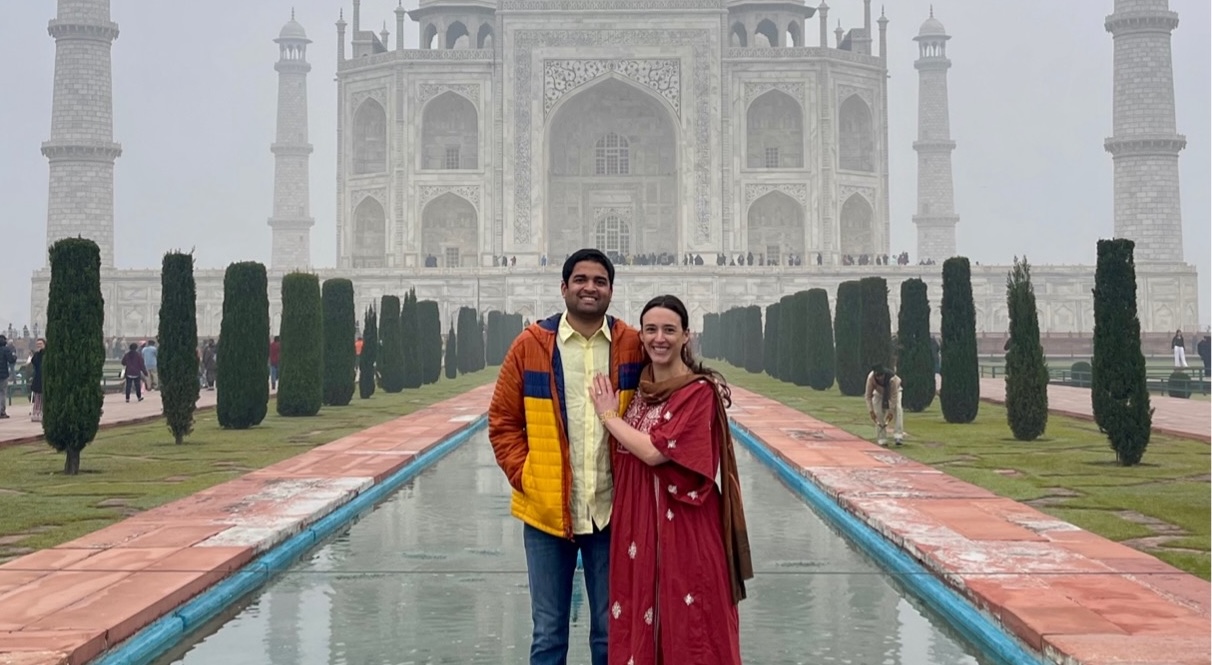
Earlier this month, I traveled to India to work abroad, enjoy some quality family time, sightseeing, and plan a special surprise. Here, I share a look into my experience offering a glimpse into some of the sights and meals I enjoyed during this year’s trip, as well as a special photo capturing my newly announced engagement to my fiancée.
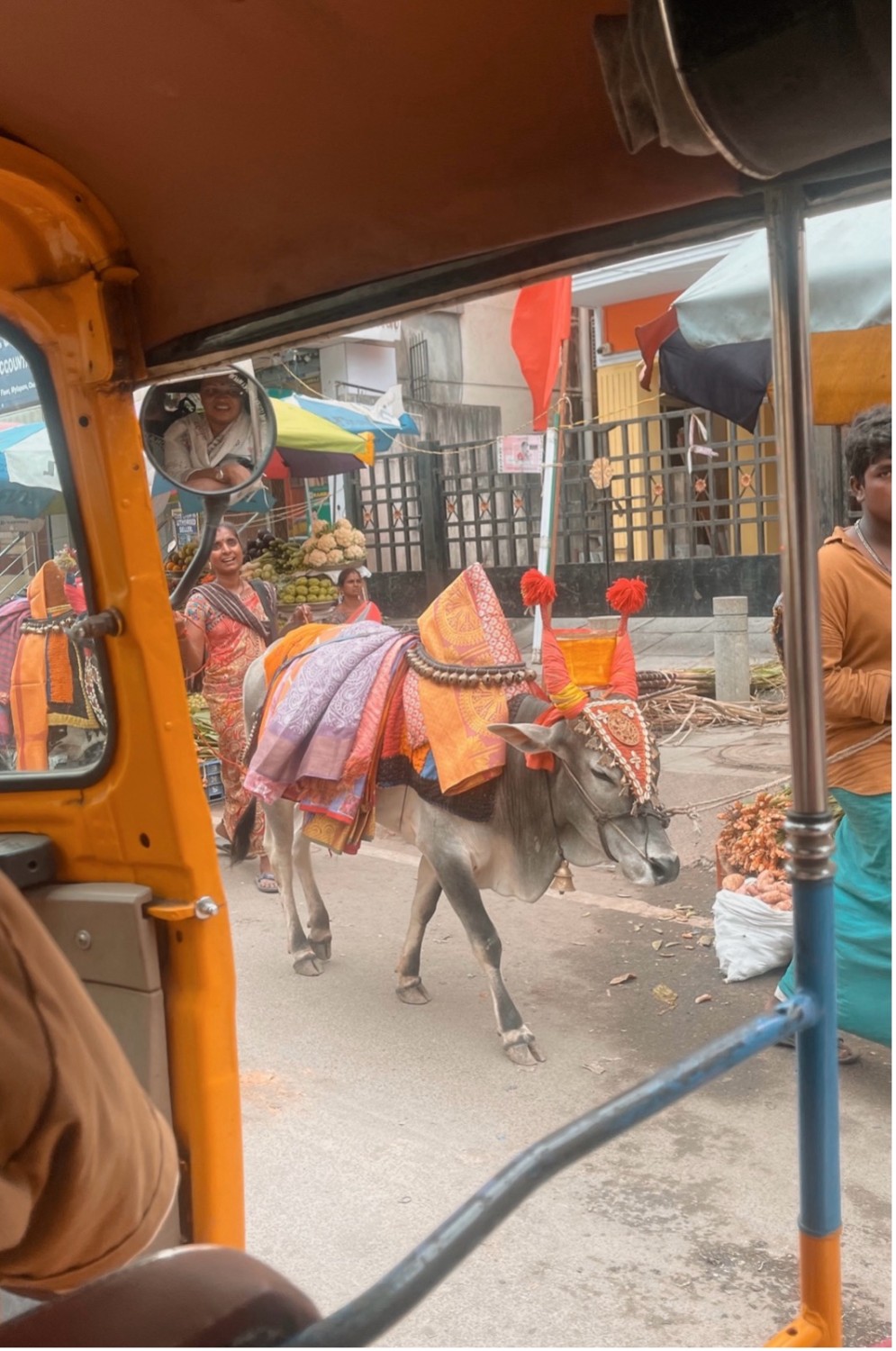
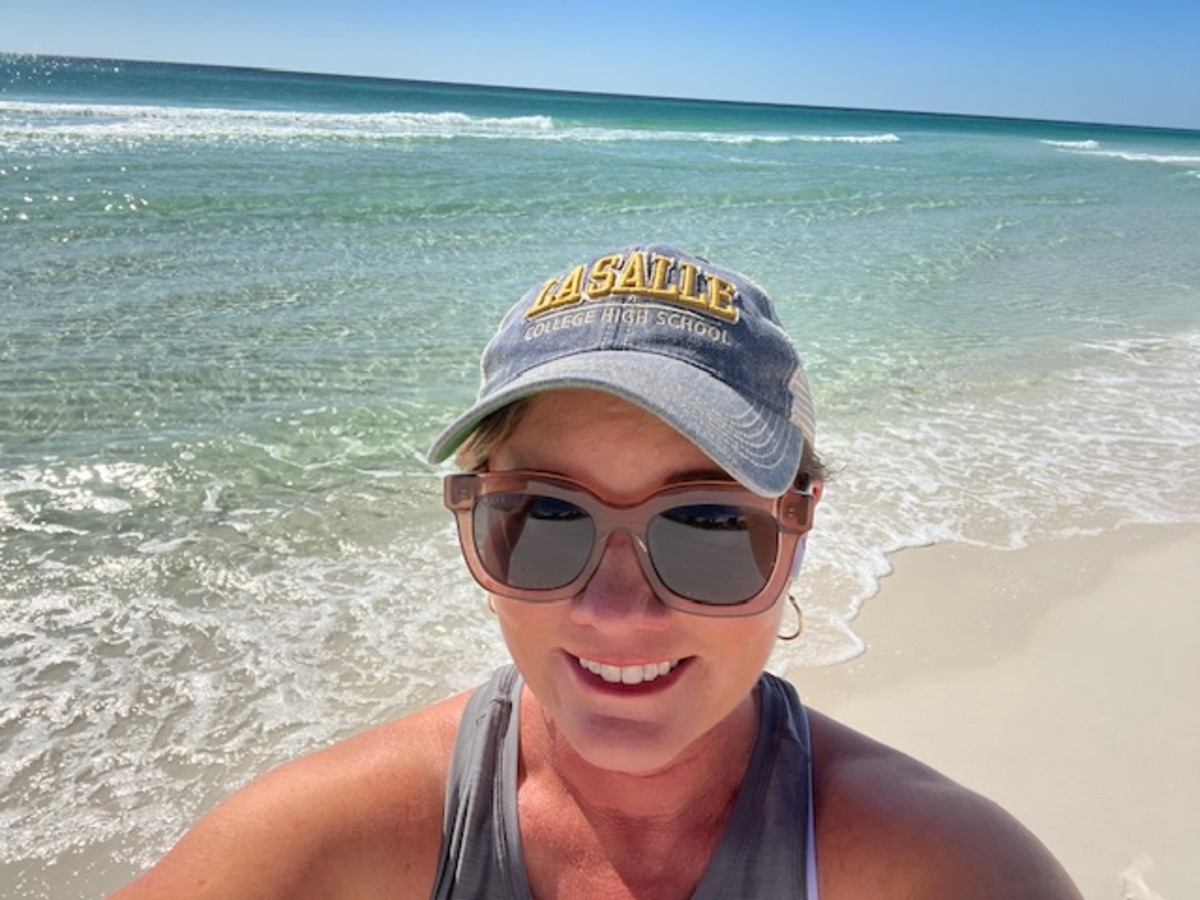
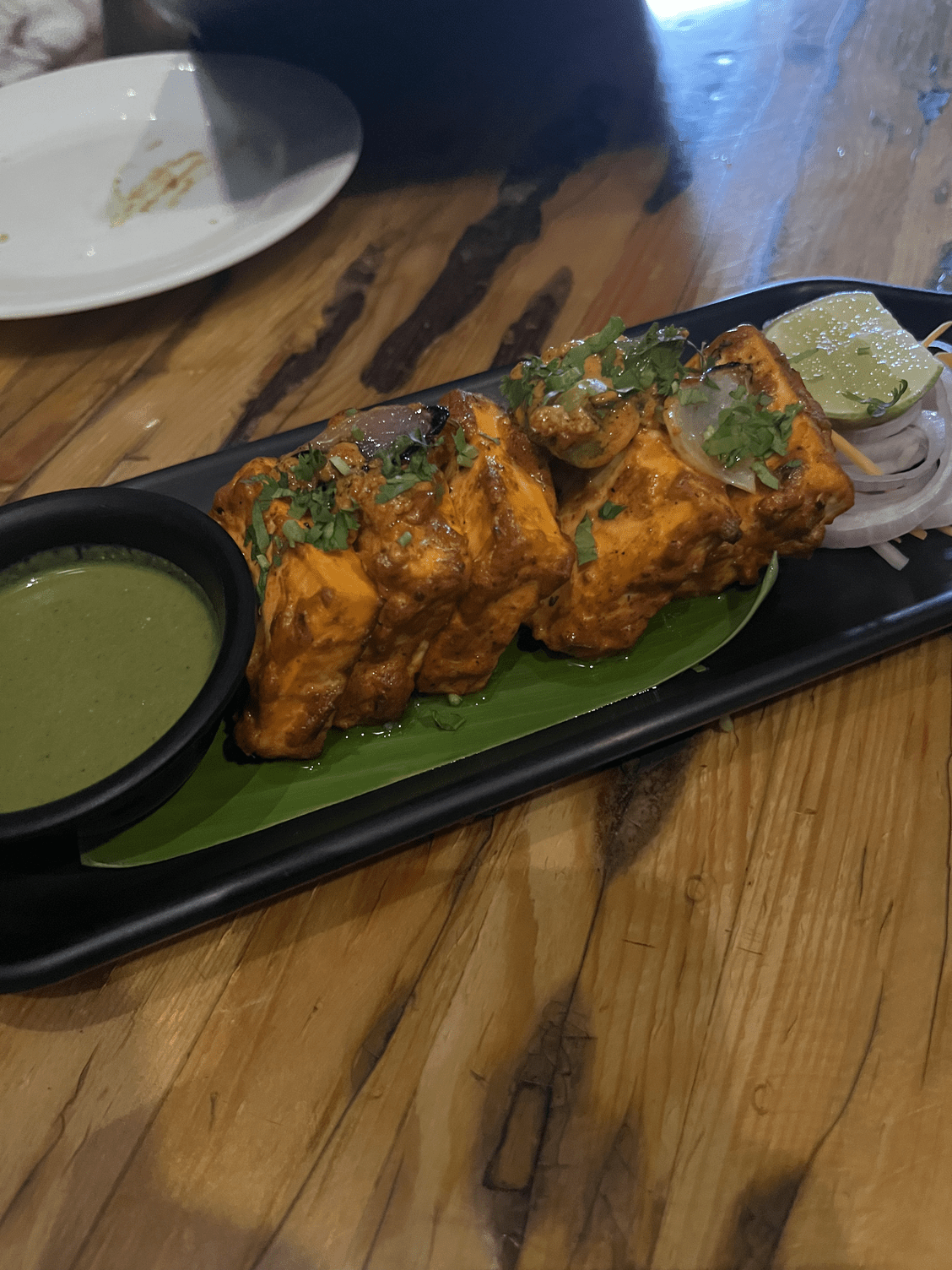
A view of Hawa Mahal, known as the “Palace of Winds” in Jaipur and made of red and pink sandstone.Tourists take rides on elephants as they scale Amber Fort, a fortress built in the 1500’s in Rajasthan.An Indian dinner spread with paneer, rice, garlic naan, lentils and much more.Enjoying a ride on an auto rickshaw, a popular mode of transport in India, alongside some animal friends.While enjoying a stay at the beach with family and friends in Chennai, I proposed to my girlfriend and we officially became engaged to be married.
As we continue to navigate a fluid economic reality, many business leaders are on an ongoing mission to cut costs and justify spending. Endeavors that are immeasurable are frequently the first to go.
Public relations can easily fall into this category. Marketing can too, but the reality is there is no direct, measurable, line from PR to sales. But before company leaders label PR efforts as unquantifiable, they should look to the following data point, which can confirm their message is getting in front of the right audience thanks to their PR and marketing efforts: Share of Voice (SOV).
SOV allows companies to measure their brand awareness, health and visibility against industry competitors. It can be viewed as a measure of potential awareness by your target audience of your business and its branding. SOV is a trackable metric that demonstrates where your business stands among competitors in a given period of time. It can also demonstrate the PR and marketing tactics or messages that were most successful in raising awareness for your brand.
At the same time, SOV can also provide insight into the most successful PR and marketing tactics of your competitors, giving you an even better idea of what might work for your audience. Further, SOV can point out any potential disconnect between what competitors are talking about and where your business chooses to focus its messaging.
Getting to Know Your Numbers
Calculating the metric is not rocket science. It requires aggregating your company’s media mentions and gathering data on industry competitors and their media mentions from the same points in time. Ideally, you’ll want to measure your SOV and that of your key competitors to get a benchmark before launching a PR campaign. Then, measure again during and after the campaign, to see how your company’s SOV has fared against your competitors.
The results can be eye-opening. We have found our clients see tremendous value in the metric – value they can bring before their board, investors and leadership team to pair with the organization’s overall efforts to achieve critical goals.
For example, at the end of 2022, a global insurtech company reached out to our agency looking to build SOV in the American insurance media market. At the time, they only had a 9.1% SOV and were struggling to breakthrough. Our team studied the approach of their competitors and developed a new, non-promotional PR approach focused on the dynamic personalities and interests of the co-founders and the state of the insurtech and insurance industries more broadly. This approach had a knock-on effect of demonstrating the company had its finger on the pulse of its core audience and their needs.
By avoiding outdated industry topics and blatant self-promotion, focusing on current trends and educating insurtech customers, we were able to secure dozens of media interviews and contributed articles for the company. By the third quarter of 2023 – just 9 months into our engagement – the company had established itself as the dominant voice among its competitors in the insurance media, with an SOV of 77.8%. This growth has corresponded with increased sales numbers and inbound product inquiries.
SOV is a powerful metric. It can demonstrate the value of a strong, consistent and coordinated public relations campaign in partnership with good marketing. While there still is no direct line from PR to sales, a considerable uptick in SOV demonstrates your message is being broadcast, and if done correctly, it is broadcast to the audience most in need of receiving that message. As year-end planning begins, consider incorporating this metric into your 2025 planning to help make your company the top voice among your competitors.
Last month, Tractor Supply Co. announced a plan to retire all diversity, equity and inclusion (DEI) goals and eliminate all DEI roles at the company. The swift turn away from DEI came in response to a public social media campaign organized to boycott Tractor Supply for their DEI and ESG initiatives and goals.
In today’s social climate, we frequently see businesses pivoting quickly to avoid negative reactions and feedback from customers – whether we’re talking about shifting DEI focus, distancing a brand from a “cancelled” athlete or celebrity or something else. While in some cases, it may make sense to rush to adjust your company’s initiatives based on negative comments or a sudden social movement, some abrupt moves can lead to even more backlash and reputational damage.
Thoughtful planning, strategic thinking and consulting with legal and communications experts can assist your leadership in navigating a situation like this. But one of the best places to start, is to examine your brand values.
What are your brand values?
Brand values are the principles and beliefs of a company that leadership want to project upon consumers. Essentially, these are the key beliefs that guide the operation of the company and consumer perception of a brand. For example, if your business does work in the diversity, equity and inclusion space, then your core values may focus on respect, belonging and creating a culture focused on openness, innovation and handing the ladder down to create a more equitable workplace.
Before coming up with any new programs, creating content, running any media outreach, or organizing a strategic pivot, management should have clearly defined brand values that represent both the company’s goals and growth plans. These values should also align with your target audience and their interests and how you want your company to be viewed by them.
Citing another unfortunate incident in the DEI space, consider the recent controversial decision by the Society for Human Resource Management (SHRM) to remove equity from their DEI strategy. On July 10, SHRM announced it would be moving forward with a focus solely on inclusion and diversity, which came as a surprise to many organization members.
SHRM’s decision was immediately met with intense backlash. Many human resource professionals canceled their SHRM memberships, a petition was started to oppose the decision, and many speakers pulled out of their upcoming conference. Generally, HR executives have found the decision to be disconnected from the core concepts of DEI and feel strongly that SHRM needs an equity-based approach to address workplace issues.
This was a misstep that could have been avoided. SHRM’s data had shown that people were not confident in the direction for progressing certain DEI initiatives. As a result, they ended up pulling back the equity portion. In this decision, they failed to recognize that a large portion of SHRM’s audience is very DEI focused and had been supportive as SHRM played a significant role in expanding DEI efforts across the human resources industry. SHRM’s brand values historically had been aligned with promoting DEI. An abrupt decision to seemingly rewrite their brand values and goals around uncertainty in the direction of the broader DEI movement has led to continued frustration.
Keeping Brand Values in Practice
The loudest voice in the room can be distracting, but leaders need to be careful not to let it be the guiding force behind any decision-making. A company’s brand values should be at the center of any decision. The loudest voice is not always representative of your target audience’s key interests and changing direction rashly without careful thought and professional consultation can lead to reputational damage or ruin.
While society continues to be largely divided on a number of issues, we can likely agree that a decision made in haste without considering your core audience or values, is likely not a smart move.
Before reacting, stop, think and consult with communications professionals. Think: What key messages are we relaying with this move and how will our audience respond?
Public opinion will always shift. That doesn’t mean your brand values should.
We have found philanthropic activities like this not only support charitable causes, but they also enhance our employee culture, team morale, and bring us closer together. As professional communicators, we’re always striving to find the best channels for our clients to use to reach their target audiences. In a new age of remote work, channels of internal communications are changing and we’ve found one of the best ways to communicate and deepen relationships with colleagues is to work together for social good.
As we’ve all heard, giving back and volunteerism have become core tenets of businesses across industries in recent years. There is a clear business case for philanthropy, as the next generation of workers have a clear interest in working at businesses that back up their values with action. Further, recent studies have shown that customer loyalty may improve at socially responsible businesses.
We believe giving back and volunteering events that emphasize collaboration and bringing communities together find more engagement.
Our client Pennsylvania Lumbermens Mutual Insurance Company (PLM) is also getting fit and having fun while building comradery among team members and raising funds for vulnerable children and communities. Each spring, employees form a team for the Insurance Softball League of Philadelphia, which raises money for local nonprofits while gathering regional insurers for friendly softball competition. Employees have the opportunity to get to know each other outside the office, get a little exercise and breath in fresh air while helping those in need.
With the IICF Step Up challenge, employees, friends and families in and around the insurance industry can form a team and compete with one another in a fitness challenge, measuring their steps, pedal strokes, sit-ups and virtually any other activity against the teams of other companies. Kimball Hughes PR is proud to have been a part of Step Up for the past five years and we have enjoyed learning more about each team member along the way – whether it’s a penchant for morning dog walks, an after-work jog, a Peloton ride or hike through the woods.
Consider reigniting company culture with a collaborative philanthropic initiative this Spring. We’re having a blast. Check out our progress so far here:
April marks Distracted Driving Awareness Month, which has been a top priority for those working with fleets or auto insurance for the past few decades, and for good reason. In fact, in 2022 alone, the National Highway Traffic Safety Administration reported 3,308 deaths from distracted driving. While awareness is rising, continued communications and solid messaging will be key in continuing to curb distracted driving.
As a leading voice to both commercial and personal auto policyholders, insurers play a valuable role in promoting safe driving practices and keeping our roadways safe. Reducing the number of incidents, injuries and fatalities remains the primary mission of many insurers who are combating this issue. There is also a business case to be made for reducing the number of potential claims an insurer may face by encouraging safe driving habits. Many insurers have made an impact with creative campaigns that not only get attention but drive change.
A campaign should account for various factors including the type of audience and what materials will be most successful in reaching that audience. Below are a few successful campaigns to consider as a guide:
Tapping into Emotion: The Travelers Institute has targeted and addressed distracted driving since 2017 through their Every Second Matters® campaign.
What sets Travelers’ campaign apart is their tailored messaging. A successful campaign needs to reach many audiences. This campaign has detailed resources and data that showcase the types of distractions drivers may encounter, how these distractions can manifest into unsafe driving behaviors and what an accident could cost.
A good campaign is designed to connect with a range of audiences. A new generation is getting behind the wheel, and insurers need to reach them as well. Every Second Matters targets young drivers through an awareness campaign acknowledging the victims of distracted driving. This campaign looks at the unfinished stories of distracted driving victims. Emotionally appealing to the next generation may be a more successful tactic for reaching this audience than a data-based approach.
Taking the Public’s Temperature: Nationwide has a different approach to promoting public safety. In addition to offering a deep array of distracted driving resources, including a guide for addressing teen distracted driving and an article sharing a unique range of insights on misconceptions around distracted driving, they focus their efforts on surveying the public.
Annually, Nationwide conducts a survey observing driver behaviors and identifying concerning trends. The findings from this survey are then aggregated in a press release which Nationwide distributes over the newswire and promotes over social media. Data from their latest survey was just released and showcases how distracted driving continues to persist as a major threat.
Providing Resources: Progressive’s driver safety hub has a comprehensive set of articles focused on distracted driving. They cover dangerous driving habits, cell phone safety on the road, different forms of distracted driving and much more. They also highlight the latest technology in the field, such as driver monitoring technology that could help limit distracted driving incidents. As these articles are released, Progressive links to them on social media to raise awareness around the subject matter.
These insurers have found success with their distracted driving messaging because they developed detailed and informative materials that reached and addressed a wide range of audiences. In addition to considering the audience, a powerful campaign will provide a wide range of resources and tools, such as data, examples and case studies and more.
The Elements of a Good Campaign
What are the key elements of a strong campaign to raise public awareness? Implementing the right tactical approach is essential. A press release distributed the right way is an effective method to get the word out that your business is running a campaign, so people know where to look for resources. Both digital and physical articles and brochures are ideal materials to start with. Pennsylvania Lumbermens Mutual Insurance Company (PLM), for example, offers an entire section of their website dedicated to downloadable auto safety materials, including distracted driving.
Other tactics vary based on the campaign. In some cases, an advertising campaign may be a good tactic to reach the widest range of people. The Ad Council has seen success with this type of work on distracted driving in recent years, as their advertisements have showcased the dangers and cost of distracted driving. An op-ed piece can be a great tool for expressing concerns about a public safety issue more freely and with as much detail as needed. When dealing with a timelier issue, newsjacking and keeping an eye on breaking news stories can be an effective tactic as well.
Business owners, insurers in this case, have the power to guide change on major public safety issues like distracted driving but need the right tools to do so. A well-planned campaign with the right tactics to address the general public is key. Taking the time to consider your audience and what types of messaging you include can be the key to a good public safety campaign.
Earlier this month, we shared a blog about remote work and travel. Here, PR Manager Hari Rajagopalan shares some photos of some of the interesting food and sights he saw while working in India this year.
A stuffed, pesto marinated paneer steak with onions and spices on a bed of roasted potatoes and arrabbiata sauce.
A view of a restaurant center in Bengaluru, India.
An Indian take on a deep-dish pizza with veggies and a burrata bomb on top.
A view of nearby buildings and nature in Bengaluru, India.
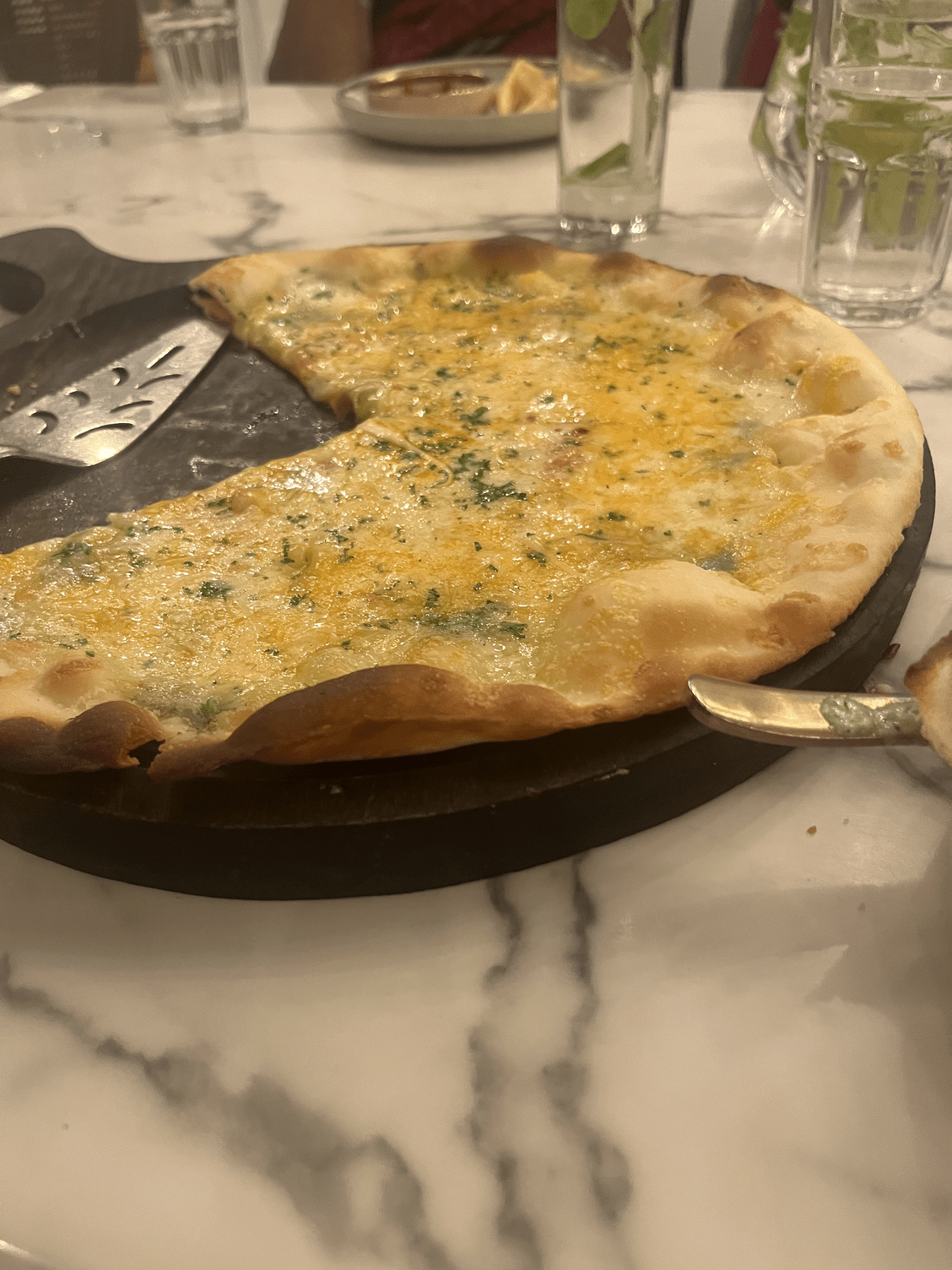
A quattro formaggi pizza with an Indian twist, with a range of spices included.
Earlier this year, I had the opportunity to work from India where much of my family currently resides. This made for a refreshing shift in day-to-day work, as on any given call, I could be speaking with someone just starting their day while managing a snowstorm outside for example, while in India, the sun would just be setting on another warm day.
While there were challenges, such as navigating the 10.5-hour time difference, the experience allowed me to continue delivering my work to clients while being able to spend quality time with family and friends whom I do not get to see often. This was all possible because of remote work.
Despite the continued return to office push from many businesses, remote work does not appear to be going anywhere anytime soon. Data from Buffer found 98% of workers want to work remotely at least some of the time. According to Upwork, by 2025 approximately 22% of the workforce will be working remotely.
This rethinking of where work happens has become a core component of the future of business because of the flexibility and convenience it offers. While there are some aspects of the in-person experience we may miss, such as the classic water cooler conversations or conference room meetings, that incredible flexibility and convenience found only in the remote work experience tends to make up the difference. In fact, the same study from Buffer determined that remote workers have found it easier to accomplish more focused work, manage stress and avoid common workplace distractions.
At Kimball Hughes Public Relations, we were already set up to work remotely as needed before the pandemic. In our business, you have to be able to work from anywhere, be it the back of a hotel ballroom or your kitchen table. So, when businesses shut down in early 2020, we were prepared. Staying a fully remote company has given our team several opportunities to further develop our professional careers while also pursuing personal endeavors. For me, the best part of a fully remote workplace has been the ability to travel and work concurrently.
Working on the Road
Since our agency transitioned to a virtual environment, I have had the opportunity to work while traveling through different states, countries, time zones and even continents. My laptop joined me while visiting destinations near and far from my homebase in Philadelphia to North Carolina, Massachusetts, Illinois, Florida, California, Mexico, France and India. The flexibility of the remote workplace allowed me to bring my job on the road, working with journalists and leading client Zoom meetings all while experiencing new geographies and cultures and visiting family and friends.
The ability to combine work and travel makes for a more interesting, diverse work-life balance and has served to elevate my engagement with my work. That said, working from the road does require some adjustments. Below are some best practices I recommend considering before attempting to combine business and leisure travel:
Plan Ahead: Several weeks before any travel, compile a list of upcoming and ongoing work projects. Share this list with team members and continue updating the list until the date of departure. Similarly, make sure to keep other team members copied on all client communications. Team members should also be looped in on any client meetings so they can assist in case of any issues. This way, in the event of any technical difficulties, coworkers can jump in and cover as needed.
Consider Time Zones: Time differences can be difficult to manage. Whether it’s a three-hour time difference working from California or 10.5 hours from the family living room in India compared to the location of work colleagues or clients, proper time planning is key to ensuring you don’t miss meetings, deadlines or experience burnout from working different hours. Work with your supervisor ahead of time to develop a schedule that will enable you to enjoy your travels while contributing to your team and completing your work.
Manage Your Time: Managing a longer time difference can be difficult, as your work hours may bleed into the evening, complicating sleep and the time you may like to spend with family, friends or exploring. Proactively building out a schedule can be very helpful. Ahead of my trip to India, I planned out times where I would step away from the computer to go out to dinner, spend time with family, or even just go for a long walk, and communicated these plans with my team. On days where I was particularly exhausted, I also reached out to team members to see if they could cover me on certain projects while I took a quick rest. Open communication and proactive planning can make it much easier to enjoy travel while working.
Have the Right Technology: Traveling internationally can create additional challenges to consider. Ensure you have the right technology and adaptors on hand to continue work. This could include purchasing international data or a local SIM card or reaching out to your contacts at your destinations to confirm they have adequate internet for regular video calls, and more.
The flexibility remote work provides can be invaluable. We can travel, extend trips, and no longer have to choose between asking for time off for a beach trip with friends or a visit to see family. With proper planning, remote work can introduce travel opportunities that can lead not only to an improved work-life balance, but renewed interest in the work you do.
November kicks off the busy holiday travel season and a month of travel it certainly was for the Kimball Hughes Public Relations team. Our colleagues visited Las Vegas, Chicago, Hollywood Beach, Fla., and more. We enjoyed spending time supporting our clients, speaking at events, attending insightful sessions, catching up with our colleagues in the media and making new connections.
Below are a few takeaways from our November on the road.
Las Vegas
This month, Account Managers James McKinsey and Hari Rajagopalan had the opportunity to join our client at Insurtech Connect Vegas (ITC) 2023, a three-day conference dedicated to discussing the future of insurance and innovation.
One of the industry’s biggest of the year, artificial intelligence (AI) fueled much of the conference discussion. Insurtech and insurance leaders are still attempting to figure out the role of AI in the industry and whether it will truly serve as a disruptor. In fact, one of the most widespread opinions shared throughout the event was that everyone has their own definition of AI, but no one truly knows what it is. We expect AI to be a valuable supplemental tool to insurance businesses, but the industry still is not quite sure of how and where to best utilize this growing technology.
ITC Vegas 2023 also presented a great opportunity to connect with the industry trade press. Reporters from leading insurance organizations including Insurance Journal, National Underwriter, The Insurer, Risk Management, Rough Notes, Digital Insurance and The Institutes were on hand. In our conversations with the media and with various podcasters, we learned there is continued interest in hearing from sources on topics such as the future of work, innovation, AI, climate change and cyber.
Hollywood Beach, FL
Agency President Rod Hughes visited the Sunshine State to speak about crisis communications at the annual meeting of one of our franchise organization clients, as well as to lead two roundtable discussions on the power of public relations to promote new business openings.
As all entrepreneurs know, there are always war stories shared on crises large and small when gathering at these types of events that create teachable moments for others in the audience. A recurring area of concern was online reviews, their impact on the business and the various platform processes and guidelines that can work in a business owner’s favor – when used appropriately – to remove fake, slanderous or otherwise untrue reviews of a business.
Franchisees face myriad demands on their time and attention. Understanding how small things can quickly become big crises, what to look for and how to best manage an existing or potential crisis was information many of these attendees welcomed.
Chicago
This month, Eileen Coyne, agency vice president, had the opportunity to attend the Digital Insurance Women in Insurance Leadership Conference. After enjoying time with the Digital Insurance staff and meeting women leaders from across the industry, she provided two valuable takeaways from speakers related to the challenges that career and homelife present.
Break out of Your Comfort Zone. Joan Woodward, executive of public policy for Travelers and president of the Travelers Institute, captured the room with inspiring and amusing stories from her impressive career journey during the evening awards dinner. She encouraged the audience to embrace the unfamiliar, touching on milestones in her extraordinary career on Capitol Hill, at Goldman Sachs, Travelers and more. She urged the crowd to be bold and willing to try new things.
Expect and Embrace Flexibility.“I have one life and one calendar,” Kathy Krantz, vice president and chief financial officer at Pinnacol, told the women assembled for a panel on decoding leadership DNA. She said, she incorporates all of her work and parent to-dos on one calendar. She explained that many employers are more understanding now about work-life challenges. No longer should we feel a need to hide work-life challenges from the office as we struggle to navigate the multifaceted demands of life and work.
New York City
No itinerary would be complete without a stop in the Big Apple. Eileen Coyne and Hari Rajagopalan had the opportunity to join the Insurance Industry Charitable Foundation at the IICF Northeast Annual Benefit Event in New York City where the nonprofit celebrated another year of giving and volunteerism – a year that saw more than $1 billion in giving industry-wide. IICF gathered leaders from across the insurance industry to celebrate the industry’s efforts, while raising funds for nonprofit grantees in the Northeast region.
It was a wonderful opportunity to cap off and toast an incredible year in charitable giving and volunteerism for the industry that fueled a fun evening of catching up with friends in the insurance media, within the industry, and introduced another chance to make new connections.
With the year nearly wrapped, the team at Kimball Hughes PR would like to express an appreciation for the re-emerging opportunities we have all enjoyed this year enabling us to get together once again in person with colleagues and industry peers. We look forward to seeing many of you on the road again in 2024!
Public relations is all about relationships—the people behind the stories. That’s why we’re offering this blog series all about our team members. This isn’t about our professional accomplishments but who we are as people. We hope you have as much fun reading along as we do interviewing each other.
1. What got you interested in public relations?
I started out my career after graduating from college as a radiologic technologist. After my first child was born, I was a stay-at-home mom to my four children for many years. Our good friends across the street had six kids and they were friends with our kids. In 2007, Gary (the founder of Kimball Hughes PR and our good friend across the street), asked me if I would like to come and work for him. So here I am, 15 years later working in public relations.
2. Tell us about your favorite movie and what appeals most to you about it?
I have always liked movies that Robin Williams has been in and the variety of characters he has played. One of my favorite movies is Mrs. Doubtfire. He is a father who loves his kids and does just about anything to make sure he is a part of their lives each day. Although everything changes within the structure of the family, they were able to come together, compromise and still be a family, just in a different way.
3. What was the last, best book you read and what about it spoke to you?
I like to read mysteries and one author I enjoy is Agatha Christie. Murder on the Orient Express is one of my favorites that takes place on a train that has had to stop due to heavy snow. One of the main characters is detective Hercule Poirot, who appeared in many of Christie’s novels. He is precise with his methods he uses to solve crimes and not shy in letting everyone know.
4. Tell us about a meaningful hobby or “outside of work” commitment that is important to you?
Becoming a mom has been one of the best parts of my life and now I am a grandmother for the first time. My 2-year-old grandson always puts a smile on my face. He has a great personality and is quite the character. I look forward to spending time with him each week.
5. Share a fun fact about you.
I moved to Florida after I got married and my husband signed me up for scuba diving classes without my knowledge. I was very nervous about taking the classes, but I ended up enjoying the lessons and being best in class on my test. I only got to go diving four times, but each time I enjoyed the experience and the beauty under the water.
Thought leadership is vital to amplifying a business leader’s voice and staking their claim as an expert in their field. And if you think it can’t be a priority, consider:
SEO benefits: What drives the internet – and search engine algorithms – is new, original content. The SEO impact thought leadership offers professionals and their organizations is huge. Thought leaders should link relevant, high traffic articles within their pieces to support their research and help drive viewership. Additionally, thought leaders can link their pieces via social media to drive traffic from their network.
Position yourself as a leader: Many executives and organization leaders underestimate the value their experience and thinking can be to others. By sharing insights, opinions and advice, you can position yourself as someone customers, clients and other industry insiders turn to for guidance, all while enhancing your brand or market presence.
Promote events: Thought leadership offers a unique tactic to promote your event, showcase the expertise of leaders at your event and position yourself in front of people who are or should be attending. For example, some of the following thought leadership pieces from the Insurance Industry Charitable Foundation (IICF) ahead of their Inclusion in Insurance Regional Forums this month in Insurance Journal and Risk & Insurance helped support those events while also advancing the reputations and insights of the authors, their companies and IICF while contributing to the furthering of key issues within the insurance industry.
Our clients often benefit from thought leadership because furthering their reputation and recognition in their industries or marketplaces is mission critical. Also, when done well, thought leadership really works. Leaders across all industries have extensive experiences and insights to offer. Packaging that expertise into well-thought out, easy to absorb content, allows business leaders to maximize their exposure and drive organizational goals.


















 PR Matters