From White Smoke to Bluesky: Uncovering New Ways to Reach Your Audience

Earlier this month, white smoke emitted from the top of the Sistine Chapel in the Vatican announcing the news that a new pope had been selected to oversee the Catholic Church.  

Cardinals voting in the papal conclave have been burning ballots releasing black smoke from the Vatican since the 1400s. Starting in 1914, the Vatican began to release white smoke to announce the selection of a new pope. This was an effective way to share important news long before the dawn of newspapers, 24-hour cable and streaming news, social media and more. In present day, the news crews that flooded the Vatican to film and report on the color of the smoke to announce the new pope, as well as the many individuals who posted to their own social channels and publishing mechanisms, relayed the message to a global audience.  

From black smoke to white smoke to broadcast news to social media, the vehicles we use to share messaging and raise a brand’s profile are always changing. As public relations professionals, it’s our job to make sure we’re finding your audience where they want to be met—and likely they are all not standing patiently, waiting to hear from you in St. Peter’s Square. New channels are always emerging to open new doors to reach your audience. Consider the following as their own smoke signals, alerting brands and others to new media opportunities:  

Substack is evolving as a legitimate news source as media continues to split off from more traditional channels. Around for several years now, Substack continues to gain credibility as known thought leaders come onboard. Former CNN Chief White House Correspondent Jim Acosta joined Substack earlier this year after leaving the cable news network. The platform allows its users to publish and monetize online newsletters as independent journalists. It also provides a forum for live videos and podcasts. Shortly after launching his presence on Substack, Acosta welcomed 280,000 subscribers. According to New York Magazine, “Substack has escaped its humble newsletter beginnings to become a juggernaut collective of independent voices. If you’re looking to start a media operation, it’s now the place to do so.”  

Bluesky is a microblogging social media platform built on an open-source platform that allows users to move around among online apps. Unlike other well-known social media platforms, Bluesky does not report to one central authority giving posters more freedom and attracting new viewers with more than 30 million users as of last January.   

Open AI is working on its social media platform as well. While no official details have been released, the Verge reported the platform could be based on ChatGPT’s image generation capabilities and possibly integrate it into ChatGPT or launch as its own app. Open AI may benefit by using the data collected from its own social media platform to train its AI. With ChatGPT boasting more than 1 billion users in little more than one year since its launch, a social media platform would open the door to a sizable audience for those who post.  

A good PR professional recognizes and follows the growth and evolution of the media landscape to present opportunities for clients to reach new audiences. Meanwhile, savvy clients have an opportunity to gauge how best to leverage these new mediums to ensure their messaging reaches their target audiences. While not all will become the next LinkedIn, X, or Instagram, it’s critical that marketing and comms teams pay attention.  

Like the smoke at the Sistine Chapel hundreds of years ago, these platforms are informing your audience about your brand. With the help of a smart PR team, you can find the right channels to meet your audience where they want to be met and raise your visibility, credibility and if all goes as planned, indirectly sales. 

To Speak or Not to Speak: How Brands Approach Difficult Topics

There’s nothing worse than someone butting into a conversation, only to add nothing of substance. It’s unnecessary, ruins a potentially productive discussion and leaves participants unsure about what to take from the interaction. It’s the same with brands taking a stance on national headlines.

The instinct to speak up about a nationally relevant, political issue or story was not born from thin air. In 2019, a Sprout Social study showed 70% of consumers found it important for brands to take a stance on social and political issues. But in a more recent study in 2023, Sprout Social reported 58% of consumers found it inappropriate for brands to speak about politics.

Why the change of heart and where does that leave brands now? A good communications team can help you weigh the risks and benefits of speaking out, keep a pulse on public sentiment and protect your brand from unforced errors.

Missing the Mark

Consumer cynicism about corporate politics stems in large part from years of perceived hollow messaging and little-to-no-action supporting the issues a brand claims to stand for. When protests following the murder of George Floyd erupted across the country in 2020, many businesses took the opportunity to share statements showing solidarity against racism. But not all messages were received positively.

It became easy for the public to recognize brands that had rushed to craft a statement or post a black square on their social media feeds because they felt they had to join the conversation. In the case of companies that chose to join the conversation around George Floyd’s murder like Netflix, with a reported track record at the time of regularly canceling shows led by diverse casts, the public reaction was anger. As more companies faced accusations of releasing statements with no authenticity or follow through, the public call for tangible action by these very companies to support the communities they claimed solidarity with grew louder.

Know Your Brand and Be Prepared

There is no single answer to the question of whether your company should take a stance on a public issue. It depends. However, it’s critical that strategic communications and public relations professionals play a lead role in these discussions and at every step of the decision-making process. Together with your team, they can take a strategic assessment of the situation, considering the following:

  • Your brand’s core values. Reflect on your company’s core values and ensure any outgoing message is consistent. A statement contradicting a tenet of your company’s mission can muddle your audience’s understanding of your organization’s identity.
  • Your audience. If your organization hasn’t previously discussed the issues at hand but believes it could score points with a new audience, it’s important to understand a statement on a sensitive issue likely should not be your first step. Instead, your PR team can help you to strategically find ways to gradually build visibility and credibility with a new audience through earned media and more. Otherwise, you risk leaving previously loyal consumers feeling left behind and the perception of seeking to profit from an unfortunate event.
  • The risks. Political or social justice issues can be incredibly divisive. It’s important to know that no matter what, putting out a statement is bound to ruffle feathers and turn people away from your brand. If your company determines issuing a statement is sensible, it’s always smart to work with your team to develop a plan should your statement not be received as expected. A good PR team can help you prepare a comprehensive crisis strategy.
  • Your value-add. Polite platitudes with no real action or investments to support an issue could end up hurting your brand, rather than helping. Even consumers who generally agree with the sentiment of your message could potentially see it as offensively hollow. The last thing you want is to be accused of using an important issue for profit, so make sure your organization’s addition is thoughtful and substantive, and remember, actions speak louder than words.

With more and more channels to voice opinions from X to Threads to Bluesky and LinkedIn, we’re seeing brands fighting for the spotlight on multiple fronts. While it may be tempting to weigh in on the hot social issue of the moment to attract viewers, it’s critical to consider one poorly received post can cause untold damage to a brand’s reputation. The right public relations partner can help you consider every angle and highlight potential blind spots before you decide to wade into murky waters.

Hiring a Public Relations Agency: What Clients Get Wrong and How to Fix It

Organizations sometimes hire public relations agencies based on how much they charge, what they are willing to guarantee and, occasionally, who they claim to know at certain media outlets. And, in doing so, these organizations are likely making the poorest of investments and putting their reputations at risk.

Why? Because none of that matters.

Let’s talk about the money first. Like most professional services, pricing for public relations can run the gamut. And, like most any other service, you get what you pay for. You’re not paying someone to churn out rubber stamped stories glowingly in the wonder that is you. That’s not PR. Instead, you are hiring communications experts to build inroads with the media; to discern the stories and guidance your target audience(s) is seeking and to create a series of ongoing opportunities to have your voice heard and your message clearly understood. This is a long-term investment and should be considered as such. Anything less is often a waste of money. 

Additionally, there are some shops out there—I don’t call them PR agencies—that will guarantee placements. This should be a red flag for you because of the associated reputational risks. Shops that guarantee placements are doing one of the following:

  • Pay-to-play placements. The shop is paying to use the space, dressing up advertising as earned media. This content has low SEO value, has a limited shelf life, is typically expensive and can dilute brand authority because it is usually labeled as advertising or sponsored content. This means there is no perception of a third-party endorsement, which is the whole point of getting your brand in the media through PR. 
  • They’re tapping low-value outlets. Obscure blogs, television programs, syndicated content sites, magazines you’ve never heard of or low-traffic outlets that take just about anything all fit this category. Your exposure is nominal at best, and the credibility of these outlets is always in question by anyone who sees them.
  • They have pre-arranged deals. Some shops pay freelance writers who work with certain outlets to pitch your story to their editors. In addition to being ethically questionable, thisoften violates the editorial policies of these outlets. When they learn their paid writer is getting paid by a third party to push a paid story, they often reject those stories and,sometimes, blacklist the pitched organization from future opportunities.

Then there is name dropping. Simply put, any public relations pro doing his or her job shouldknow the journalists covering the industries they represent. Finding names of journalists can be done by anyone or any AI, but that’s not the real value of a public relations firm. However, especially in an era when clicks determine both the value of the story as well as, in some cases, the financial benefits to the journalist, having a name by itself will only take you so far. You need to know the right journalists, along with how they think and where their story interests lie. Youalso, most importantly, need a strong story. And one that isn’t slavishly promotional. Lacking a good story of import to the journalist’s audience, all you have is their name and—frankly—thatis simply nowhere near enough.

What organizations must consider are the following:

  • Experience. PR agencies should be able to demonstrate they know the space that is important to you by telling you the current trends reporters are covering, and showing you recent success in that space that either matches or is closely adjacent to that which the organization is seeking to achieve.
  • Track record. Off the bat, learn what coverage they have landed for clients over time, and don’t be wowed by one recognizable media logo. Talk to their clients, past and present, and ask what they think about the agency and the work they have produced for them. Both current and former clients should be able to positively discuss the agency’s wins and what they liked about the relationship. If an agency cannot produce at least two former clients to speak on their behalf, run.
  • Credibility. Is the agency, and its staff, established in your space? What do the journalists in the space think of them? Do they churn out press releases and rarely interact with journalists? How have they overcome challenges to getting coverage for clients? Do they understand your industry?
  • Personnel. Agencies of all types, and PR agencies are not immune, have been known to pull a bait-and-switch. The prospective client meets with experienced, senior agency personnel. Once contracts are signed, it becomes a revolving door of junior staff, some with little or no experience. Ask who will work on your account, and insist on meeting those individuals and looking at their resumes or bios. Do they have the requisite experience to achieve your goals? Are they in-house or freelance? What specifically will they each be responsible for? This piece is often the most important in determining success.

In my 22 years of experience, boutique and specialized PR agencies often best serve clients in niche industries or markets. They have the experience, the insider language, the track record, credibility and the personnel to do the job well. Often, senior agency leadership will work directly on the accounts. This is rarely the case with big PR firms, and the smaller generalist agencies often cannot check all the boxes.

When in doubt, follow the specialty. Doing so is often the best investment to protect your most important asset: your reputation.

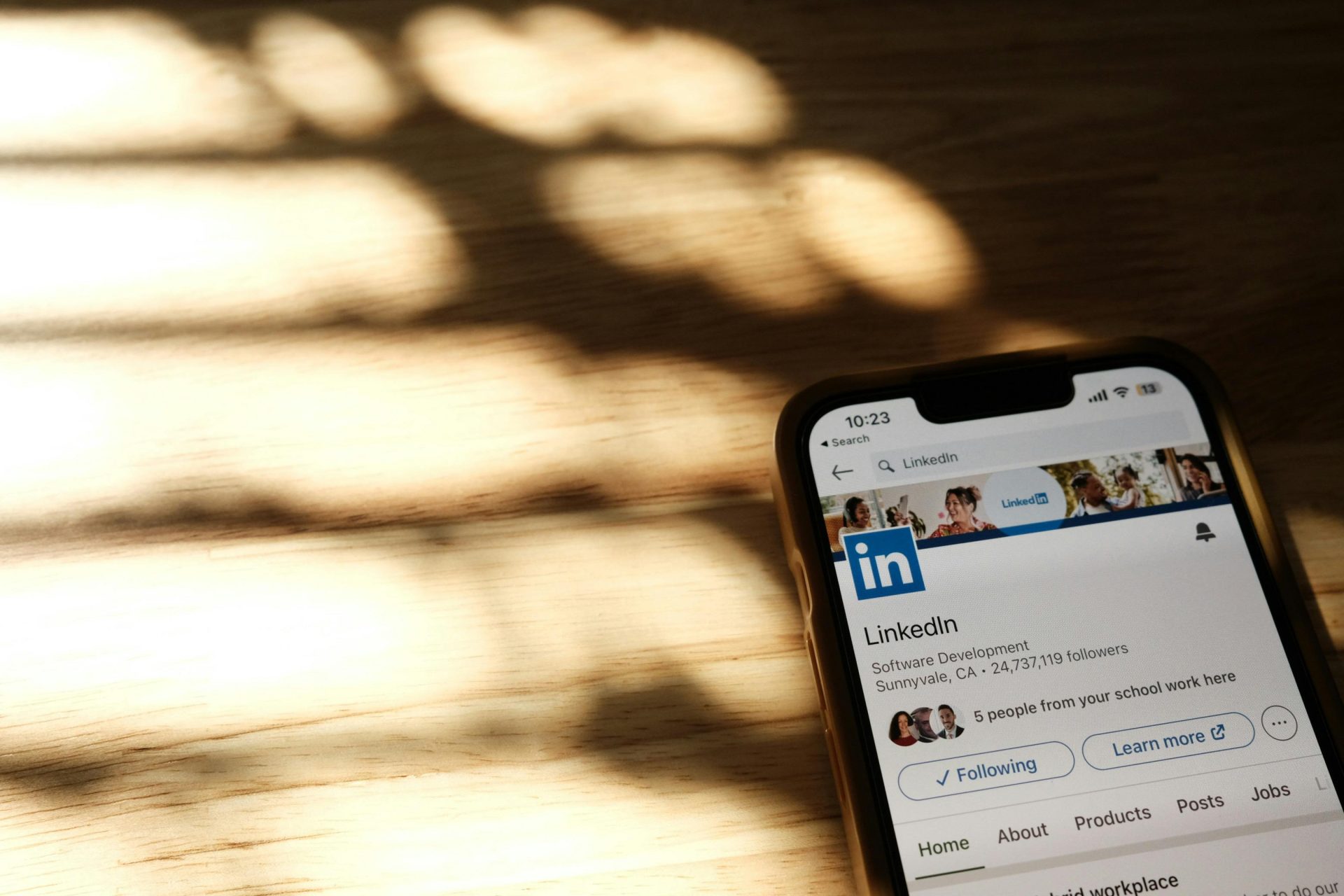
The Rise of the LinkedIn Newsletter: Are Blogs Old News?

Since the early days of digital marketing, company blogs have been trusted tools for brands to share their expertise and connect with audiences, while maintaining control of the narrative. Blogs were a breakthrough in the late 90s and early 2000s, allowing brands to speak directly to engaged audiences. But as social media began to change how people discovered and consumed content, many company website blogs became an echo chamber of regularly published content, with little engagement or interaction.  

Enter LinkedIn Newsletters. The feature offers brands a direct line to their professional networks and a notification-system, as well as analytics to direct content refining efforts. Brands that are truly taking advantage of LinkedIn Newsletters will see the pivotal role they can play in strengthening their brand voice and credibility, while expanding their digital footprints. And while LinkedIn Newsletters are not a fool-proof replacement for traditional website blogs, they could be a great addition to a brand’s digital marketing strategy.  

What’s the hype?  

A well-maintained company blog still holds value, especially when it comes to search engine optimization (SEO). In reality, it’s a different type of content from a LinkedIn Newsletter. Blogs are owned content, whereas a newsletter published on LinkedIn is shared content. While there is some overlap between the two, a brand has less control over how shared content is distributed through LinkedIn’s algorithm beyond the newsletter’s subscribers. With both however, brands control the message they are putting out into the world.   

With a LinkedIn Newsletter, subscribers get a notification when a new edition is published, both in-app and via email if they opt-in to that feature. Because subscribers have to actively opt in, they are more likely to read and interact with the content, much like a traditional blog. Brands will also be prompted to create a LinkedIn post with each new edition, expanding the potential reach of the newsletter beyond subscribers. While similar to LinkedIn’s article feature, newsletters allow brands to cultivate a community of subscribers who will interact with others and share the brands insights.  

Lead with Value  

Before marketing and communications teams rush to transfer their existing, evergreen blog content to LinkedIn, remember that content fatigue can be a considerable deterrent. Audiences want a comfortable cadence of content that delivers clear, useful insights. A LinkedIn Newsletter needs to read less like a company update and more like a resource. That means understanding your audience’s needs, speaking to them directly and offering perspective over promotion. But most importantly, the writing needs to read like it came from the mind of a human:  

  • Repurpose with caution: It is not necessarily beneficial to share all the content a company has posted on their website blog on a LinkedIn Newsletter. A press release announcing a new report, for example, may not offer a brand’s LinkedIn audience much value. But an article about an aspect of the report and expanding on a few key points could be valuable.  
  • Perspective over promotion: LinkedIn newsletters are not the place to be promotional and sell products. While a sales-focused call to action can be an aspect of a LinkedIn article, the key focus should be providing expertise and tangible insight. Brands that stay up to date on what matters to their audiences and challenges they are facing will have a better chance of attracting regular readers.  
  • AI is not a writer: Generative artificial intelligence (AI) tools like Microsoft Co-Pilot or OpenAI’s Chat GPT can help with brainstorming and organizing a writer’s thoughts, but an effective newsletter still requires a content writer who understands the brand’s goals, their audience and the nuances of the subject matter. An effective writer will offer a final product that personifies a brand and showcases it as a resource an audience can trust. AI written content should always be fact-checked and writers should ensure any use of AI does not supersede proper editing and review processes to ensure human tone and accuracy.

Don’t Forget the Metrics  

LinkedIn shares several metrics around newsletters to help brands refine and improve the content they share. From email sends and open rates to article views and engagement numbers, LinkedIn offers a number of in-platform data points to signal what’s working and what’s not. To name a few:  

  • Email sends indicate how many subscribers opted into an email notification of the newsletter.  
  • Email open rate is a percentage of the email sends that were opened by users. 
  • Article views show the number of times users viewed the newsletter.  
  • Engagement rates report the percentage of interactions on a newsletter compared to the impressions.  

With the above data and more that LinkedIn shares, brands can begin testing new strategies for their newsletters like adjusting frequency, sharing new formats or approaching new, timely themes. The beauty of digital content is its flexibility and LinkedIn Newsletters give brands the time and space to experiment. 

Digital content is only as valuable as the connections it offers brands. LinkedIn Newsletters provide a way to build off a brand’s existing audience on the platform, offer real value and cultivate more meaningful connections.  

Hello Procrastinators: A Look at REAL ID Chaos and Communications

Whether it’s evidenced by crowds at retailers on Christmas Eve or the onslaught of extension requests sent to the Internal Revenue Service on April 15 each year, it appears America has its fair share of procrastinators. And the current chaos around the U.S. government’s REAL ID deadline only further proves that is another case in point. While there is no surefire way to win over the most stubborn procrastinators, a thoughtful communications campaign to raise awareness is a good place to start.  

A Real Problem 

The deadline—which had been moved numerous times previously— to obtain a REAL ID is May 7, 2025. The REAL ID initiative stems from a recommendation from the 9/11 Commission to establish more universal standards for identification cards and drivers’ licenses to increase security and reduce fraud. After May 7, the REAL ID will be required for Americans to board commercial aircraft, enter certain federal facilities or enter nuclear power plants. 

While the REAL ID initiative has been in play for 20 years, the “real” deadline seems to have come as a surprise for some. CBS News just reported that for people polled in a set of 30 states, fewer than 70% of residents who meet the requirements have a REAL ID. They also found, in 17 other states, fewer than 50% of the eligible population had obtained a REAL ID. 

With just several days until the deadline, Americans are scrambling, worried they will have difficulty boarding flights while airports are readying their teams for long lines and frustrated travelers. But is all of this confusion and delay due to a lack of communication?  

Communicating REAL ID 

The U.S. Department of Homeland Security seemed to understand the assignment. They knew getting Americans educated about the REAL ID requirement and encouraging them to act might be a heavy lift. They also recognized a good public awareness campaign embracing a flurry of marketing and PR initiatives would be key.  

The department launched its “Be your REAL ID self” campaign in January 2021 with digital toolkits for government agencies and industry partners to share communications and marketing materials on their websites and social media, as well as through direct mail and on-site signage. And while Homeland Security had its own communications initiatives, individual states went out to try to stave off delays and discord as the deadline neared. For example, last June, Oregon’s Department of Transportation posted it was in search of a firm to launch an advertising and marketing campaign with a $500k budget to help raise awareness ahead of the transition.   

As to public relations specifically, when I asked ChatGPT how many news articles had been written about REAL ID, it said, “​While there isn’t a precise count of all news articles written about REAL ID, it’s clear that the topic has garnered extensive media coverage since the REAL ID Act was enacted in 2005.” Coverage was found in NPR, The Washington Post, CBS News, ABC News, The Associated Press and more. With significant media coverage and a multi-faceted marketing campaign, the public likely knew about the REAL ID deadline; If they failed to act on the information or are simply procrastinating, perhaps that is on them.  

Regardless of whether you see the REAL ID roll out as a communications success or failure, it’s important to understand the elements of a good public awareness campaign.  

  • Understand your goal and your audience: The shifting of deadlines in years past likely complicated the government’s efforts to achieve the goal of getting Americans to meet the May 7th deadline. A good campaign will have a clear achievable goal to raise awareness, draw people to a website, attract sales, etc. 
  • Encourage idea sharing between PR and marketing: In a complex campaign like this, the marketing and PR teams were likely talking to one another. Too often, the teams are expected to work in a vacuum. This can lead to missed opportunities, doubled efforts and conflict. 
  • Develop clear and consistent messaging: Clear consistent messaging is critical because no matter how often someone hears a message, procrastinators will delay. The message should be clear – in this case, explaining what needs to be done, why and when. 
  • Conduct proactive, persistent and regular outreach: A PR team should be regularly talking to media on your behalf. Reporters tend to stay away from promotional material, but any time you can tie your initiatives to a timely event or trend, you are more likely to gain a reporter’s attention. 
  • Leverage social media: Along the lines of the value of repeated messaging above, be sure to leverage social media. Share updates and links to news coverage, consider surveys and more to build engagement. 
  • Engage ambassadors: The REAL ID team wisely tried to tap into industry partners and government offices for support. Trusted members of the community or people with whom your audience is in regular contact can be valuable resources in sharing your key messages and getting audiences to act. 

Despite delays and extensions in recent years, it seems the May 7th deadline for the REAL ID may be … real. While considerable efforts were made to ensure the public was ready, many remain unprepared for the transition. Those who are prepared likely acted on some part of the communication campaign. Those who have not likely heard the call but chose to put it off until tomorrow.