Lifting the Veil: Parallels Between Building a PR Strategy and Planning a Wedding

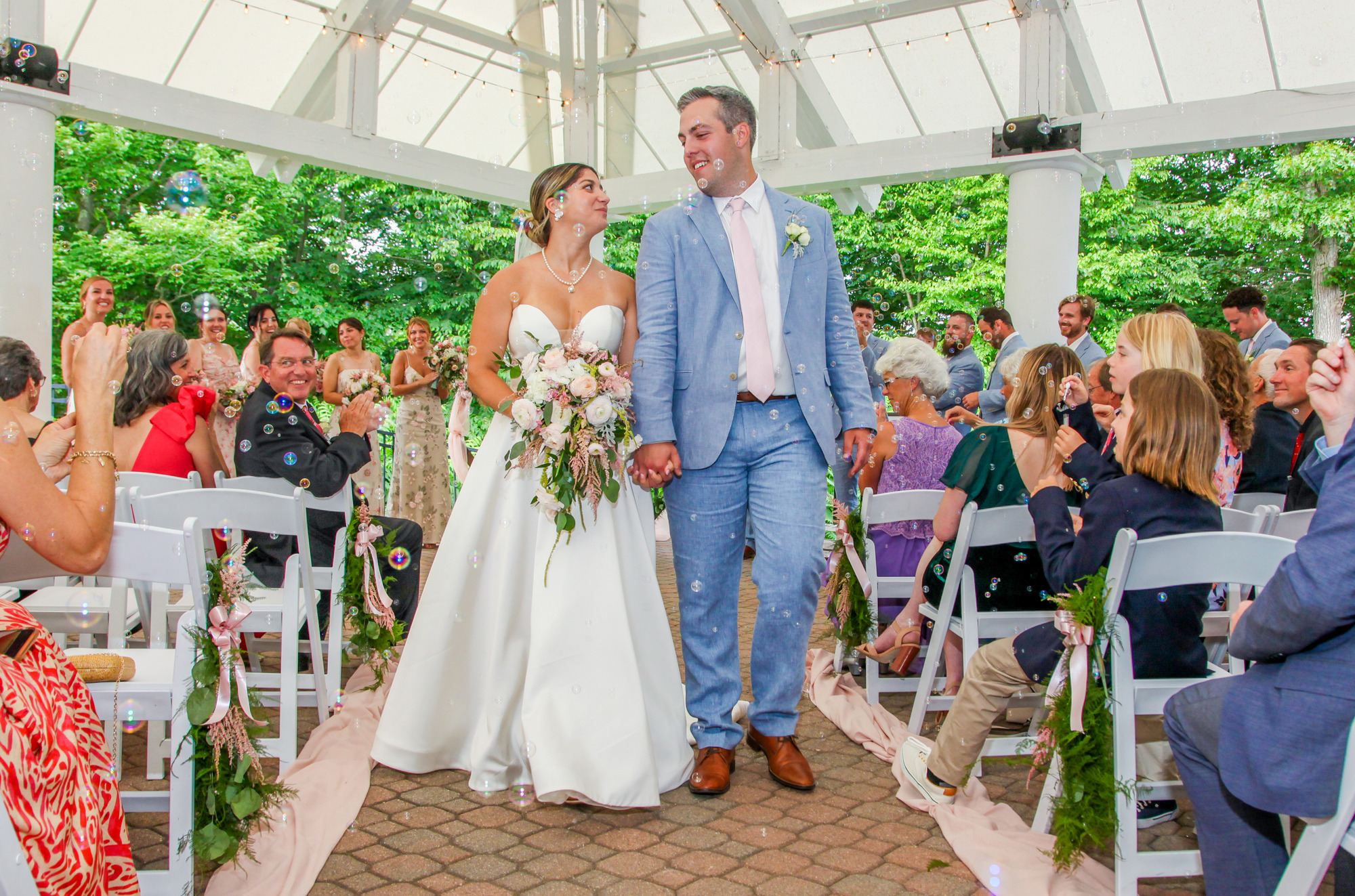
Many say that planning a wedding is akin to having a full-time job. This is a reality I learned planning my own wedding. I got married this past July.

As I was wrapping up work in preparation for the wedding, I was struck by the similarities between planning a wedding and preparing a public relations strategy. While one focuses on florals and outfit coordination and the other on messaging tactics, media placements and KPIs, both are tied to reality by timelines, budgets, audience expectations and the seasoned professionals who know the marketplace.

Defining Your Happily Ever After

When planning any program, strategy or event, it is important to have a vision of what your end outcome will be. For example, most marriers aim to have a beautiful wedding, where all guests enjoy themselves and the couple has a long and harmonious happily ever after.

To position their wedding for success, couples often identify a theme. Some aspire to have a grand, black-tie gala while others want a more laid back, yet festive beach affair. Personally, I planned for a casual, yet sophisticated garden party.

When launching a public relations campaign, the strategy can be similar. Consider what your business ultimately wants to gain from this strategy. Similar to the couple-to-be’s goal of happy guests, your goal may be to have a roster of eager prospects. Or you may be looking to bring more awareness to your company, introduce a new product or line of business or change the way your organization’s reputation is perceived. Each goal requires a different approach, making it important to select and focus on one before the work begins.

Engaging the Right Partners

Once your vision has been clearly defined and you have a better understanding of what is needed to accomplish your goal, look for the tools and resources that will help you succeed.

In the wedding world, little can be accomplished without the support of key specialists. The venue, caterer, photographer, florist and DJ will all come together to create your vision of the perfect day.

Putting together and successfully implementing a public relations strategy does not and should not have to be a one-person job. Consider seeking out a partner with expertise to meet your needs. Just as the wedding vendors can connect you with recommended business partners who they know and trust, PR professionals can connect you with media that will reach your target audience. In the case of my wedding, my vendors all came highly recommended by my venue, meaning they knew exactly what equipment to come prepared with and had worked together before, helping the day go off without a hitch.

There are a multitude of resources to help accomplish your public relations goals. A full-service public relations agency can help you throughout the entire process, from defining your goals and audience to setting tactics, implementing a plan and measuring success.

Additionally, the right partners will be flexible. A good wedding vendor will do what they can to meet your changing needs. For instance, my photographer’s original quote was out of budget, but they worked with us and added in the extra benefit of an engagement shoot for free. Similarly, when my venue told me the ice cream truck I had my heart set on was unavailable, they were able to lean into their relationships to source a different one.

Similarly, a good media team will also know how to pivot to best meet your needs. They will recognize when a change in approach or messaging is needed to adjust to breaking news or current trends.

Catering to Your Audience

While a wedding is ultimately put together to celebrate the couple, it is important to take the rest of the guests into consideration. Certain accommodations are arranged with guests in mind, such as transportation, lodging and the menu. For instance, my guests who were vegetarian or vegan were provided with separate meals.

Similarly, your PR strategy must cater to your audience. Just like a steak dinner won’t work for a mostly vegan guest list, a trendy influencer partnership on TikTok is unlikely to help an insurance organization meet their goal of reaching more brokers and agents. When building a public relations strategy, it is critical to identify your audience and understand what they are reading and viewing.

Taking an audience-first approach will help ensure the vision you are trying to achieve will have the intended effect on the right people whether it’s a ballroom full of happy, stuffed, dancing wedding guests or a list of prospective clients now interested in inquiring about your products and services.

While seemingly worlds apart, wedding and public relations planning share similarities. Building a rock-solid foundation with a clear vision, the right partners and an audience-first approach will make ironing out the details, whether they be dress fittings and menu selections or pitching and coordinating media interviews more successful in the long run.


Q&A with Will Jones, Editor-in-Chief of Independent Agent Magazine

About Will Jones: Will graduated from Coventry University with a bachelor’s degree in english and journalism in 2010. Before joining the Independent Agent Magazine team in 2017, he gained exposure to the insurance industry while working for an insurance brokerage based in Portland, Oregon, where he currently lives with his wife, two children and border collie.

What motivated you to enter trade media, specifically covering the insurance industry?

Ever since I had my first byline published when I was 15 years old in a soccer fanzine called The Gooner, I wanted to be a writer. Writing about soccer was my first choice of subject matter with everything else second. Ultimately, having a niche, no matter what it is, motivated me to enter insurance and remain here.

What do you enjoy most about covering the insurance space?

There is a lot to love about covering insurance. First of all, everybody needs it, so everyone can relate in some way. Second, it’s considered an unattractive industry to be a part of, but I love owning that and trying to change people’s minds. And now, the longer I’ve been covering the insurance industry, the more I understand and the more I enjoy it.

What are you most proud from your career as a journalist?

In all honesty, being paid to write is an accomplishment in itself. I went to university and got a bachelor’s in “English and Journalistic Studies.” However, graduating in 2010 meant that employment, nevertheless paid writing work, was hard to find. I did a lot of online internships, set up blogs, traveled and was paid pennies per word for freelance work before finding my way here. I don’t think I got paid to write until I was 24 and didn’t get full-time writing work until I was 28. I nearly gave up on multiple occasions. There was a lot of rejection.

What would you say was your biggest challenge in covering the insurance space?

From an industry perspective, there is a lot of technical information to interpret. I am not an expert, but my work is read by experts. That is always a challenge. Also, we face many of the same challenges other publications face, such as finding the balance between print and digital publishing, walking the line between advertorial and editorial content and maintaining relationships with sources. Also, given some of the bad news announced by many major companies recently, making sure our coverage is fair, objective and equal is another challenge.

What would you say is the best story you’ve broken over your years in the industry?

As a magazine, we don’t typically “break stories.” However, instead, our success relies on getting ahead of trends and making predictions so when we’re writing a story six weeks before publication, the information is still relevant at the time of publication.

What advice would you give to a reporter just starting out in covering the insurance industry?

The insurance industry is full of very welcoming people, so I have been very fortunate to meet and work with people that are open to spending time with me to help me learn. If you can approach the industry humbly and start building relationships that expand your contact list, you’ll be able to move forward much quicker. The more people you know, the easier it gets. That won’t happen immediately but by reaching out to people, setting up introductory calls and subscribing to the trade e-newsletters, you’ll start to figure it out.

Can you share some of the top industry trends you’re looking out for over the next five to 10 years?

Currently, the hard market is set to dominate the industry for the foreseeable future. However, what the market looks like when we get to the end of it is a different matter. A lot of people are assuming  this hard market is going to be like other hard markets where it returns to normal once the cycle is over. I find that hard to believe. Technology adoption, CAT events, inflation, post-pandemic impacts, political instability, the list goes on. I don’t think this is just going to come out in the wash.

Can you tell us about a hobby/passion you have outside of work that helps you unwind and recharge?

As a father of a 2-year-old and 5-year-old, “unwind” and “recharge” don’t really come into my vocabulary. But when I do get a day to myself, watching soccer is what I’d do first. I am also a runner and have recently moved from road running to trail running. Living in Oregon provides lots of great opportunities for that.

About the magazine: Independent Agent magazine is the authoritative source of information for professionals who sell insurance for independent agencies. Independent Agent primarily serves property-casualty independent insurance agents and brokers and is a benefit of membership of the Independent Insurance Agents & Brokers of America.

Barbie in Crisis: Lessons in Crisis Communications from the BarbieVerse

Anticipated to remain the top-grossing movie of 2023, Barbie has made its mark in the minds of people everywhere. Praised for its uplifting, realistic message told through a fantasy medium, the Barbie brand has once again proven its power over pop culture. As she manages a multitude of relatable crises throughout the film, there is plenty we can all learn from her approach and experiences.

Let’s take a look at two Barbie crises and what parallels may be drawn to how a company should best handle a crisis situation of its own.

Crisis #1: Barbie encounters challenges when she steps away from what she knows

The BarbieVerse is a world of extremes full of bright, fun and energetic elements that add to the appeal. However, as we learn in the movie, living in extremes is unsustainable and at times, exhausting. When Barbie leaves home to step foot in the real world, she finds it difficult to adjust and manage what the real world throws at her.

The same can happen in the business world when faced with a crisis. Remember BP CEO Tony Hayward after the 2010 tragic oil spill in the Gulf of Mexico? He too found it difficult to adjust when the real world came bearing down on him. Instead of moving forward with a thoughtful approach considering those around him, he became infamous for memorable, ill-conceived comments like “you know, I’d like my life back” and “It’s a very big ocean.”

Perspective and strategy are key when presented with a crisis. While business owners are not sitting in Barbie’s Malibu Dreamhouse, then forced into the real world when something goes wrong, such a scenario might not be far off. When crisis hits, remember to maintain perspective, assess the situation and develop a thoughtful plan. Think about how your company’s news will be received by the public and keep a level head.

Crisis #2:  Barbie loses her dreamhouse and her problems compound

Throughout the film, Barbie is challenged to overcome emotions and scenarios that have never existed in her world. From taking back her dreamhouse to taking on the real-world Barbie executives, she is tasked with managing crises that seemingly continue to build on each other.

Unfortunately, if a business owner fails to address a crisis at its start, it can fester and grow into an even bigger problem. Consider Will Smith’s Oscar slap. When Actor Will Smith slapped Comedian Chris Rock at the 2022 Academy Awards, it may have been wiser from a PR perspective for Smith and his team to take a step back and assess. They might have then opted to remove a clearly heated Smith from the situation and develop a carefully thought-out plan for developing positive messaging related to the incident. Instead, Smith went on with his evening. Some even say he appeared defensive in the comments he made while receiving the Oscar.

Again, business leaders in a crisis should take the time to assess their situation, consult with experts and ensure they consider the possible repercussions of their actions and how they might contribute to the greater solution or problem.

Crisis Take Aways

A summer blockbuster with a happy ending, Barbie ultimately found a way to manage her crises and move forward. Business leaders who want to ensure their company is prepared for a crisis should consider partnering with a public relations team that specializes in crisis communications. A good PR partner will encourage your business leaders to abide by these best practices in the event of a crisis:

  • Assess the situation
  • Make a short-term plan
  • Identify a crisis response team and clearly define each member’s roles
  • Create or implement media and social media crisis response protocols
  • Consider your audiences in your messaging
  • Tell the truth

The Barbie phenomenon has taken over our social media feeds. It is no secret that weaved into the layers of satire presented in the film, there are a world of lessons we can all learn from Barbie. While you might not be thinking “what would Barbie do?” when considering your company’s crisis communications plan, it may be time to consider a new perspective.